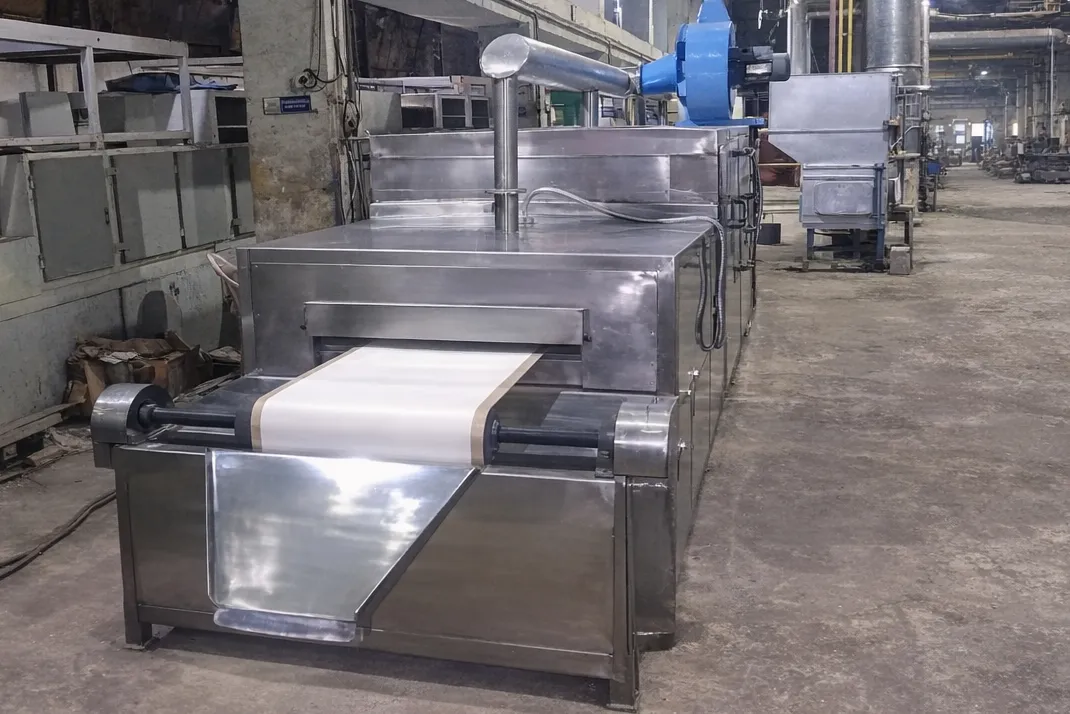

Industrial drying is really not the same for every material. Each material is different when you take the moisture out so you have to pick the drying technology based on what the material is like how much moisture it has how much you need to make and what quality you want at the end. A drying system that works well for food may not work for chemicals, pharmaceuticals, minerals or biomass. If you choose the equipment industrial drying can be more efficient the products will be better and it will cost less to operate.
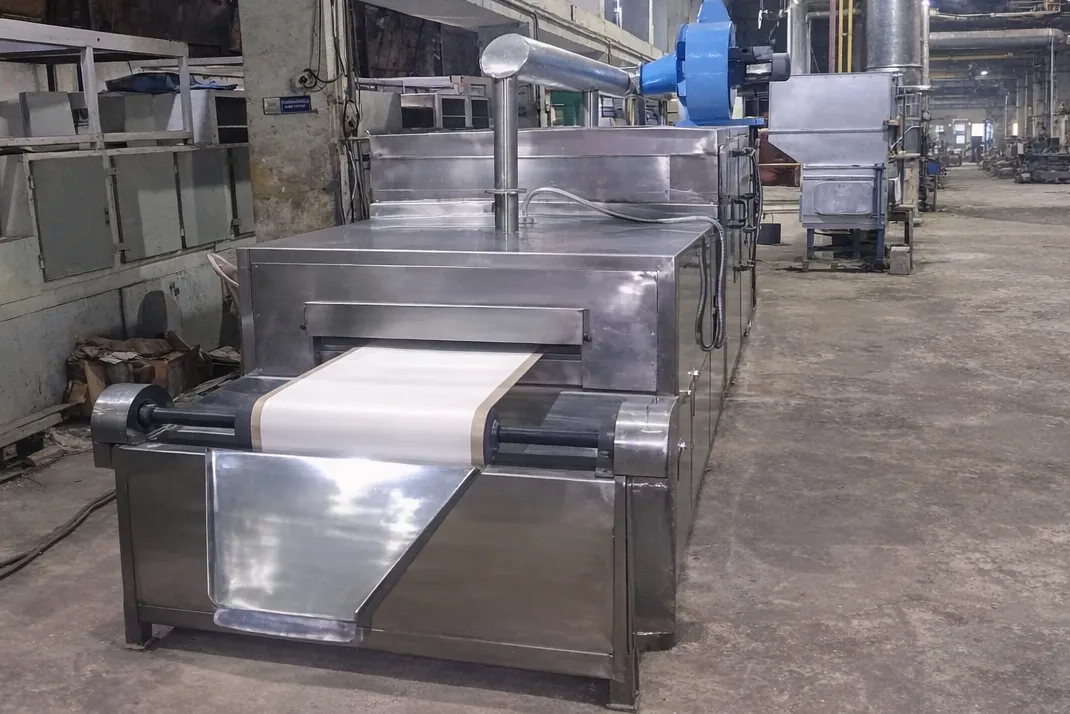
Why Different Materials Need Different Drying Systems
Materials are all different they come in sizes they are heavy or light some can get too hot they have different amounts of moisture and they need to be processed in different ways. Some products need to be dried at a temperature so they do not get messed up and they still have nutrients. Industrial drying for products needs to be at a high temperature all the time so you can make a lot. If you use the way to dry the moisture will not come out evenly the products will get bad it will use too much energy or it will not make as much as you want.
Modern drying systems are made to control the temperature the air that is moving how long it takes and how much moisture is removed so it always works the same no matter what you are using it for and that is really good, for industrial drying.
Industry-Specific Drying Applications
Food Processing
Food manufacturers require drying systems that preserve color, flavor, texture, and nutritional value while extending product shelf life. Fruits, vegetables, spices, dairy products, grains, and ready-to-eat foods all require carefully controlled drying conditions to maintain product quality.
Pharmaceutical Industry
Pharmaceutical products demand highly controlled drying environments to maintain ingredient stability, potency, and purity. Accurate temperature and moisture control are essential for processing APIs, granules, herbal extracts, and nutraceutical products.
Chemical Processing
Chemical manufacturers process powders, pigments, catalysts, polymers, and specialty chemicals that often require precise drying conditions. Proper drying improves product consistency while minimizing contamination and maintaining chemical properties.
Minerals and Industrial Materials
Industries processing sand, gypsum, clay, ores, and other minerals require heavy-duty drying systems capable of handling abrasive materials with high production capacities while achieving consistent moisture reduction.
Biomass and Renewable Energy
Biomass materials such as wood chips, agricultural residues, pellets, and organic waste contain significant moisture that must be reduced before further processing. Efficient drying improves fuel quality, storage stability, and overall process efficiency.
Agriculture
Seeds, grains, fertilizers, animal feed, and other agricultural products require controlled drying to improve storage life, maintain quality, and reduce spoilage during transportation and handling.
Selecting the Right Drying Technology
Choosing an industrial dryer involves evaluating several important factors:
- Material characteristics
- Initial and final moisture content
- Production capacity
- Batch or continuous operation
- Product quality requirements
- Energy efficiency goals
- Available installation space
- Automation and process control requirements
Proper evaluation ensures the selected drying technology delivers reliable performance while minimizing operating costs.
Benefits of Customized Drying Solutions
Rather than relying on standard equipment, customized drying systems are engineered around specific production requirements. This approach provides several advantages:
- Faster and more uniform drying
- Improved product consistency
- Reduced energy consumption
- Higher production efficiency
- Lower maintenance requirements
- Better process control
- Reliable long-term operation
Customized engineering also allows drying systems to integrate seamlessly with existing production lines and future capacity expansions.
Engineering Support Beyond Equipment
Successful drying projects involve more than equipment manufacturing. Proper application analysis, system design, installation, commissioning, operator training, and ongoing technical support all contribute to long-term performance. Working with an experienced engineering partner helps manufacturers optimize drying efficiency while minimizing downtime and operating costs.
Conclusion
Every manufacturing process has unique drying requirements, making technology selection a critical decision. By evaluating material properties, production goals, and operational requirements, manufacturers can implement drying systems that deliver consistent moisture removal, improved product quality, lower energy consumption, and dependable long-term performance. Application-specific engineering ensures each drying solution is designed to maximize productivity while meeting the quality standards of industries ranging from food and pharmaceuticals to chemicals, minerals, agriculture, and renewable energy.

























Sign in to leave a comment.