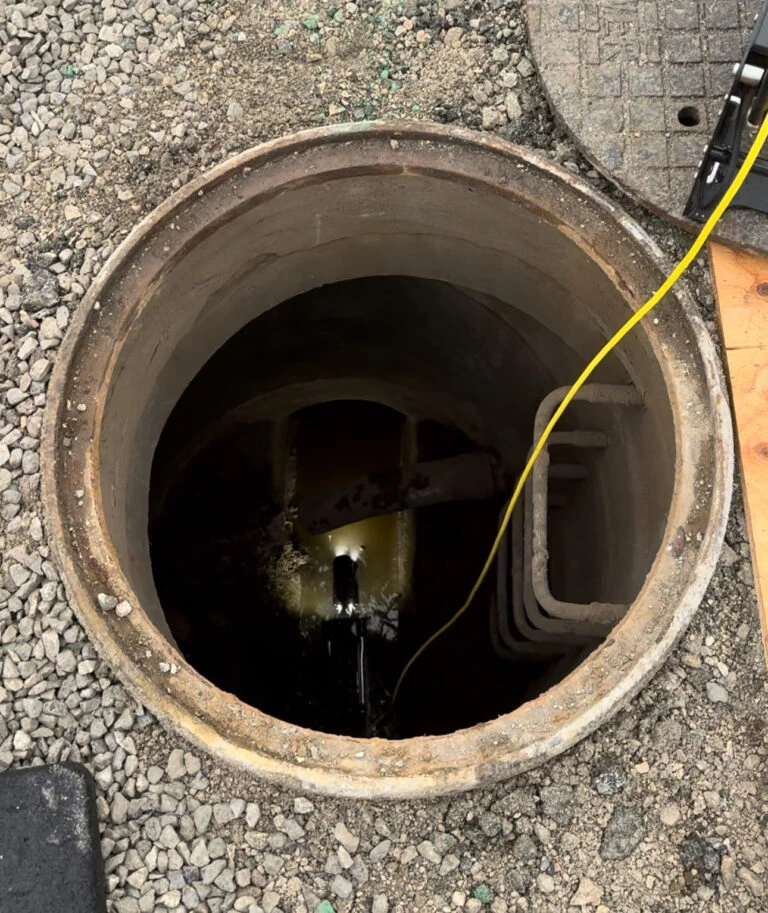
Underwater construction is a critical component of marine infrastructure development, enabling the creation, maintenance, and repair of structures beneath the water’s surface. Companies like Ven-Tech Subsea specialize in providing comprehensive marine construction services, combining expert commercial diving teams with cutting-edge technology to execute complex projects safely and efficiently. From industrial installations to municipal underwater repairs, the demand for precise and reliable underwater construction has never been higher.
Traditional vs. Modern Underwater Construction Methods
Historically, underwater construction relied heavily on manual labor and basic tools. Early techniques included cofferdams, caissons, and dredging to create dry workspaces or remove sediment for construction. While these methods were effective for simpler projects, they were often time-consuming, costly, and posed significant safety risks to divers.
Modern underwater construction techniques have revolutionized this field. Today, engineers and marine construction teams utilize advanced equipment such as remotely operated vehicles (ROVs), hydraulic cutting tools, and specialized underwater welding systems. These innovations allow for precise work at greater depths, reducing project timelines and minimizing risks to personnel. Integrating modern technology with skilled divers ensures that even the most challenging projects, such as pier installations, pipeline repairs, or bridge foundations, can be executed with a high degree of accuracy.
Use of Commercial Divers in Subsea Projects
Commercial divers play an indispensable role in marine construction services. Their expertise enables them to perform tasks that require both physical dexterity and specialized knowledge. Tasks often include underwater welding, cutting, inspection, and repair of critical infrastructure. Unlike recreational divers, commercial divers undergo rigorous training and certification to operate safely in challenging subsea environments.
In addition to performing hands-on work, commercial divers provide real-time feedback to engineers and project managers. This collaboration ensures that construction plans can adapt to underwater conditions such as currents, visibility, and substrate composition. At Ven-Tech Subsea, highly trained divers combine their skills with modern underwater tools to carry out projects ranging from industrial pipeline maintenance to municipal waterfront repairs, demonstrating the essential value of human expertise in conjunction with technology.
Role of Advanced Subsea Technology in Construction
The evolution of subsea technology has dramatically expanded the possibilities of underwater construction techniques. Remotely operated vehicles (ROVs) allow for inspection and manipulation of underwater structures in areas that are too deep or hazardous for divers. These vehicles are equipped with cameras, sonar, and robotic arms, enabling precise execution of tasks such as cutting, welding, or lifting heavy materials.
In addition, advanced monitoring systems and 3D mapping technology enhance project planning and execution. By creating detailed representations of the underwater environment, engineers can identify potential obstacles and assess structural integrity before physical intervention. The combination of advanced technology with skilled commercial divers ensures that marine construction services are delivered with superior precision, efficiency, and safety.
Furthermore, subsea tools such as hydraulic drills, cutting torches, and underwater concrete pumps have transformed the way complex projects are managed. These tools allow for operations that once required extensive manual labor to now be executed efficiently, reducing the risk of accidents and minimizing environmental impact. The integration of technology with professional diving expertise enables companies like Ven-Tech Subsea to meet the highest standards of quality and reliability.
Safety Protocols in Underwater Construction
Safety is paramount in any underwater project. Working beneath the surface involves inherent risks, including strong currents, limited visibility, and the potential for equipment failure. Comprehensive safety protocols are essential for protecting divers and ensuring the success of marine construction services.
Effective safety measures include pre-dive planning, risk assessment, continuous monitoring, and emergency preparedness. Dive teams at Ven-Tech Subsea undergo extensive training in rescue procedures, decompression protocols, and hazard recognition. Regular equipment inspections and redundant safety systems further reduce the likelihood of accidents. By maintaining a culture of safety, underwater construction teams can focus on precise execution while minimizing the human and environmental risks associated with subsea work.
In addition to diver safety, environmental protection is a critical component of modern underwater construction. Measures such as sediment control, noise reduction, and careful handling of construction materials help preserve aquatic ecosystems while maintaining project efficiency. Adhering to strict regulatory compliance ensures that projects not only meet client expectations but also support long-term sustainability.
Conclusion
Modern underwater construction techniques have transformed the way marine projects are planned and executed. The integration of skilled commercial divers with advanced subsea technology has increased the efficiency, accuracy, and safety of marine construction services. Companies like Ven-Tech Subsea leverage these innovations to deliver reliable solutions for industrial, municipal, and marine clients. By embracing modern methods, prioritizing safety, and utilizing cutting-edge tools, the field of underwater construction continues to evolve, ensuring the preservation and enhancement of critical underwater infrastructure for years to come.




















Sign in to leave a comment.