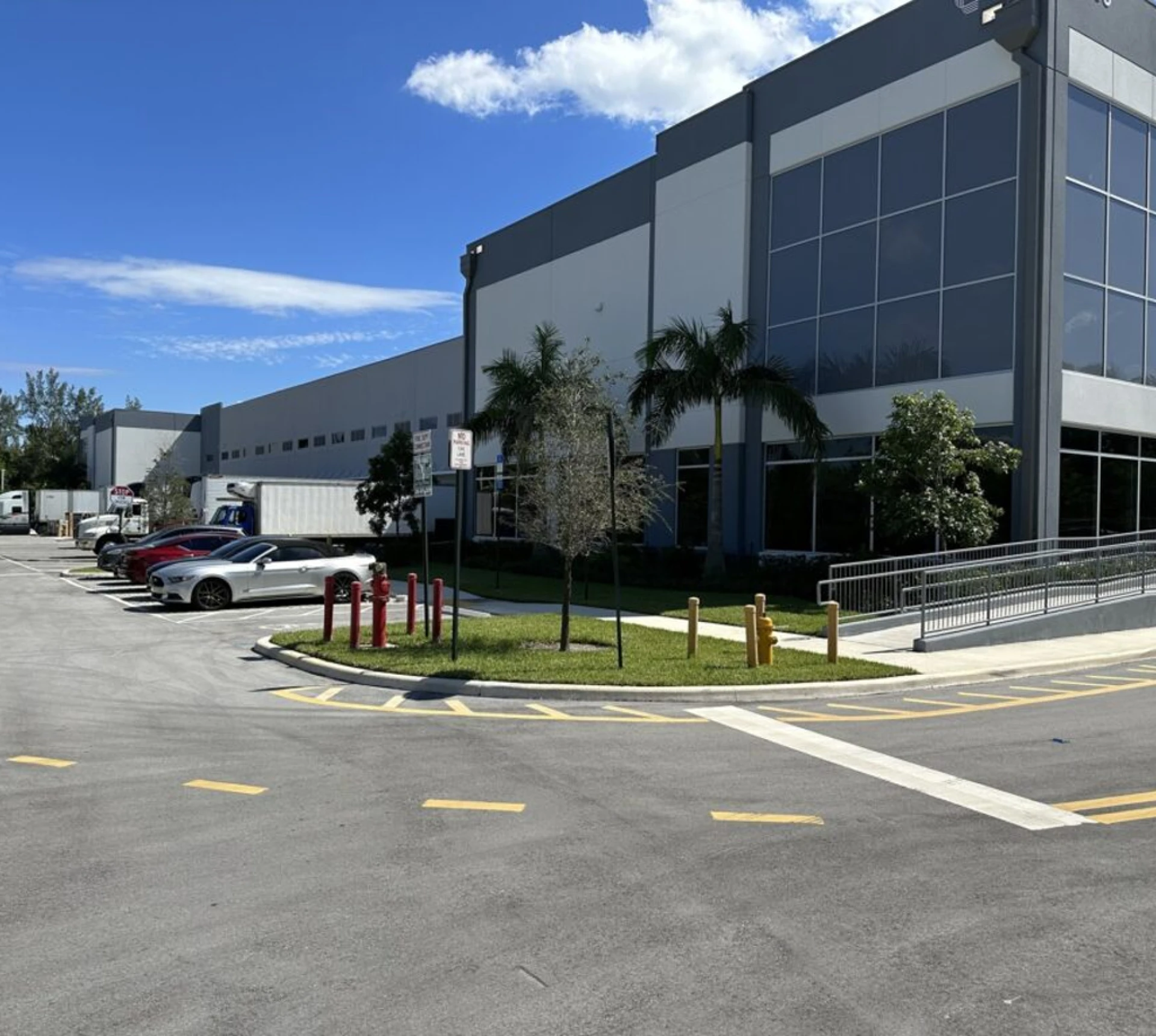
The modern third‑party logistics (3PL) warehouse is a bustling, data‑driven ecosystem where physical motion and digital intelligence intersect to turn raw inventory into fulfilled orders with razor‑thin margins and lightning‑fast speed. Unlike a traditional in‑house storage facility, a 3PL is designed from the ground up to serve multiple clients, each with distinct product mixes, order volumes, and service level expectations. This multi‑tenant approach forces the warehouse to adopt highly standardized yet flexible processes, invest in cutting‑edge technology, and continuously refine its operational playbook. The result is a finely tuned operation that can scale up or down in seconds, adapt to seasonal spikes, and unlock cost efficiencies that would be impossible for a single brand to achieve on its own.
Core Operations: From Dock to Doorstep
At the heart of any 3PL warehouse lies a sequence of interlocking activities that transform inbound freight into outbound shipments. The journey begins at the receiving dock, where truckloads are unloaded onto conveyor belts or lift trucks, scanned, and cross‑referenced against advanced wave‑planning systems. Quality control checkpoints verify SKU accuracy, count, and condition, while any discrepancies trigger an instant exception workflow that alerts both the warehouse manager and the client’s supply‑chain team.
Once verified, inventory is assigned a location through a warehouse management system (WMS) that optimizes space utilization based on product dimensions, turnover rate, and any special handling requirements (e.g., temperature control, hazardous material compliance). The WMS dynamically creates “slotting” recommendations that shift items to high‑velocity zones as demand patterns evolve, ensuring that the most frequently picked SKUs sit within arm’s reach of pickers.
The picking process itself is a choreography of people, machines, and software. Depending on order complexity, a 3PL may employ discrete pick (one picker per order), batch pick (multiple orders from a single pick path), or zone pick (pickers confined to a specific area). Modern warehouses increasingly augment human pickers with voice‑directed picking, augmented‑reality glasses, or pick‑by‑light stations, dramatically reducing error rates and improving throughput. After items are gathered, they flow to a central packing station where automated dimensioning machines calculate the optimal box size, while packaging software selects the right combination of cushioning, branding, and carrier service based on cost and delivery guarantees.
From the moment an order is sealed, the shipping module takes over. Integrated carrier management tools compare rates across dozens of shipping providers, automatically select the cheapest service that meets the client’s promised delivery window, and generate electronic shipping labels. Real‑time track‑and‑trace data is then pushed back to the client’s order‑management system, giving end‑customers visibility into their parcel’s journey. Finally, a reverse‑logistics lane handles returns, inspecting, refurbishing, or restocking items according to pre‑defined disposition rules that safeguard inventory accuracy and minimize waste.
Technology Backbone: The Digital Nervous System
A 3PL warehouse would quickly devolve into chaos without a robust technology stack, and today’s facilities are nothing short of high‑tech command centers. The WMS serves as the central nervous system, orchestrating every transaction from receipt to shipment while maintaining a single source of truth for inventory levels. Cloud‑based WMS platforms enable instant scalability, multi‑site visibility, and seamless integration with enterprise resource planning (ERP), e‑commerce platforms, and transportation management systems (TMS).
Automation has moved beyond simple conveyor loops to sophisticated robotic solutions. Goods‑to‑person (G2P) robots retrieve trays of SKUs and present them to stationary operators, dramatically reducing travel time and ergonomics‑related injuries. For high‑volume, low‑complexity items, short‑range autonomous mobile robots (AMRs) shuttle pallets between storage aisles and packing stations, operating 24/7 with minimal human supervision. In ultra‑fast fulfillment environments, robotic sortation systems can handle thousands of parcels per hour, automatically directing each to the correct dock door for carrier loading.
The Internet of Things (IoT) adds another layer of intelligence. Sensors embedded in shelving units monitor weight, temperature, and humidity in real time, providing early warnings of potential spoilage or over‑stocking. RFID tags enable instant location reads, cutting down on manual cycle counts and ensuring that inventory data stays accurate even during high‑velocity picks. Meanwhile, edge‑computing devices process this sensor data locally, feeding actionable insights to the WMS without introducing latency.
Artificial intelligence (AI) and machine learning (ML) are increasingly embedded in decision‑making engines. Predictive analytics forecast demand spikes based on historical sales, promotional calendars, and external signals such as weather or macro‑economic trends. These forecasts inform dynamic slotting, labor scheduling, and capacity planning, ensuring that the warehouse has the right number of pickers, robots, and dock doors ready when needed. AI‑driven routing algorithms continuously optimise carrier selection, balancing cost, service level, and carbon footprint. In the reverse‑logistics arena, computer‑vision models automatically categorize returned items, routing them to inspection, refurbishment, or disposal streams with minimal human input.
Data is the new currency in a 3PL setting. Every touchpoint—barcode scan, robot movement, carrier status update—generates a data point that is stored in a centralized data lake. Business intelligence dashboards let warehouse managers drill down from high‑level KPIs such as order‑lead time and dock‑to‑stock velocity to granular metrics like picker per‑hour efficiency or robot downtime. This transparency fuels a culture of continuous improvement, where lean initiatives such as Six Sigma or Kaizen are backed by hard numbers rather than intuition.
Strategic Advantages: Why Brands Turn to 3PLs
The most compelling reason companies outsource to a 3PL warehouse is cost efficiency. By consolidating inventory across multiple clients, a 3PL can achieve economies of scale that lower per‑unit storage, handling, and transportation expenses. Shared labor pools mean that seasonal peaks are absorbed without the need for each brand to hire and train temporary workers, reducing both payroll overhead and the risk of performance variability. Automation further drives down labor intensity, translating into predictable cost structures that are often billed on a per‑order or per‑pallet basis.
Scalability is another decisive advantage. A brand launching a new product line or entering a new market can instantly tap into the 3PL’s existing network of fulfillment centers, eliminating the need for costly real‑estate acquisition, permitting, and build‑out. When demand surges—think Black Friday, a viral social‑media moment, or a sudden supply‑chain disruption—the 3PL can re‑route inventory, add overtime shifts, or spin up additional robotic capacity within days, keeping service levels intact. Conversely, when sales contract, the same flexibility allows the brand to downsize its footprint without incurring long‑term lease penalties.
Expertise and compliance are intangible yet critical benefits. 3PL operators employ dedicated teams of logistics engineers, safety specialists, and customs brokers who stay abreast of ever‑changing regulations—from hazardous‑materials handling to international trade compliance. This depth of knowledge reduces the risk of costly fines, shipment delays, or product damage. Moreover, many 3PLs hold certifications such as ISO 9001, ISO 14001, or BRC, providing assurance that processes meet rigorous quality and environmental standards.
Network reach amplifies brand visibility and customer satisfaction. A global 3PL typically operates a hub‑and‑spoke model with strategically placed distribution centers, enabling faster last‑mile delivery and lower carbon emissions. Integration with multiple carriers, including regional couriers and emerging “last‑mile” platforms like crowd‑sourced bike or drone delivery services, gives brands the agility to promise same‑day or next‑day shipping in markets where they previously could not. Real‑time visibility tools also empower end‑customers to track parcels, reducing support calls and improving net promoter scores.
Finally, a 3PL acts as a catalyst for innovation. Because the warehouse is a shared resource, technology investments—whether a new AI‑driven demand‑forecasting engine or a fleet of collaborative robots—are amortized across several clients, making cutting‑edge capabilities financially accessible to smaller brands. The collaboration model also encourages joint problem‑solving; a retailer might work with the 3PL’s data scientists to refine packaging algorithms that lower shipping costs, while the 3PL gains valuable case studies to refine its own service offerings.
Conclusion: A Symbiotic Engine of Efficiency
Inside a 3PL warehouse Miami, the convergence of disciplined operations, sophisticated technology, and strategic flexibility creates a symbiotic engine that transforms raw inventory into delighted customers. The receiving dock, storage aisles, picking stations, and shipping docks are no longer isolated silos but interconnected nodes orchestrated by a cloud‑based WMS, amplified by robots, illuminated by IoT sensors, and continuously optimized by AI. This digital‑physical harmony enables 3PLs to deliver lower costs, rapid scalability, regulatory compliance, and omnichannel reach—advantages that are increasingly essential in today’s hyper‑competitive, on‑demand economy. For brands seeking to focus on product innovation and market growth, partnering with a modern 3PL is less a cost center and more a strategic lever, turning logistics from a necessary chore into a source of competitive advantage.






















Sign in to leave a comment.