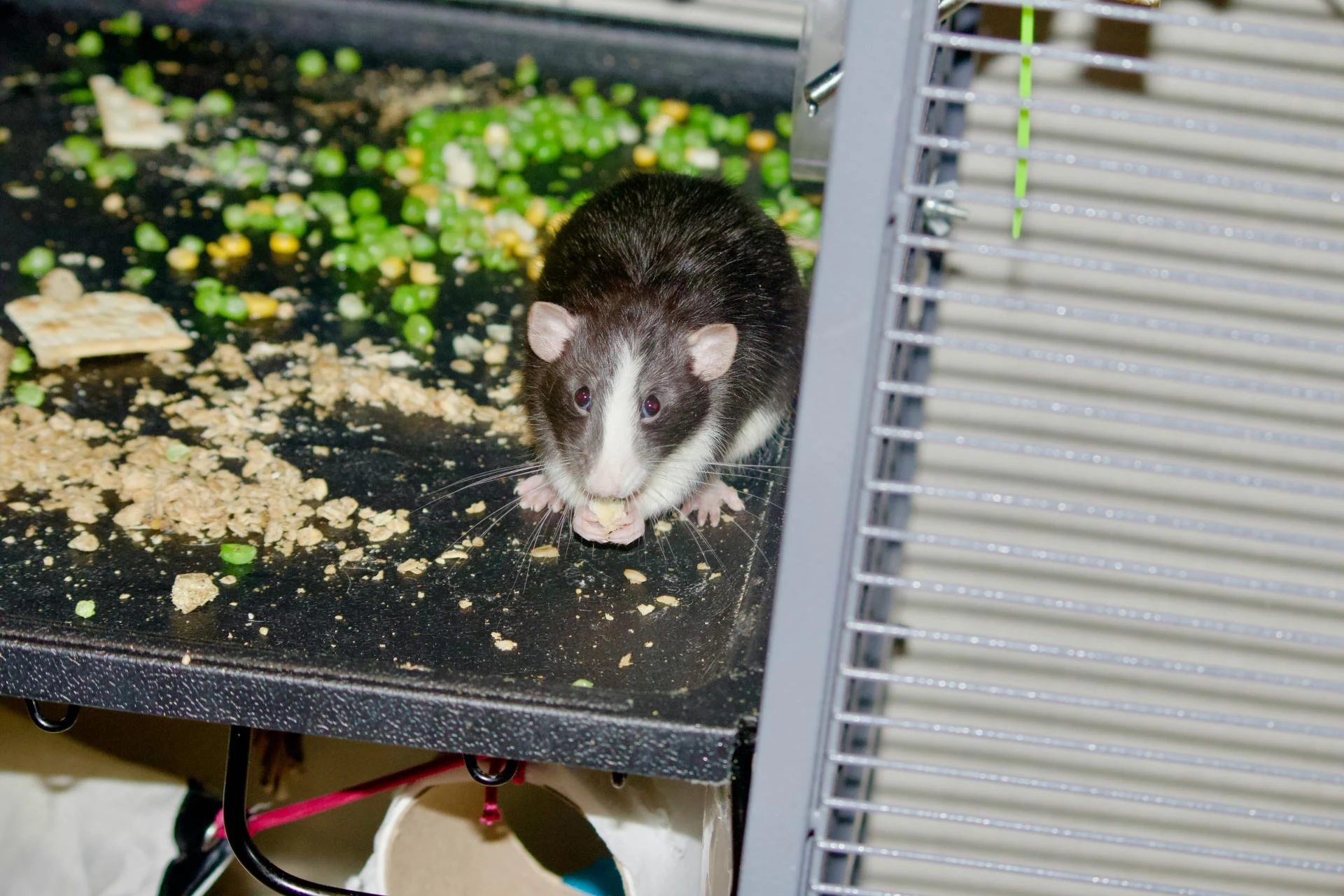

Rodent activity is a persistent issue across Australia. From inner-city Melbourne terraces to large warehouses in Western Sydney and rural properties in regional Queensland, rats and mice adapt quickly to their surroundings. Effective rodent control requires more than a single response. It demands a dual-layer strategy that addresses both external risk factors and internal vulnerabilities.
Understanding how inside and outside rodent proofing work together is essential for long-term management.
Common Rodents Found Around Australian Properties
In Australia, the most common pest rodents include:
- The Black rat, often found in roof voids and wall cavities
- The Norway rat, typically burrowing around foundations and drains
- The House mouse, known for rapid breeding and indoor nesting
Each species behaves differently. Black rats are agile climbers. Norway rats prefer ground-level access. House mice can squeeze through gaps as small as 6mm. This makes a layered strategy critical.
Why a Dual-Layer Approach Matters
Many property owners focus only on what they can see inside. However, indoor activity often begins outdoors. If the external environment provides shelter, food and access points, rodents will continue to enter no matter how often internal control measures are applied.
A dual-layer approach includes:
1. External rodent management
2. Internal monitoring and control
Both layers must work together to reduce ongoing pressure on the property.
Outside Rodent Proofing Strategies
External rodent proofing targets the source of the problem.
1. Structural Inspections
Rodents enter through surprisingly small openings. In older homes across Adelaide and Hobart, cracked brickwork and gaps under corrugated cladding are common entry points.
Professional inspections assess:
- Gaps around service pipes
- Damaged air vents
- Poorly sealed roller doors
- Broken roof tiles
- Drainage entry points
Sealing these areas reduces access opportunities.
2. Perimeter Management
Perimeter treatments create a managed buffer zone around the building. This is particularly important for food premises, logistics facilities and strata complexes.
External baiting and monitoring stations are strategically positioned along fence lines, near waste storage areas and beside vegetation. Placement is based on rodent behaviour and property layout.
Commercial pest control providers such as Rentokil use site-specific strategies tailored to Australian conditions, whether dealing with coastal humidity in Brisbane or dry heat in Perth.
3. Waste and Storage Controls
Overflowing bins, open skip lids and poorly stored stock provide ongoing attraction.
Businesses in hospitality and manufacturing sectors face higher risk due to food residues and storage volumes. Regular waste collection and secure storage reduce rodent harbourage areas.
4. Landscaping Considerations
Overgrown shrubs against walls create hidden runways for rats. Mulch piled against foundations offers nesting opportunities.
Maintaining clear zones around buildings is especially important in suburban areas where properties are close together and rodents move between sites.
Inside Rodent Proofing Strategies
Internal measures focus on early detection and containment.
1. Roof Void and Ceiling Space Monitoring
Black rats frequently nest in roof cavities. Scratching noises at night, droppings in insulation and gnaw marks on beams indicate activity.
Professional services include roof inspections and targeted treatment placement in accordance with safety regulations.
2. Internal Monitoring Systems
Modern rodent control programs may involve electronic monitoring devices that alert technicians to activity. This allows rapid response without relying solely on visual inspections.
These systems are commonly used in:
- Food processing plants
- Warehouses
- Healthcare facilities
- Multi-storey office buildings
Early detection reduces operational disruption.
3. Sanitation and Storage Management
Rodents thrive where food debris is accessible.
In residential homes, unsecured pantry goods and pet food left overnight increase risk. In commercial settings, poor stock rotation and damaged packaging create feeding opportunities.
Ongoing housekeeping plays a major role in reducing internal pressure.
4. Subfloor and Wall Cavity Inspections
In Queensland and Northern NSW, raised homes with subfloor spaces provide ideal nesting conditions. Wall cavities in older brick homes also create hidden harbourage zones.
Professional technicians assess these concealed areas as part of a structured rodent management program.
Residential vs Commercial ConsiderationsResidential Properties
Homes typically experience seasonal rodent activity, especially during cooler months when rodents seek warmth indoors.
Dual-layer strategies for homes include:
- Sealing entry points
- External perimeter monitoring
- Roof void inspections
- Scheduled follow-up visits
Commercial Properties
Commercial environments require more structured programs.
Food businesses must manage strict compliance standards. Warehouses in industrial zones face increased rodent pressure due to neighbouring sites.
Routine inspections, documented reporting and ongoing monitoring are essential components of commercial rodent control.
When Professional Rodent Control Is Required
While minor activity may appear manageable at first, rodents reproduce rapidly. A single breeding pair of house mice can multiply within weeks.
Professional pest control services provide:
- Detailed site assessments
- Species identification
- Targeted treatment plans
- Ongoing monitoring
- Reporting for compliance purposes
This structured approach reduces recurring activity and limits property damage.
Frequently Asked Questions
Why are rodents still appearing after sealing gaps?
Rodents may already be nesting inside roof voids or wall cavities. Internal inspection and treatment are often required alongside external proofing.
How often should rodent control services be scheduled?
This depends on property type and surrounding risk factors. High-risk commercial sites often require regular service intervals, while residential properties may need seasonal inspections.
Are roof rats common in Australian cities?
Yes. Black rats are widely distributed in metropolitan areas and are strong climbers, often entering via overhanging branches or rooflines.
What signs indicate a larger infestation?
Persistent droppings, gnaw damage, grease marks along walls and scratching noises in ceilings all suggest established activity.
A Structured Approach Delivers Stronger Results
Rodent control is not limited to traps or bait stations inside a building. Long-term management depends on addressing the source outside while maintaining vigilance inside.
Australian conditions vary widely, from humid coastal suburbs to dry inland regions. A dual-layer rodent proofing strategy tailored to local conditions provides a more reliable solution for homes and businesses alike.
If rodent activity is increasing around your property, a professional inspection can identify both internal and external risk factors and put a clear management plan in place.


















Sign in to leave a comment.