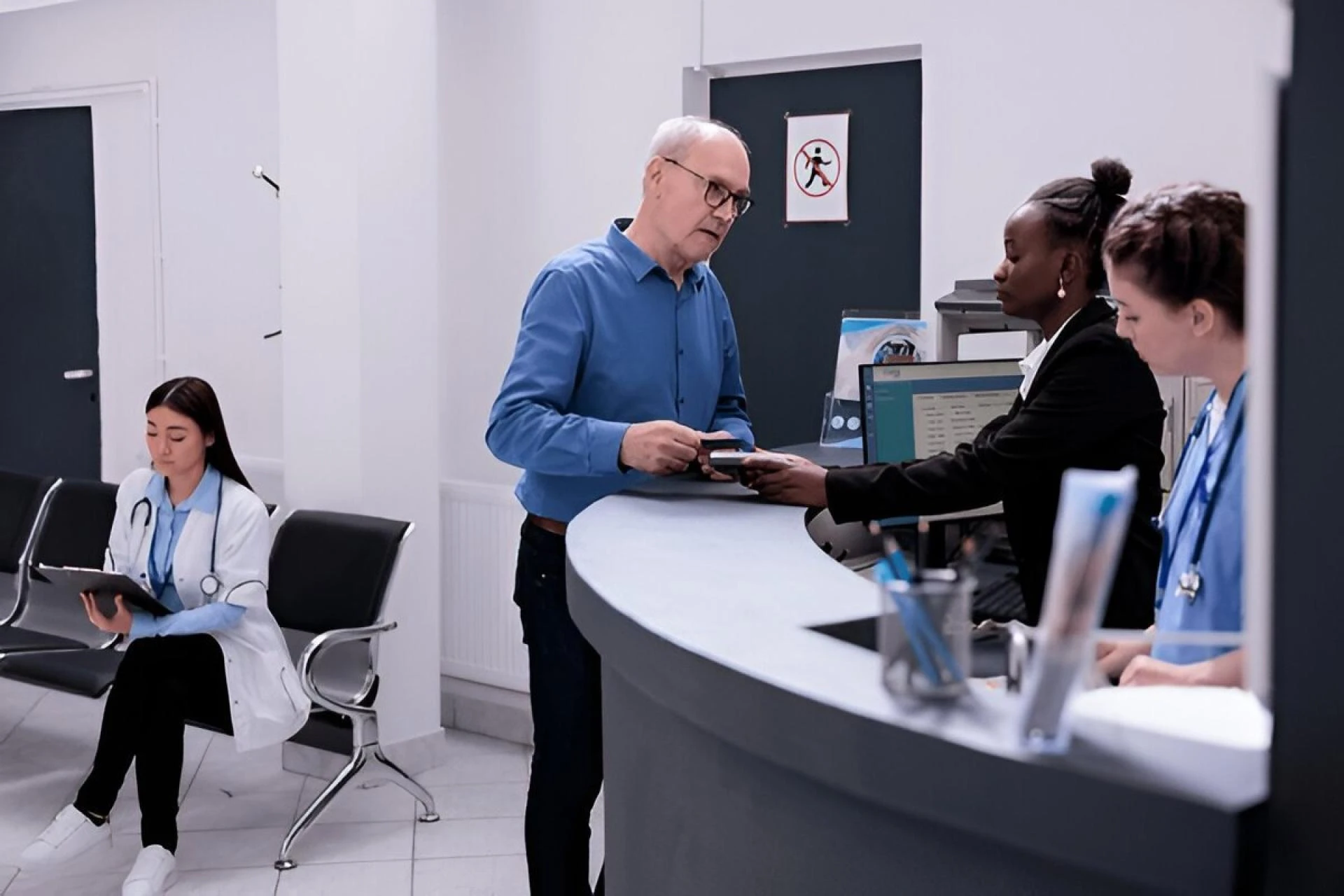

In the intricate world of healthcare and insurance, communication is not just important – it's crucial. For insurance payers, every interaction with a member, provider, or employer is an opportunity to build trust, clarify complexities, and ensure smooth operations. This is where the vital role of insurance payer contact center services comes into play.
Today's insurance landscape is more complex than ever, with evolving regulations, diverse plan options, and a constant demand for immediate, accurate information. Members expect seamless experiences, quick resolutions, and empathetic support. To meet these rising demands, payers increasingly rely on robust, compliant, and highly efficient contact center partners.
What Is an Insurance Payer Contact Center?
At its heart, an insurance payer contact center is the primary communication hub between an insurance company and its various stakeholders. Its role in the payer ecosystem is multi-faceted, serving as the frontline for inquiries, support, and problem resolution.
Unlike a provider contact center (which focuses on clinical appointments, patient billing, and medical records from hospitals or clinics), a payer contact center specifically addresses concerns related to:
- Members: Answering questions about their plans, benefits, and claims.
- Providers: Assisting with authorizations, billing guidelines, and network status.
- Employers: Supporting group plan administrators with enrollment and eligibility.
- Internal Teams: Providing data and feedback that inform operational improvements.
Essentially, it's the nerve center for all non-clinical administrative and support interactions, ensuring that everyone involved understands the mechanisms of their health coverage.
Core Functions of an Insurance Payer Contact Center
Effective healthcare payer call center services cover a broad spectrum of responsibilities, categorized into several key areas:
1 Member Support Services
This is arguably the most critical function, directly impacting member satisfaction and retention. Agents handle a variety of inquiries:
- Benefits explanation: Helping members understand what their plan covers, deductibles, co-pays, and out-of-pocket maximums.
- Coverage inquiries: Clarifying specific service coverage, such as mental health, prescriptions, or specialist visits.
- Network provider assistance: Guiding members to in-network doctors, hospitals, and specialists.
- ID card requests & account information: Processing requests for new ID cards, updating personal details, and managing account access.
2 Claims Support
Claims can be a source of significant confusion and frustration. Contact centers provide crucial support by:
- Claim status updates: Informing members and providers about the current status of a submitted claim.
- Assistance with denials, appeals, and reconsideration: Explaining why a claim was denied and guiding parties through the appeal process.
- Document guidance and error clarification: Helping to correct missing or incorrect information on claim submissions.
3 Enrollment & Eligibility
Crucial for continuity and growth, especially during peak seasons like AEP/OEP (Annual/Open Enrollment Period):
- Support for AEP/OEP: Guiding prospective and existing members through plan selection and enrollment procedures.
- Medicare, Medicaid & commercial plan enrollment: Assisting with the onboarding process for various plan types.
- Eligibility verification: Confirming a member's active coverage and plan details for providers.
4 Provider Support
A positive relationship with providers is essential for a payer. Contact centers help by:
- Authorization questions: Clarifying pre-authorization requirements for specific procedures or services.
- Billing/coding clarifications (non-clinical): Assisting with procedure codes (CPT) and diagnostic codes (ICD-10) to ensure accurate claim submission.
- Contracting escalations: Directing complex provider contract inquiries to the appropriate internal teams.
Why Payers Outsource Contact Center Services
Given the scale and complexity, many payers choose to outsource their contact center operations. This strategic decision offers significant advantages:
- Seasonal volume spikes (AEP/OEP): Outsourcing provides the flexibility to rapidly scale up staff during peak enrollment periods without the burden of hiring and training a permanent in-house team.
- Cost efficiency with improved service quality: Specialized outsourcing partners often achieve economies of scale and operational efficiencies that reduce costs while simultaneously improving service levels.
- Faster response times & reduced member frustration: Dedicated outsourcing partners focus solely on contact center operations, leading to optimized processes, shorter hold times, and quicker resolutions.
- Compliance assurance (HIPAA, CMS, NCQA): Reputable outsourcing providers are experts in healthcare regulations, ensuring all interactions are compliant with strict industry standards like HIPAA, CMS guidelines, and NCQA accreditation requirements.
Benefits of Specialized Payer Contact Center Outsourcing
Partnering with a specialized payer contact center solutions provider yields tangible benefits:
- Higher first-call resolution (FCR): Highly trained agents equipped with comprehensive knowledge bases can resolve more issues on the initial call, improving efficiency and satisfaction.
- Better member satisfaction & retention: Positive, efficient interactions lead to happier members who are more likely to remain with their plan.
- Reduced claim errors & lower appeal rates: Accurate information and clear guidance earlier in the process can prevent costly and time-consuming claim errors and appeals.
- Improved operational efficiency & scalability: Payers can focus on core competencies while the outsourced partner handles the fluctuating demands of customer service.
- 24/7 availability for member needs: Many outsourced centers offer extended hours or round-the-clock support, catering to members across different time zones or with urgent needs.
Onshore vs. Offshore Support for Payers
The choice between onshore (within the U.S.) and offshore (international) contact center support involves critical considerations:
- Compliance considerations: Onshore centers often have a more straightforward path to strict U.S. healthcare compliance (e.g., HIPAA) due to existing legal frameworks and cultural alignment.
- Language, clarity, and trust factors: For sensitive health and financial information, members often prefer to speak with agents who share their cultural nuances and language clarity, fostering greater trust.
- Hybrid outsourcing models: Many payers adopt a hybrid approach, using onshore for complex, sensitive, or regulatory-heavy interactions, and offshore for more routine inquiries, balancing cost and quality.
Technology Used in Payer Contact Centers
Modern healthcare payer call center services are powered by advanced technology that enhances efficiency, accuracy, and security:
- Secure CRM & claims platform integrations: Agents have real-time access to member data, plan details, and claims history for personalized and accurate support.
- AI-based call routing & self-service tools: Intelligent systems direct calls to the most qualified agent or empower members to find answers through IVR or chatbots, reducing wait times.
- Omnichannel engagement (voice, email, chat, SMS): Members can choose their preferred communication channel, ensuring accessibility and convenience.
- Real-time reporting & QA systems: Comprehensive analytics provide insights into call volumes, resolution times, and agent performance, while QA monitors ensure compliance and service quality.
Challenges Payers Face Without Contact Center Support
Without robust insurance payer contact center support, payers risk significant consequences:
- Long hold times: Leading to frustrated members and providers.
- Incorrect benefit or claims information: Resulting in costly errors, re-submissions, and potential regulatory issues.
- Higher complaint & appeal volumes: Overwhelming internal teams and damaging reputation.
- Member dissatisfaction and churn: Unhappy members are more likely to switch plans, impacting financial stability and growth.
Why Ameridial Is a Trusted Insurance Payer Contact Center Partner
For payers seeking a reliable and compliant partner, Ameridial stands out. We specialize in providing comprehensive payer contact center solutions designed to meet the unique demands of the healthcare industry.
- U.S.-based, HIPAA-compliant operations: All our services are delivered from onshore facilities, ensuring stringent adherence to HIPAA and other critical U.S. healthcare regulations, fostering trust and security.
- Highly trained healthcare payer specialists: Our agents undergo rigorous training specific to insurance products, benefits, claims processing, and compliance protocols for Medicare, Medicaid, and commercial plans.
- Proven success with Medicare, Medicaid, and commercial plans: We have a deep understanding of the diverse requirements and complexities across different payer types.
- Scalable teams for AEP/OEP and year-round support: We offer flexible staffing models to seamlessly manage seasonal spikes and provide consistent, high-quality support throughout the year.
- Consistent improvement in CSAT and call resolution: Our focus on operational excellence, continuous training, and advanced technology consistently leads to higher customer satisfaction and first-call resolution rates.
Conclusion
In today's competitive and regulated healthcare environment, insurance payer contact centers are far more than just call answering services. They are strategic assets, essential for accurate, empathetic communication that underpins member satisfaction, claims accuracy, and enrollment efficiency.
By leveraging specialized payer contact center solutions and trusted partners like Ameridial, insurance companies can not only improve operational efficiency but also foster greater member trust, reduce administrative burdens, and ultimately enhance overall plan performance. Investing in robust contact center services is an investment in the future success and stability of your insurance enterprise.































Sign in to leave a comment.