
Introduction
Plastering creates a smooth, hard surface for exterior or interior walls. It can be a rewarding process for homeowners when done correctly. Good techniques help keep surfaces both attractive and durable. A professional finish adds significant value to any property, achieved through proper preparation and attention to detail.
1. Understanding Plaster Types
Choosing the right material is important for every project. Consulting experts in plastering in Ashford Kent can help you select the most suitable materials for different surfaces and conditions. Gypsum-based options are often better for interiors as they dry quickly and provide a fine finish. Cement-based varieties are suitable for outdoor use, offering resistance to weather and added protection. By understanding which product to use for each area, you can reduce future maintenance and repair costs.
2. Surface Preparation
Proper preparation is key to achieving a perfect result. Before application, walls should be clean, dust-free, and free of loose debris. Small cracks or holes should be filled with a suitable filler before plastering. Using a bonding agent, especially on smooth or painted surfaces, helps the new layer adhere properly and prevents peeling or cracking over time.
3. Mixing Plaster Properly
Correct mixing ensures an even and workable consistency. Always follow the manufacturer’s instructions for water ratios and mixing times. Too much water can weaken the mixture and cause sagging, while too little can make it difficult to spread. Using clean tools helps prevent lumps and ensures a smooth, even application.
4. Application Techniques
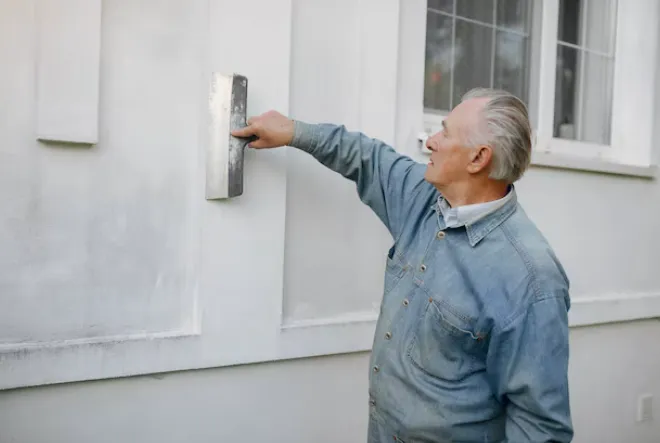
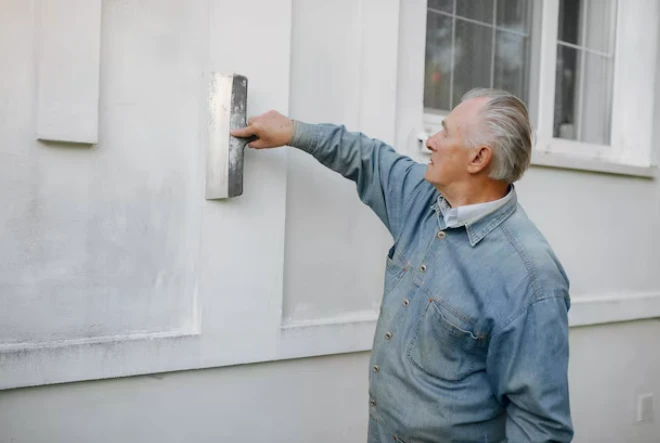
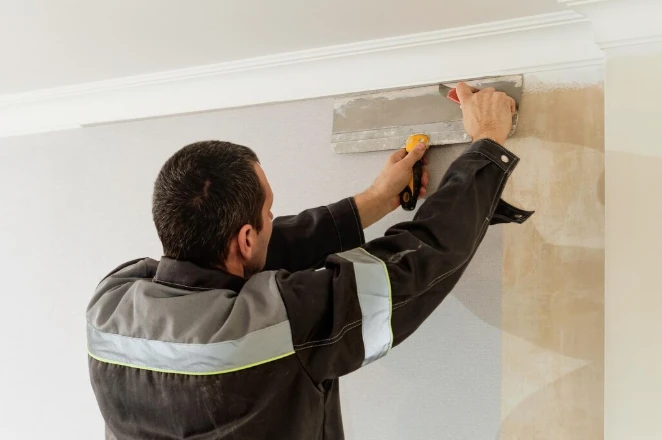
Plastering requires patience and a steady approach. A hawk and trowel provide the best control. Apply the plaster in thin, even coats, starting from the top and working downwards. Applying too much material at once can lead to an uneven or brittle finish. Work in moderate conditions to avoid rapid drying or excess moisture, which can cause cracking, especially for outdoor applications.
5. Achieving a Smooth Finish
A smooth finish depends on timing and technique. After applying the first coat, lightly smooth the surface with a clean trowel. Level any ridges and fill minor imperfections with gentle pressure. Lightly mist the surface with water and continue smoothing until the desired texture is achieved. Avoid over-polishing, as this can weaken the bond between the plaster and the wall.
6. Drying and Curing
Proper drying prevents issues such as mould or surface damage. Ensure good ventilation for indoor areas, and protect outdoor surfaces from direct sunlight or heavy rain while curing. Allow the plaster to dry completely before painting or decorating. Rushing this process may trap moisture, leading to peeling or discolouration later.
7. Addressing Common Issues
Cracks, bubbles, or uneven patches can occur even with careful work. Minor cracks can be filled and lightly sanded to achieve a smooth finish. Bubbles may result from trapped air or poor adhesion, so applying firm pressure during application helps prevent them. If major defects appear, the affected area may need to be removed and reapplied for the best result.
8. Protecting Plaster Surfaces
Maintaining plaster surfaces helps extend their lifespan and appearance. Indoor areas benefit from regular dusting and occasional cleaning with a damp cloth. Outdoor surfaces should be inspected regularly for chips or wear and repaired promptly. Applying a breathable paint or sealant adds extra protection and improves durability.
9. Safety Precautions
Safety is important throughout the process. Wear gloves, protective eyewear, and a dust mask when mixing and applying plaster. Keep the work area tidy and free of hazards. Use a ladder or scaffold when working at height. Ensure pets and children are kept away until the plaster has fully cured.
Conclusion
Plastering is a manageable home improvement task with proper planning and preparation. Using suitable materials, following correct techniques, and observing safety measures can achieve excellent results. With proper care, plastered surfaces remain strong and visually appealing for many years. Attention to detail at every stage ensures a high-quality finish.

























Sign in to leave a comment.