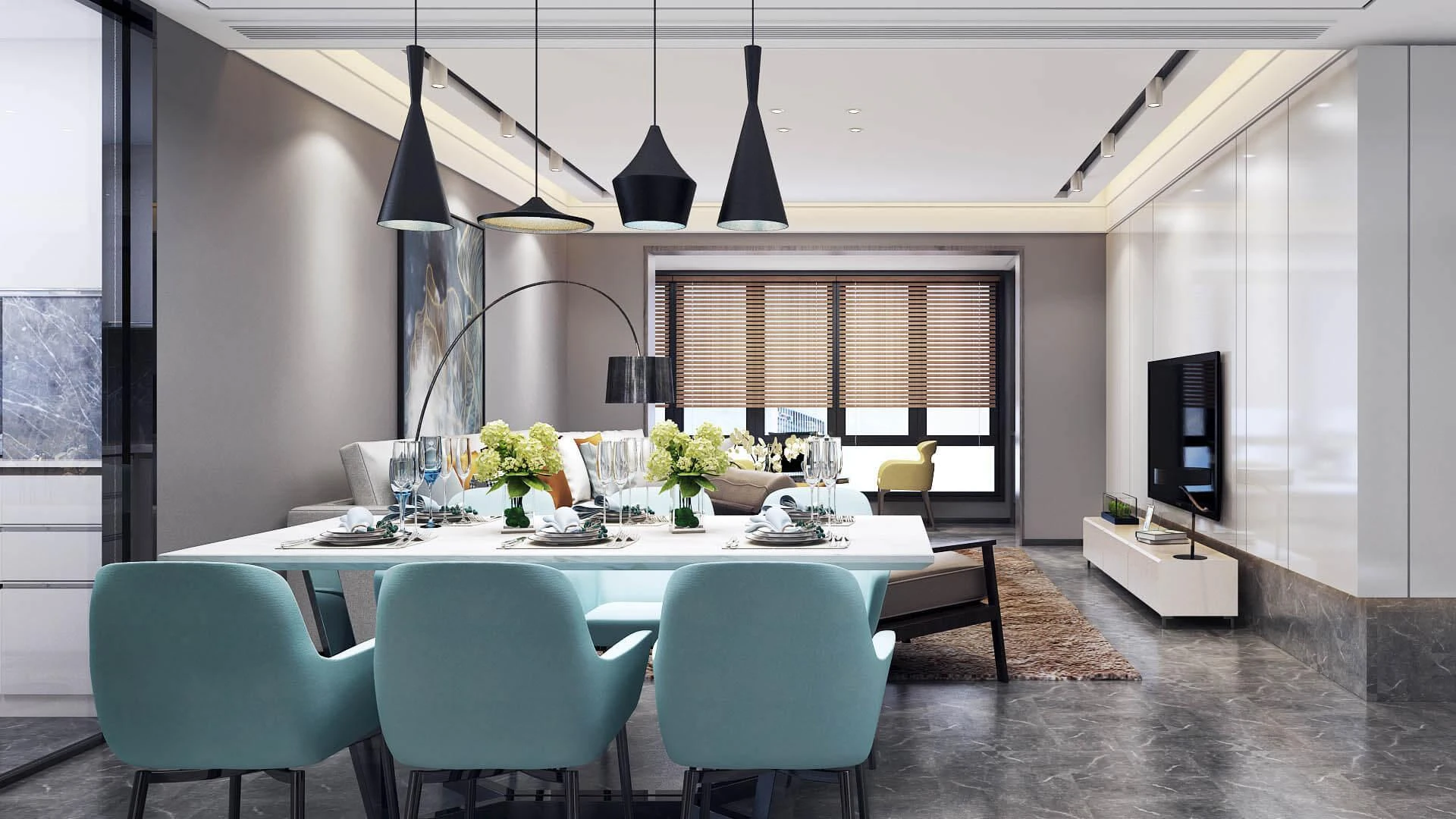

Designing an open concept kitchen and dining area is a fantastic way to maximize space while creating a modern, inviting atmosphere. The kitchen and dining room are two of the most used spaces in any home, and combining them seamlessly can promote both functionality and style. Whether you're working with a spacious layout or a cozy area, interior design ideas for kitchen and dining room can help you create a harmonious flow that blends both spaces into a unified environment.
In this article, we’ll explore how to merge your kitchen and dining room with smart design choices that enhance both the aesthetic and practicality of your home. For expert assistance in bringing your vision to life, visit Kitchen Interior Design Company in Bangladesh at Circle Interior Ltd.
1. Define Separate Zones with Color and Lighting
Creating Distinct Areas While Maintaining Flow
In an open-concept space, it’s important to establish boundaries without creating a sense of separation. One effective way to achieve this is through color and lighting.
Design Ideas:
- Contrasting Colors: Use different color schemes for the kitchen and dining area. Opt for soft, neutral tones in the kitchen and bolder, richer hues in the dining room to create a visual distinction.
- Accent Walls: Consider painting one wall in the dining room with a bold color to define the space, while keeping the kitchen walls light and airy.
- Lighting: Use pendant lights above the dining table and recessed lighting in the kitchen to establish functional zones. Layering different lighting types helps maintain the openness while adding warmth and ambiance to both areas.
By utilizing different colors and lighting, you can maintain the flow between the two spaces while creating clear zones.
2. Use a Central Island to Tie Both Spaces Together
A Kitchen Island as a Focal Point and Divider
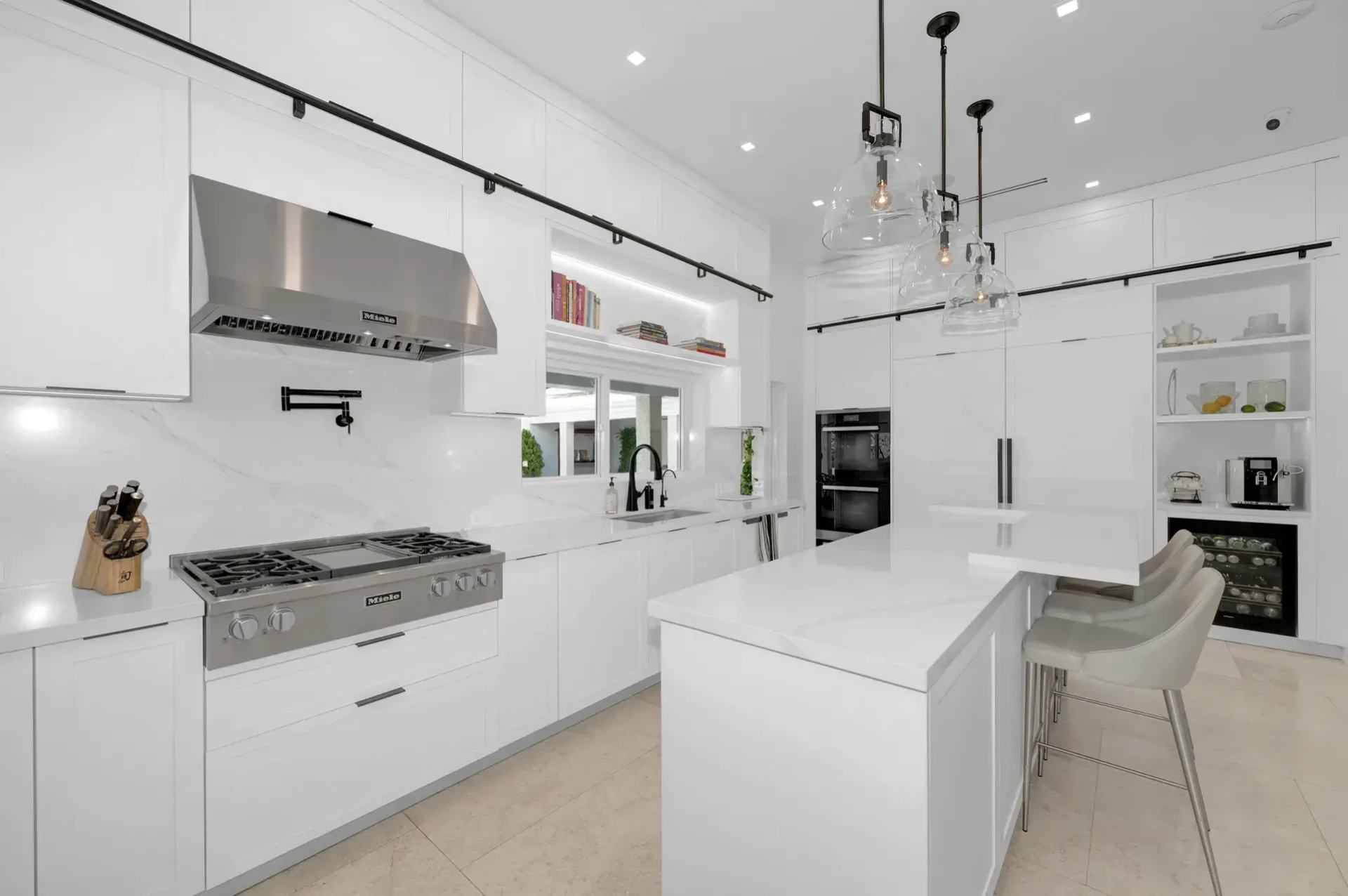
A kitchen island is one of the most versatile features in an open-concept space. Not only does it provide additional prep space and storage, but it also acts as a visual divider between the kitchen and dining room.
Island Features:
- Integrated Seating: Add stools or chairs around the island to create an informal dining space that connects both areas.
- Stylish Finishes: Choose materials that complement the dining room decor. For example, a wooden island with a granite countertop can create a cohesive design across both spaces.
- Functional Storage: Incorporate cabinets, drawers, or open shelving to store kitchen essentials or display decorative items that link the dining area.
A central island can work as a multifunctional piece that connects both rooms while providing extra workspace and seating.
3. Open Shelving and Display Storage
Show Off Your Style While Maintaining Functionality
Open shelving in both the kitchen and dining room can help create a seamless flow between the two areas while offering both storage and visual appeal.
Shelving Tips:
- Open Shelves in the Kitchen: Display beautiful dinnerware or cookbooks in the kitchen’s open shelves. This adds character and keeps items within easy reach.
- Glass-Front Cabinets: Incorporate glass-front cabinets in the kitchen to show off your glassware, while creating a transparent flow to the dining area.
- Decorative Storage: In the dining room, use stylish open shelves to store elegant dinnerware or display family heirlooms that tie into the kitchen’s theme.
By carefully selecting what to display, open shelving helps create a connection between the kitchen and dining room while maintaining a clutter-free environment.
4. Select Coordinating Furniture and Decor
Harmonize Your Design with Matching Elements
Choosing coordinating furniture and decor helps create a seamless design between the kitchen and dining room. By selecting complementary styles and colors, both spaces will feel unified and cohesive.
Furniture Coordination Tips:
- Consistent Materials: Use similar materials for both the dining table and kitchen furniture. For example, if you have wooden cabinets in the kitchen, opt for a wooden dining table that complements the cabinetry.
- Matching Textiles: Use matching textiles in both spaces, such as tablecloths, cushions, or window treatments that carry over the same patterns or color schemes.
- Neutral Bases with Pops of Color: Keep the base of your furniture neutral (white, beige, gray) and introduce pops of color with decor items like cushions, placemats, or artwork.
By keeping your furniture and decor coordinated, you can create a cohesive flow between the two areas while maintaining their individual functionality.





























Sign in to leave a comment.