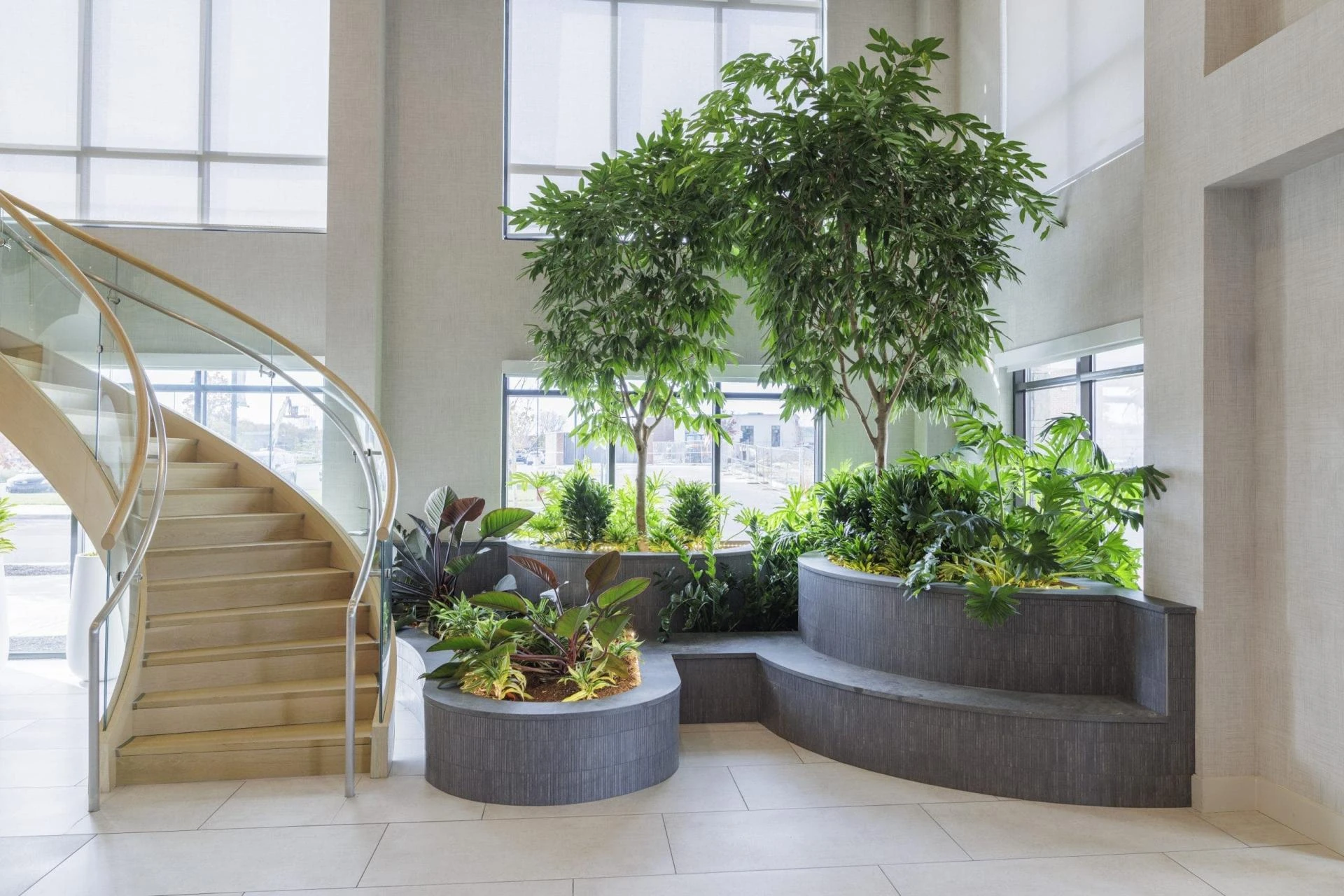

The trend of incorporating greenery into home spaces is not just about aesthetics. Interior plantscapes have gained popularity as a way to connect with nature while improving the overall atmosphere of a room. By adding plants to a living space, homeowners not only enhance the décor but also enjoy numerous benefits that go beyond simple visual appeal. In this article, we explore how interior plantscapes can transform a home environment, offering practical advice on how to use plants effectively, the benefits they bring, and tips on choosing and caring for them.
What is an Interior Plantscape?
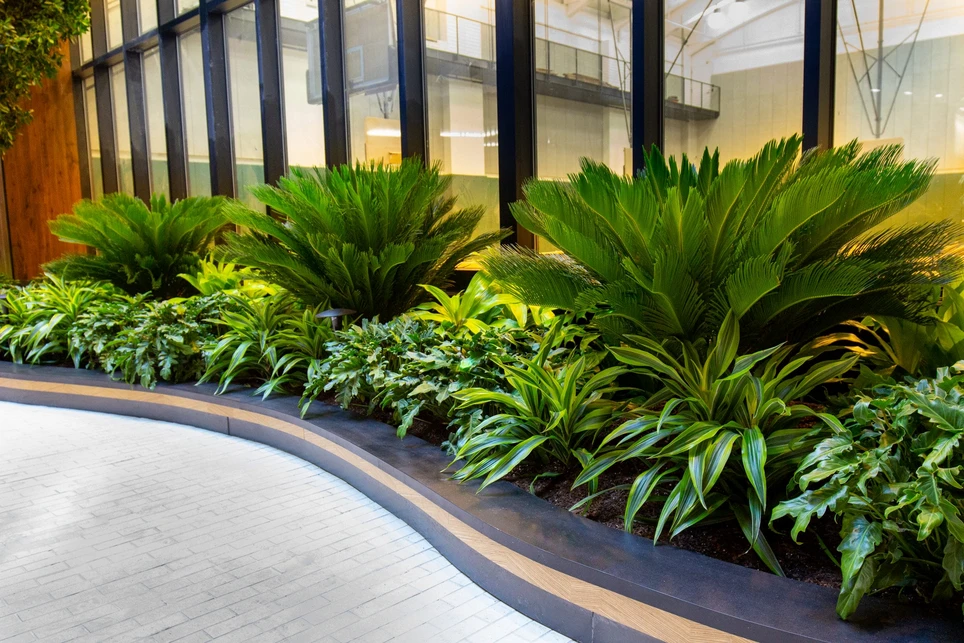
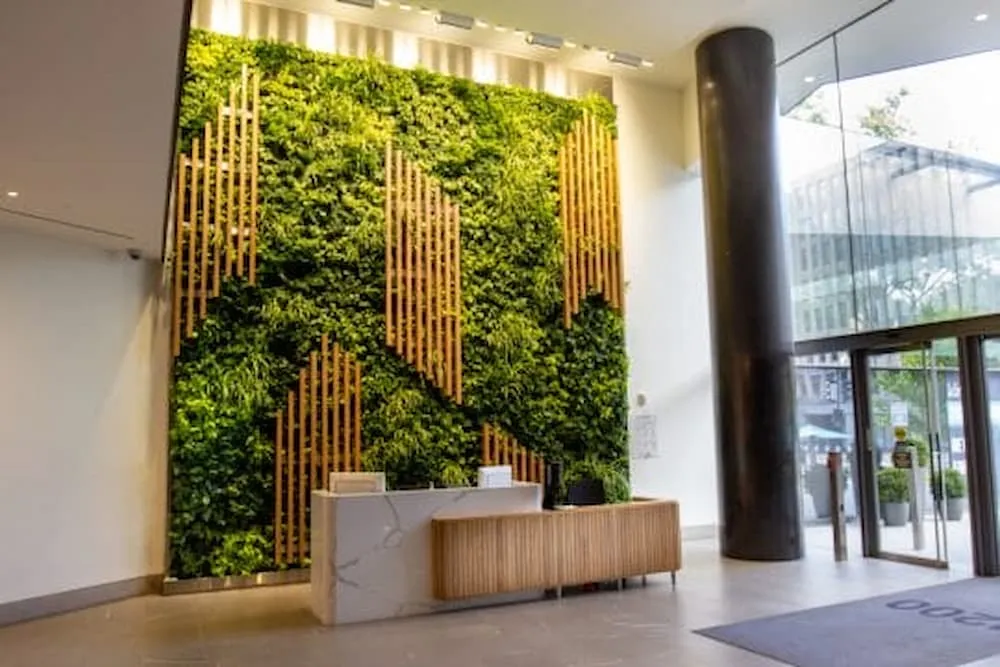
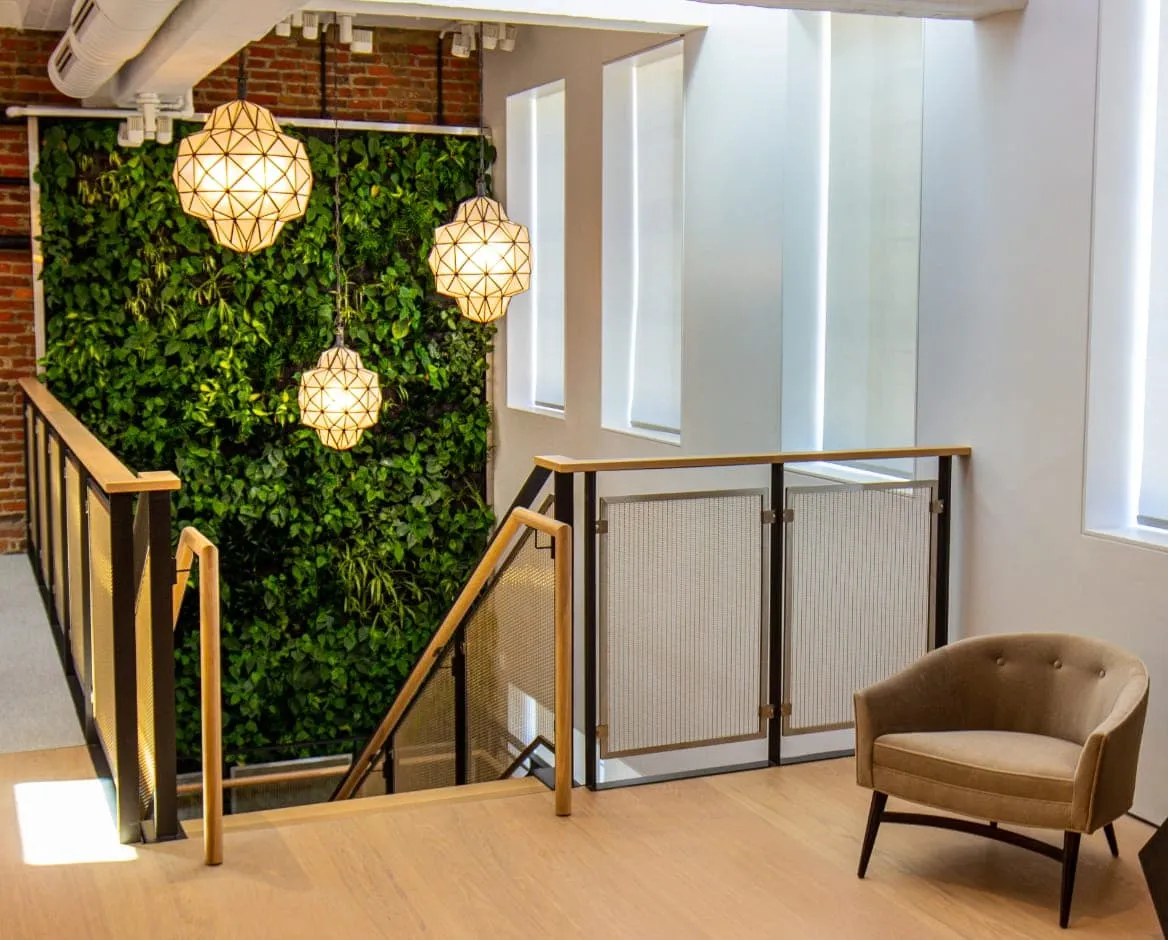
An interior plantscape refers to the strategic placement and use of plants within the interior spaces of a home or building. It involves selecting and arranging plants to create visually appealing environments, which contribute to the overall aesthetic, health, and atmosphere of a space. Unlike traditional gardening, interior plantscapes focus on bringing nature indoors in ways that are both decorative and functional. This trend has been embraced by interior designers, homeowners, and businesses alike, seeking to infuse a sense of calm and well-being through the use of natural elements.
Key Components of Interior Plantscapes
An interior plantscape is made up of several elements that come together to create a harmonious environment. These include:
- Plant Selection: Choosing the right plants for the space is crucial. Factors such as light conditions, humidity levels, and plant size must be taken into account.
- Container Choices: The pots, planters, or containers used to house the plants should complement the overall décor. These containers can range from minimalistic designs to decorative, statement pieces.
- Placement: Positioning plants strategically throughout the space, whether on shelves, in corners, or hanging from ceilings, plays a role in both functionality and design.
- Care and Maintenance: The success of an interior plantscape depends on how well the plants are cared for. Regular watering, proper lighting, and maintenance are essential.
Benefits of Interior Plantscapes
The introduction of plants into interior spaces offers several notable benefits. These range from emotional and psychological advantages to tangible health improvements. Here are some of the key reasons why interior plantscapes are gaining popularity in homes worldwide.
Improved Air Quality
One of the most recognized benefits of having plants indoors is their ability to improve air quality. Certain plants, such as spider plants, peace lilies, and snake plants, naturally filter and purify the air by absorbing toxins like formaldehyde, benzene, and xylene. They also release oxygen, which helps maintain a fresh and clean atmosphere in the home.
Boosted Mood and Well-Being
Indoor plants are known to have a positive impact on mood. Studies have shown that the presence of greenery can reduce stress, anxiety, and feelings of depression. Simply spending time near plants or interacting with them can promote relaxation and improve mental well-being. The calming effects of nature are often felt through the act of watering, pruning, or even observing the growth of plants.
Enhanced Aesthetic Appeal
Interior plantscapes provide a natural way to decorate and add texture to a room. From large statement plants like rubber trees and fiddle leaf figs to smaller plants like succulents and cacti, greenery can complement any interior style. The vibrant colors of leaves, the unique shapes of plants, and the subtle scent of flowers create an inviting atmosphere. Plants can soften the harshness of modern designs, add contrast to minimalist spaces, and enhance the coziness of rustic interiors.
Increased Productivity and Creativity
Placing plants in home offices or study spaces can improve focus and boost creativity. The presence of plants has been shown to increase cognitive function and reduce fatigue, making them a great addition to work environments. A well-placed plant on a desk or shelf can serve as a refreshing visual break, offering a more pleasant and productive workspace.
Noise Reduction
Plants can also help reduce background noise in indoor environments. The leaves of plants absorb sound, which can decrease the overall noise level in a room. This is particularly beneficial in urban areas or spaces with hard surfaces that amplify sound. By adding plants to such areas, one can create a more peaceful and quiet atmosphere.
Types of Plants for Interior Plantscapes
The key to creating a beautiful and functional interior plantscape lies in selecting the right plants. Not all plants are suited for indoor environments, and factors such as light, temperature, and space should be considered when making a choice. Below are some popular plant types that thrive indoors.
Low-Light Plants
For spaces that lack natural light, low-light plants are a perfect option. These plants can survive in dimly lit rooms and still thrive without direct sunlight. Some examples include:
- Snake Plant (Sansevieria): Known for its tolerance to low light and minimal water needs.
- ZZ Plant (Zamioculcas zamiifolia): A hardy plant that can survive in a variety of lighting conditions.
- Pothos (Epipremnum aureum): A fast-growing vine that thrives in indirect light.
Medium to Bright Light Plants
Plants that require moderate to bright light will thrive when placed near windows or in well-lit areas. Some great choices for these environments include:
- Peace Lily (Spathiphyllum): A beautiful plant that flowers indoors and can adapt to various light levels.
- Spider Plant (Chlorophytum comosum): Known for its air-purifying properties and tolerance to bright light.
- Fiddle Leaf Fig (Ficus lyrata): A popular choice for creating a bold statement in interior spaces, requiring plenty of light.
Succulents and Cacti
Succulents and cacti are perfect for low-maintenance interior plantscapes. They are well-suited to dry conditions and require minimal watering. Popular choices include:
- Aloe Vera: Known for its healing properties and easy-to-care-for nature.
- Echeveria: A rosette-shaped succulent that adds an aesthetic touch to any space.
- Barrel Cactus: A spiny plant that adds a unique texture and shape to an interior.
How to Care for Interior Plantscapes
Caring for plants in an interior setting requires attention to a few key factors, such as watering, light, humidity, and temperature. Here are some essential tips to ensure plants thrive indoors.
Watering
Overwatering is one of the most common mistakes in indoor plant care. Different plants have varying water needs, so it's important to research each plant's specific requirements. A general rule of thumb is to allow the soil to dry out before watering again, especially for succulents and cacti. For leafy plants, ensure that the soil remains slightly moist but not soggy.
Light Requirements
Different plants have different light preferences. Some need bright, direct sunlight, while others thrive in indirect light or low-light conditions. It's important to place plants in the right location based on their light needs. If natural light is limited, consider using grow lights to supplement it.
Temperature and Humidity
Most indoor plants prefer temperatures between 65°F and 75°F (18°C to 24°C). Avoid placing plants near heat sources, such as radiators or air conditioning units, as these can dry out the plant. Humidity can also impact plant health. If the air in your home is dry, especially during the winter months, consider using a humidifier or placing plants together to create a microclimate with higher humidity.
Regular Maintenance
In addition to watering and providing adequate light, regular maintenance is key to a thriving plantscape. Prune dead or yellowing leaves, check for pests, and repot plants when necessary. Additionally, cleaning the leaves with a damp cloth can help improve their ability to absorb light.
Conclusion
Interior plantscapes offer a simple yet effective way to enhance the beauty and atmosphere of any home. By selecting the right plants, strategically placing them, and providing proper care, homeowners can create a vibrant and healthy indoor environment. Whether it's improving air quality, boosting mood, or simply adding an aesthetic touch, the benefits of incorporating plants into home décor are undeniable. With the right approach, interior plantscapes can transform any space into a calming oasis, bringing a bit of nature into everyday life.
Sign in to leave a comment.