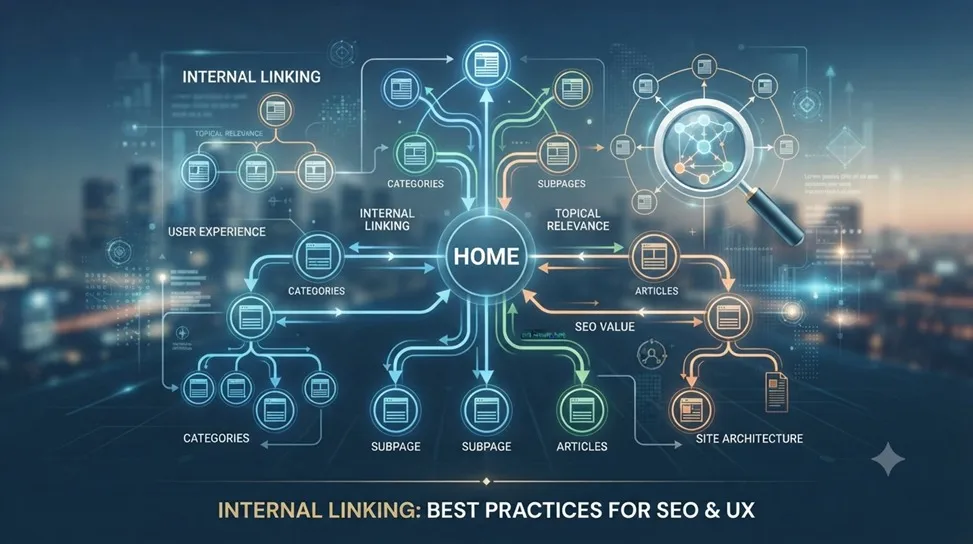

A strong internal linking strategy is an essential part of every successful website. Understanding Internal linking best practices helps improve search engine visibility, enhances user experience, and allows visitors to discover valuable content more easily. Internal links connect pages within the same website, guiding users through relevant information while helping search engines understand your site's structure. Whether you manage a business website, an online store, or a blog, implementing an effective internal linking strategy contributes to long-term SEO success and improved website performance.
What Is Internal Linking?
Internal linking refers to hyperlinks that connect one page of a website to another page within the same domain. Unlike external links that direct users to different websites, internal links keep visitors engaged by guiding them to related content.
These links help establish relationships between pages, distribute page authority throughout the website, and create logical navigation paths for both users and search engine crawlers.
A well-organized internal linking structure ensures that important pages are easier to discover and index.
Why Internal Linking Matters for SEO
Search engines use internal links to crawl websites efficiently and understand how pages relate to one another. Pages with strong internal link support are generally easier for search engines to find and evaluate.
Internal links also help distribute authority from high-performing pages to newer or less visible pages. This balanced distribution strengthens the overall website structure and improves opportunities for better search rankings.
An organized linking strategy supports both technical SEO and content optimization.
Improve User Navigation
Internal links make it easier for visitors to explore additional information without returning to the main navigation menu. When users find relevant resources through contextual links, they spend more time on the website and engage with multiple pages.
Better navigation contributes to lower bounce rates and higher session durations, both of which improve the overall user experience.
Helping visitors find useful content naturally increases trust in your website.
Use Descriptive Anchor Text
Anchor text is the clickable text used for hyperlinks. Clear and descriptive anchor text provides context about the destination page, helping both users and search engines understand what to expect.
Instead of using vague phrases such as "click here," choose meaningful words that accurately describe the linked content. Natural anchor text improves readability while supporting search engine optimization.
However, avoid excessive keyword repetition, which may appear unnatural.
Link to Relevant Content
Internal links should always add value to the reader. Linking unrelated pages simply to increase link numbers can confuse visitors and weaken your website structure.
Whenever possible, connect articles that expand upon the current topic or provide additional helpful information. Relevant links encourage users to continue learning while strengthening topical authority.
Quality always matters more than quantity.
Build a Logical Website Structure
A well-structured website organizes content into categories, subcategories, and supporting pages. Internal links reinforce this hierarchy by connecting related topics logically.
Important pages should receive links from multiple relevant sections of the website, making them easier for both visitors and search engines to access.
A clear structure also simplifies website maintenance as your content library continues to grow.
Regularly Audit Internal Links
As websites expand, broken links, outdated pages, and unnecessary redirects can negatively affect user experience and SEO performance.
Conducting regular internal link audits helps identify outdated links, orphan pages, duplicate content, and navigation issues. Updating links ensures visitors always reach relevant and valuable content.
Routine maintenance supports long-term website health and search engine performance.
Best Practices for Internal Linking
- Use descriptive and natural anchor text that accurately represents the destination page.
- Link only to relevant pages that provide additional value for readers.
- Maintain a logical website hierarchy that supports both users and search engine crawlers.
- Regularly review and update internal links to remove broken or outdated connections.
Avoid Common Internal Linking Mistakes
Some websites overuse internal links, creating cluttered pages that overwhelm readers. Others fail to link important pages, making valuable content difficult to discover.
Avoid linking every occurrence of the same keyword on a page or forcing links where they provide little benefit. Instead, focus on creating a balanced strategy that prioritizes user experience and content relevance.
Thoughtful internal linking contributes to stronger engagement and more effective website navigation.
Professional SEO and Website Structure
Developing an effective internal linking strategy requires careful planning and a well-organized website architecture. Many businesses choose to work with a Web design company in Pakistan to build SEO-friendly websites that feature logical navigation, optimized content structures, and effective internal linking strategies that improve both search visibility and user experience.
Final Thoughts
Internal linking is one of the simplest yet most effective SEO techniques available. By connecting related pages, improving navigation, and helping search engines understand your website structure, internal links contribute significantly to long-term website success.
When combined with high-quality content, technical optimization, and regular maintenance, a well-planned internal linking strategy improves user engagement, strengthens search engine rankings, and helps visitors discover more valuable information throughout your website.


























Sign in to leave a comment.