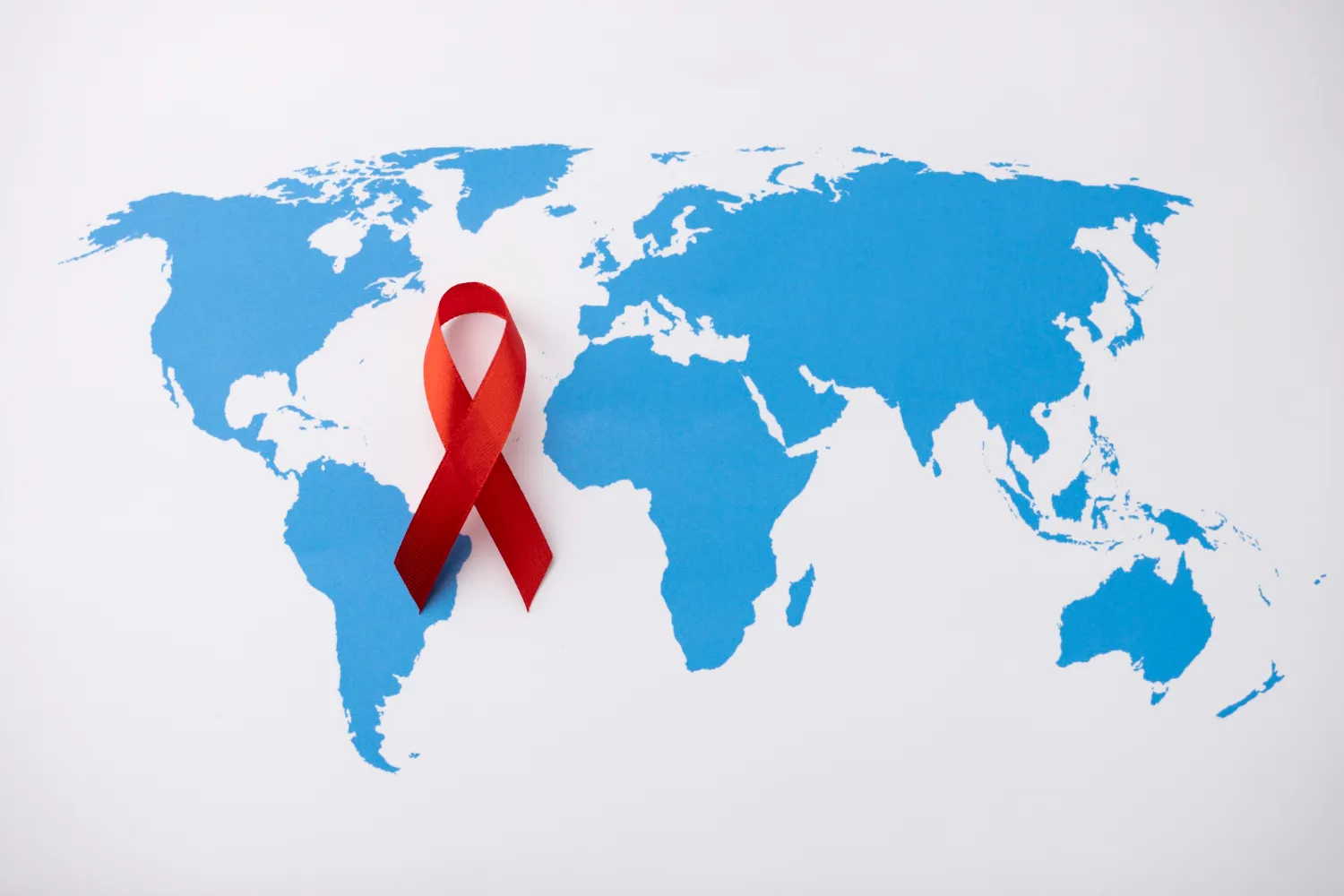

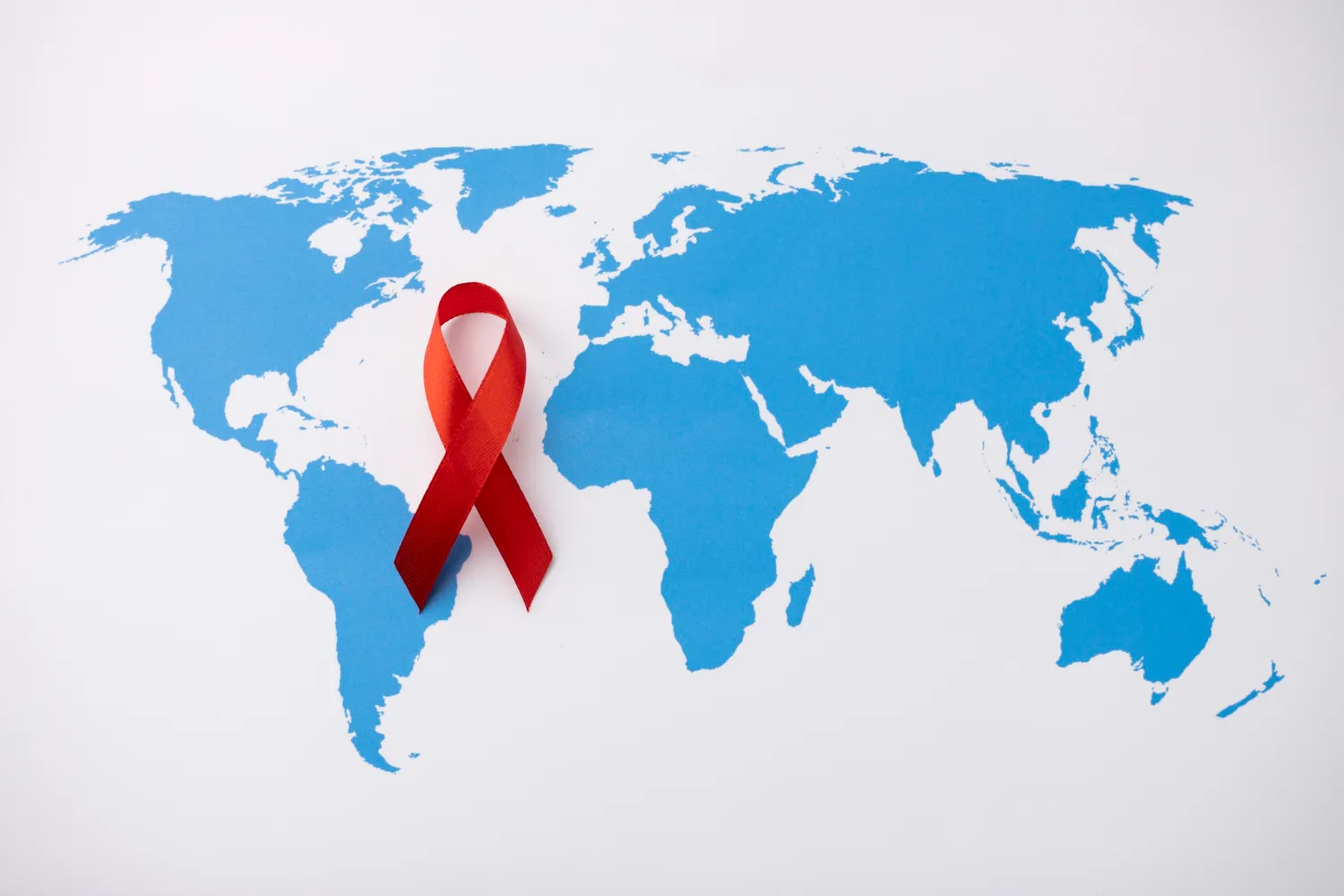
Every year on the last day of February, the rarest day on the calendar, millions of patients, families, researchers, and healthcare leaders unite for International Rare Disease Day. What began in 2008 in 18 European countries has expanded into a global movement spanning over 100 nations.
While a single rare condition may affect only a handful of individuals in any given city, the collective impact is staggering. Globally, rare diseases are anything but rare.
Rare Diseases by the Numbers
Understanding the scope of rare conditions requires looking at global data rather than isolated regions:
| Metric | Global Statistic | Impact & Context |
| Total Global Population | 300 to 400 Million | 3.5% to 5.9% of the world's population. |
| Identified Conditions | Over 10,000 conditions | ~250+ new conditions discovered annually. |
| Genetic Origin | 72% of rare diseases | Over 70% present early in childhood. |
| Diagnostic Odyssey | 5 to 6 years average | Patients consult an average of 7+ physicians before getting an accurate diagnosis. |
| Treatment Gap | >95% lack approved therapy | Fewer than 5% of rare diseases have an FDA or EMA-approved treatment. |
Recent Policy Shifts & Global Trends
The rare disease ecosystem is undergoing a historic shift toward international policy and cross-border research collaboration:
1. World Health Assembly (WHA) Resolution
A major turning point came when the World Health Assembly adopted a formal Resolution on Rare Diseases. For the first time, all WHO Member States agreed to treat rare conditions as a global public health priority. The resolution pushes governments to build diagnostic screening, treatments, and financial support directly into their national healthcare systems.
2. Genetic Diversity & Global Clinical Trials
Historically, rare disease clinical trials and genomic databases have suffered from a severe lack of ancestral diversity, with over 75% of genomic data derived from populations of European descent. Current initiatives are prioritizing global trial inclusion connecting underrepresented patient populations across South Asia, Latin America, and Africa with advanced clinical trial sponsors in North America and Europe.
3. AI and Next-Generation Sequencing (NGS)
When you combine whole-genome sequencing with machine learning tools, the old "diagnostic odyssey" falls apart. Patients who used to spend years wandering from clinic to clinic can now get answers in weeks. The software checks a patient's physical symptoms against global genetic databases, flagging ultra-rare conditions faster than any team of doctors could do on their own.
The Vital Role of Patient Advocacy Networks
Behind every policy win, drug discovery, and diagnostic tool are dedicated rare disease patient advocacy groups driving the momentum.
When a family receives a rare diagnosis, local healthcare systems often lack specialized knowledge or clinical trials for that specific condition. This is where rare disease advocacy groups step in to bridge the gap between isolated patients and global research centers.
How Advocacy Networks Transform Rare Care
Bridging Cross-Border Gaps
When a patient lives in a developing region, local hospitals rarely have trial options. International non-profits fix this by building direct lines between families on the ground and major research centers in the West. That way, patient data gets to researchers, and clinical trial opportunities make it back to the family.
Building Global Patient Registries
By bringing together fragmented patient populations across continents, rare disease patient organizations create unified registries that make orphan drug research viable for biotech sponsors.
Navigating Clinical Care
When local doctors don't have answers, navigation services step in to fill the void. They handle the messy logistics connecting families with international specialists for a fresh pair of eyes, pulling strings to get kids into expanded access drug programs, and shipping samples overseas for genetic testing that local labs simply can't do.
Policy & Access Advocacy
Advocacy groups don't just support individual families; they push governments for long-term systemic change. By lobbying for tax incentives on orphan drugs, faster regulatory approval processes, and subsidized treatments, these coalitions work to make life-saving therapies affordable in low- and middle-income regions.
How to Act on Rare Disease Day
Whether you're a patient, clinician, or supporter, getting involved helps build a fairer world for everyone living with an uncommon condition:
- Light Up for Rare: Join the global campaign by illuminating your home or organizational headquarters in Rare Disease Day colors (pink, green, blue, and purple) on February 28th.
- Support International Patient Navigation: Contribute to non-profit organizations that focus on cross-border patient navigation, bringing underrepresented patients into global clinical trials and diagnostic networks.
- Amplify Diverse Patient Voices: Share stories highlighting the diagnostic challenges faced by underrepresented populations, driving awareness toward health equity and global research inclusion.
- Engage with Advocacy Alliances: Connect with regional and international rare disease networks to learn how global research collaborations are opening doors for previously untreatable conditions.
Bottom Line
A single rare disease might only affect a small group of people, but together, they form a massive global health crisis. Breaking down financial, geographical, and educational barriers through international teamwork is the only realistic way everyone gets access to the care they need.


























Sign in to leave a comment.