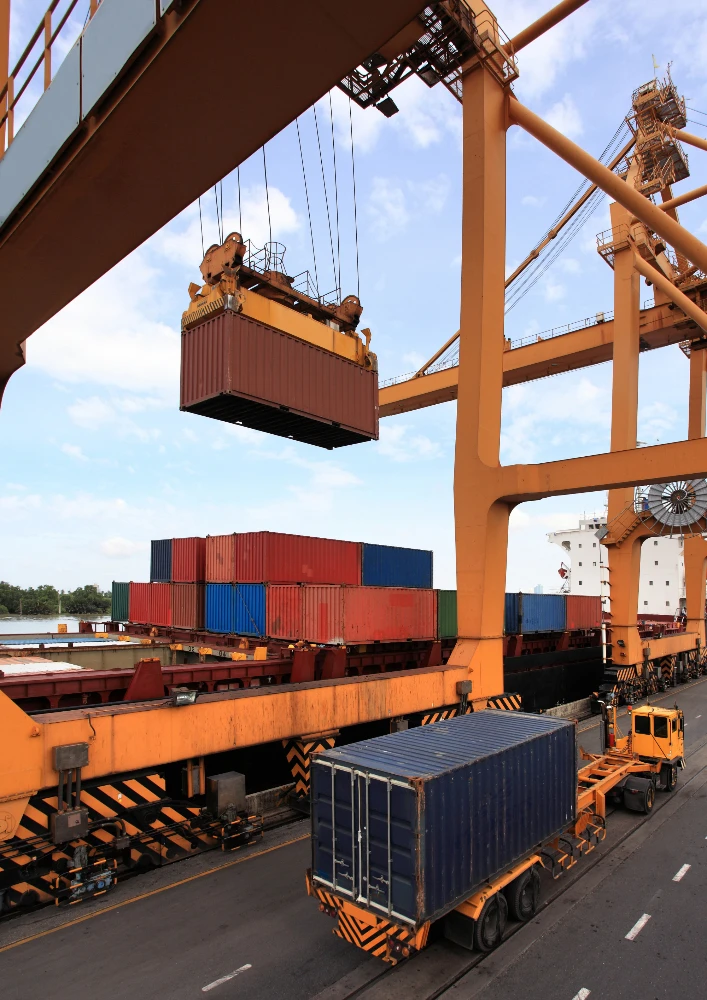

In the vast network of transit, interstate transportation services are key. They facilitate the movement of products and services across state borders. Interstate transport services are crucial, whether it's delivering consumer goods, raw materials, or industrial equipment. Here's what you must know:
1. Regulatory Compliance:
Interstate transport is subject to various regulations imposed by federal and state authorities. These regulations govern vehicle standards, driver qualifications, hours of service, and cargo transportation. Ensuring adherence to these regulations can avoid penalties and maintain operational efficiency.
2. Licensing and Permits:
Operating interstate transport services requires appropriate licensing and permits. It includes getting a Commercial Driver's License (CDL) for drivers and permits for oversized or hazardous cargo. Understanding the licensing requirements specific to each state is essential for legal operation.
3. Safety Protocols:
Safety is a top priority in interstate transport. Companies must adhere to rigorous safety measures to protect their drivers and the general public. These measures include regular vehicle maintenance, driver training programs, and adherence to safety regulations.
4. Technology Integration:
The integration of technology has revolutionized interstate transport services. From GPS tracking systems to electronic logging devices (ELDs), technology optimizes routes, improving fuel efficiency and enhancing efficiency.
5. Supply Chain Integration:
Interstate transport services are integral to supply chain management. Companies must integrate transport services with warehousing, inventory management, and distribution. It will ensure seamless operations and timely delivery of goods.
6. Environmental Sustainability:
With growing concerns about environmental sustainability, there is a push for greener practices in interstate transport. Companies are exploring alternative fuel options, optimizing routes to reduce emissions, and investing in fuel-efficient vehicles to cut their carbon footprint.
7. Insurance Coverage:
Adequate insurance coverage is essential for interstate transport services to protect against accidents, theft, or damage to cargo. Companies must assess their insurance needs and obtain comprehensive coverage to mitigate risks.
8. Customer Service:
Exceptional customer service is critical to success in interstate transport services. Timely communication, accurate tracking information, and responsive support build positive customer relationships.
9. Logistics Optimization:
Optimizing logistics is crucial for maximizing efficiency and minimizing costs in interstate transport. It includes planning routes, consolidating shipments, and leveraging technology. These tactics will simplify operations and decrease transit times.
10. Adaptability and Resilience:
Interstate transport services are adaptable to navigate inclement weather, traffic congestion, or disruptions in supply chains. Having contingency plans in place and adjusting to circumstances is vital to succeed.
11. Interstate Transport Security:
Ensuring the security of shipments during transit is paramount. With the risk of theft and tampering, companies enforce robust security measures.
It includes GPS tracking, surveillance systems, and secure packaging to protect valuable cargo and maintain the integrity of the supply chain.
12. Interstate Transport and Remote Monitoring:
The adoption of remote monitoring technologies lets real-time tracking and monitoring of shipments, providing visibility into factors such as temperature, humidity, and vibration levels.
This data enables proactive decision-making, ensuring the quality and condition of goods throughout the transport process, especially for sensitive or perishable items.
In conclusion, interstate transport services are complex and multifaceted, requiring careful attention to regulatory compliance, safety, technology integration, and customer service. By understanding these key aspects and implementing best practices, businesses can ensure smooth operations, mitigate risks, and deliver goods across state borders.

































Sign in to leave a comment.