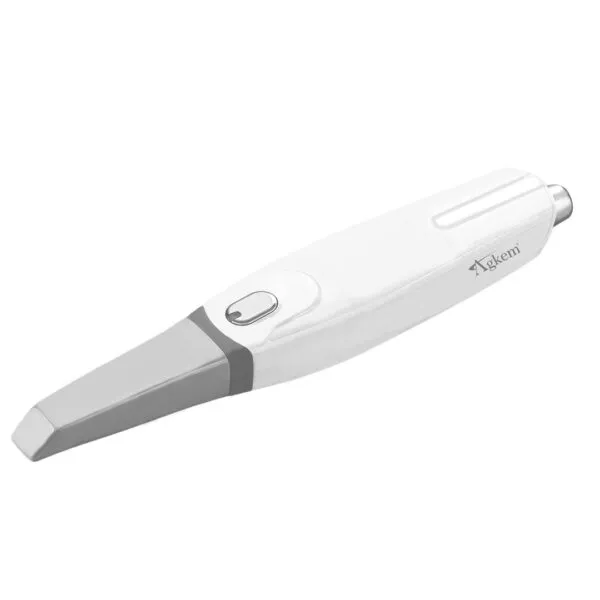

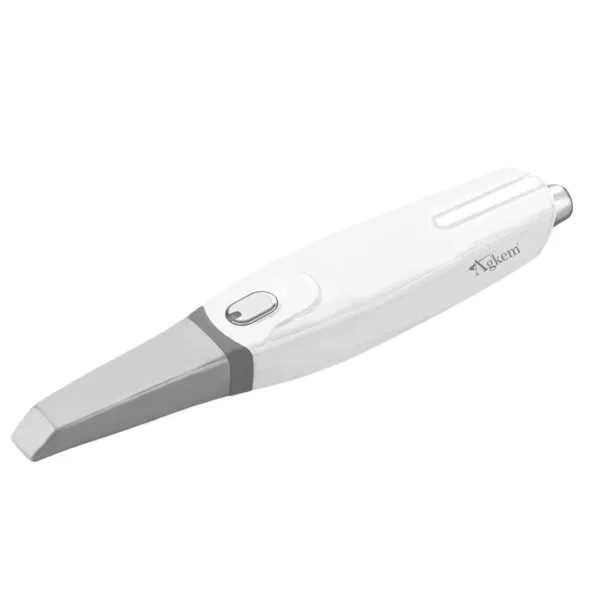
An intraoral scanner is a handheld device used to capture a digital 3D image of a patient's teeth and gums. Instead of the traditional method of filling a tray with putty like material and pressing it against the teeth, the scanner is passed gently over the mouth while a camera inside records thousands of images per second. Specialized software then stitches these individual images together into an accurate digital model that appears on a connected monitor almost immediately.
The scanning process typically takes a few minutes per arch, depending on the case and the operator's familiarity with the device. Most units use either laser or optical scanning technology to measure the surface of the teeth. Some also include features like shade matching, which records tooth color alongside shape, useful when planning restorations like crowns or veneers that need to blend naturally with surrounding teeth.
Digital models produced by an intraoral scanner can be used for a wide range of purposes. They support the design and fabrication of crowns, bridges, veneers, and clear aligners. They're also useful for monitoring changes over time, such as tracking orthodontic progress or watching for gradual wear patterns. Because the files are digital, they can be sent electronically to a dental lab or milling machine, removing the need to physically package and ship a mold anywhere.
When comparing scanners, a few factors tend to matter most. Scan speed affects both patient comfort and appointment length, since a faster scan means less time holding still with the wand in the mouth. Accuracy is another key factor, particularly for full arch cases where even small errors can add up noticeably across multiple teeth. File format compatibility is also worth checking beforehand, since some labs or software systems only work smoothly with certain open or proprietary file types.
Ease of use is often underestimated but matters for day to day operation. A scanner with a straightforward interface and a manageable learning curve allows staff to get comfortable with it faster, reducing the chance of scanning errors or repeated scanning attempts. Portability and the physical size of the wand can also affect patient comfort, particularly for those with a smaller mouth or a strong gag reflex.
Clinics that buy intraoral scanner equipment usually look for a balance of these factors rather than focusing on a single specification. Agkem offers scanners built around this kind of everyday practicality, with close attention to scan speed, image accuracy, and ease of integration with common dental software systems. Understanding how the technology actually works and what to prioritize makes it considerably easier to choose equipment that fits both clinical needs and daily workflow, rather than selecting based on price or marketing claims alone.

























Sign in to leave a comment.