
Introduction
Choosing between invisible aligners and traditional braces is one of the most common questions patients ask when they first consider orthodontic treatment. Both options can straighten teeth, fix bite problems, and give you a smile you feel confident about, but they work in very different ways and suit different lifestyles. If you are weighing your options, understanding how each treatment works, what it costs, how it feels day to day, and how long it takes can help you make a choice that fits your needs rather than simply following a trend. This article breaks down the real differences between invisible aligners and traditional metal braces so you can walk into your next appointment with clear questions and realistic expectations.
What Are Traditional Braces
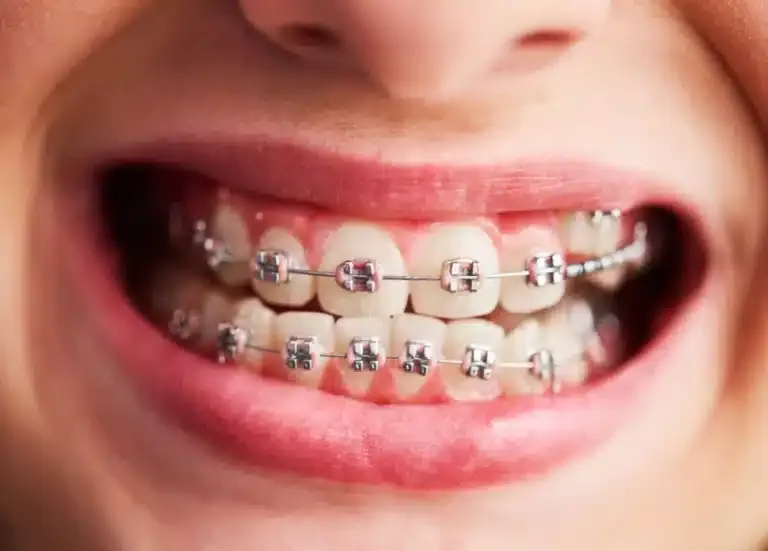
Traditional braces have been the standard orthodontic treatment for decades and remain a reliable choice for many patients today. They consist of metal or ceramic brackets bonded to the front of each tooth, connected by a thin archwire that guides teeth into proper position over time. Periodic tightening appointments allow the orthodontist to adjust the pressure applied to your teeth, gradually shifting them into alignment. Braces are fixed in place, which means there is no risk of forgetting to wear them, an advantage for patients, especially younger ones, who might not be consistent with removable devices. They also tend to handle complex bite issues, severe crowding, and significant rotations more predictably than aligners in some cases. The tradeoff is visibility and some initial discomfort as the mouth adjusts to brackets and wires, along with dietary restrictions on sticky or hard foods that could damage the hardware. For patients who need a robust, no fuss solution and are less concerned about the metal appearance during treatment, braces still offer proven results.
What Are Invisible Aligners
Invisible aligners are clear, removable trays custom made to fit snugly over your teeth. Each set of aligners is worn for one to two weeks before being replaced with the next in a series, each one nudging teeth slightly closer to their final position. Because the trays are transparent, they are far less noticeable than metal brackets, which is why they have become popular with adults and image conscious teenagers alike. Aligners can be taken out for eating, brushing, and flossing, making oral hygiene simpler during treatment compared to navigating around wires. Many clinics now use digital scanning to plan the entire treatment virtually before the first tray is even made, so patients can see a projected outcome early on. Aligners work well for mild to moderate misalignment, spacing issues, and minor bite corrections, though success depends heavily on wearing them for the recommended twenty to twenty two hours a day. Skipping wear time is the most common reason aligner treatment takes longer than planned.
Comparing Cost
Cost is often the deciding factor for many families. Traditional braces are generally the more affordable option, particularly for complex cases that would otherwise require longer aligner treatment or additional refinement trays. Invisible aligners tend to carry a higher price tag because of the customized manufacturing process and the technology used to plan each stage of movement. That said, the price gap has narrowed over the past few years as more clinics offer aligner systems at competitive rates. When comparing costs, ask whether the quoted price includes retainers after treatment, replacement trays if one is lost or damaged, and follow up visits. A clinic that offers a transparent, itemized estimate makes it easier to compare true costs rather than just the headline number. It is worth getting a consultation at a dental clinic in thalassery residents trust, since local pricing and payment plans can vary and an in person assessment gives a more accurate quote than an online estimate.
Comparing Comfort and Appearance
Appearance is usually the first thing people think about when comparing these two treatments. Aligners are nearly invisible and can be removed for photos, presentations, or special occasions, which appeals to adults in professional settings. Braces are visible throughout treatment, though ceramic or tooth colored brackets can reduce how noticeable they are. In terms of comfort, aligners are generally smoother against the cheeks and gums since there are no wires or brackets to cause irritation, though the pressure of a new tray can cause temporary tightness for a day or two. Braces can cause more noticeable soreness after adjustments and occasional cuts from wires, though wax and other tools can ease this. Neither option is painful in the long run, but if day to day comfort and low visibility matter most to you, aligners usually come out ahead, while braces may feel more secure to patients who worry about losing or forgetting a removable device.
Comparing Treatment Time and Effectiveness
Treatment time depends heavily on the complexity of the case rather than the method alone. Mild to moderate cases can often be resolved with aligners in six months to a year, sometimes faster than comparable braces treatment for the same issue. Severe crowding, significant bite misalignment, or cases involving jaw correction tend to respond more predictably to braces, which can apply continuous, fixed pressure regardless of patient compliance. Aligner success is closely tied to discipline, since trays only work if worn as instructed, while braces work whether or not the patient thinks about them daily. An orthodontist can evaluate your bite, crowding, and dental history to give a realistic timeline for either option. This is where a hands on evaluation matters more than general advice found online, since two people with seemingly similar smiles can have very different underlying issues that affect which treatment will actually be faster and more effective for them.
Which Option Suits Different Cases
Some situations naturally lean toward one treatment over the other. Patients with severe overcrowding, significant overbites or underbites, or teeth that need to be rotated substantially often do better with traditional braces because of the consistent, non removable pressure. Patients with mild spacing, minor crowding, or teeth that have shifted slightly after previous orthodontic work are usually excellent candidates for aligners. Age also plays a role, since younger patients who might lose or forget removable aligners are sometimes better suited to braces, while responsible teenagers and adults can manage aligner routines without much trouble. Lifestyle matters too. Musicians who play wind instruments, competitive swimmers, or people in client facing careers might have strong personal reasons for preferring one option over the other beyond just the clinical recommendation. The best approach is to discuss your specific daily routine and long term goals with your dentist so the recommendation fits your life, not just your teeth.
Making Your Decision
There is no universally correct answer between invisible aligners and traditional braces since so much depends on your bite, budget, lifestyle, and personal preference. The most reliable way to decide is to get a professional assessment that looks at your dental history, the complexity of your alignment issues, and your ability to stick to a treatment routine. Many people find it helpful to visit a dental clinic kottakkal families have relied on for years, where the dentist can walk through both options using your own X-rays and scans rather than generic examples. Ask about expected treatment time, total cost including retainers, and what happens if your case turns out to be more complex than initially expected. A clear conversation upfront prevents surprises later and helps you commit fully to whichever path you choose.
Conclusion
Both invisible aligners and traditional braces can deliver a straighter, healthier smile when used correctly and consistently. Aligners suit patients who want a discreet, removable option for mild to moderate corrections, while braces remain the dependable choice for more complex cases or patients who prefer a fixed solution. Rather than choosing based on trends or what a friend used, base your decision on a professional evaluation of your teeth and your ability to follow through with the required routine. If you are still unsure which path fits you best, booking a consultation at a reputable dental clinic in malappuram is a practical first step, giving you a clear, personalized recommendation instead of guesswork.

























Sign in to leave a comment.