
In the digital age, identity online has become a cornerstone of security, trust, and reputation. While usernames, passwords, and biometric verification are widely discussed, few realize that IP addresses play a critical role in shaping internet identity. Originally designed as simple technical markers to route traffic between devices, IP addresses have evolved into key identifiers that influence how individuals, businesses, and networks are recognized in the online ecosystem.
The Role of IP Addresses in Digital Identity
An IP address functions as a unique identifier for devices connected to the internet, enabling seamless communication across networks. Beyond this technical function, IP addresses have become closely linked with digital identity. Internet service providers, security systems, and online platforms increasingly use IP intelligence to verify the legitimacy of users, assess risk, and prevent fraudulent activities. In this sense, IP addresses act as a silent fingerprint of online behavior, indirectly shaping how identities are verified and trusted across the internet.
For businesses, the importance of IP addresses extends beyond day-to-day connectivity. Enterprises with stable and well-managed IP resources often enjoy better online reputation, higher email deliverability, and improved access to cloud services. Platforms can track the history of an IP address to determine reliability, enforce compliance, or detect malicious activity. In other words, an organization’s IP range has become a foundational component of its internet identity, influencing trust and credibility on a global scale.
IPv4 Scarcity and IP as Digital Capital
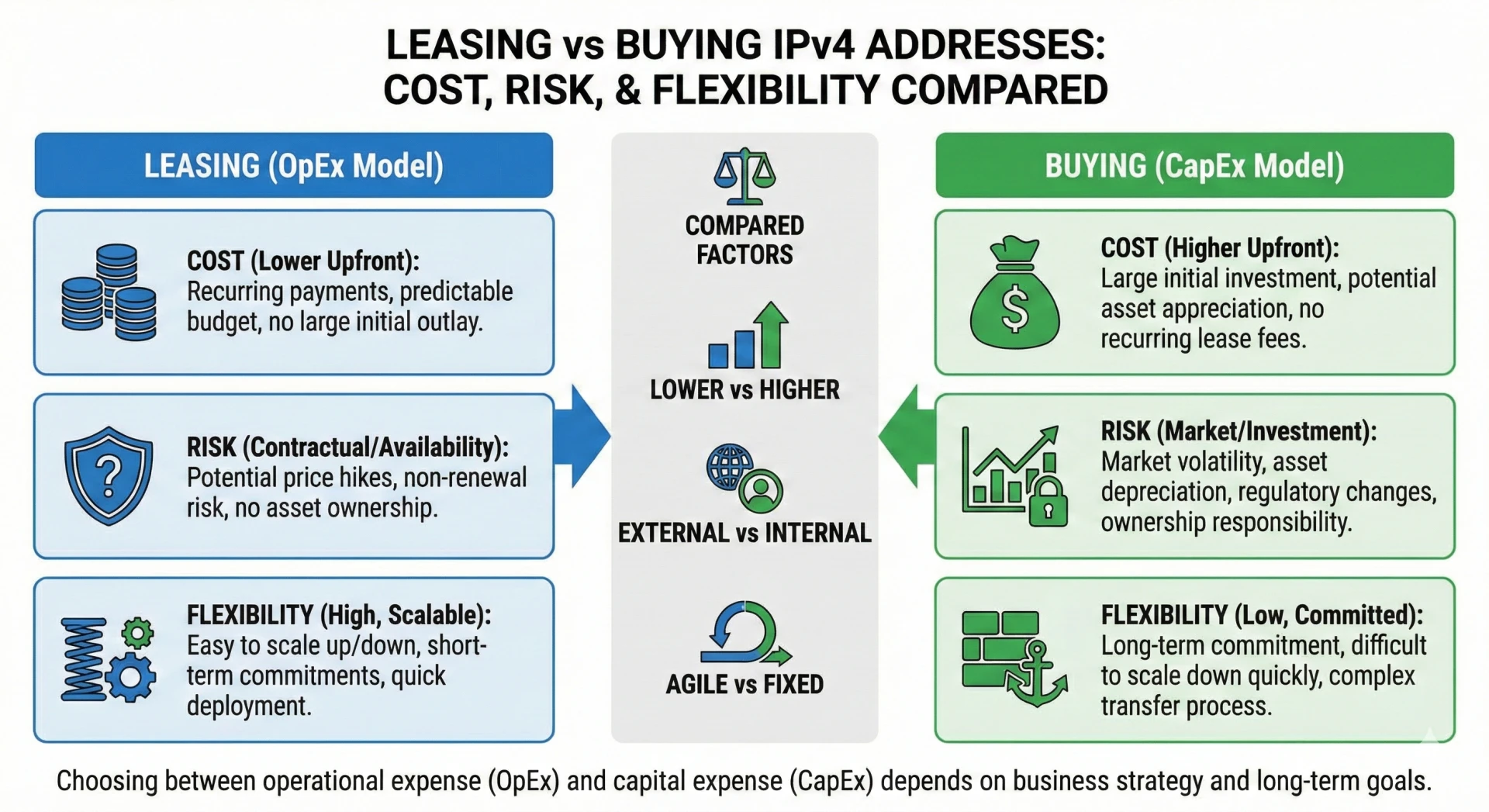
The scarcity of IPv4 addresses has further elevated their strategic importance. With the majority of IPv4 blocks already allocated, organizations increasingly treat IP addresses as valuable digital assets. Leasing, buying, and holding IP addresses are now common practices among enterprises seeking continuity and stability in their online presence. A well-maintained IPv4 range with a strong reputation can significantly enhance a company’s digital footprint and online trustworthiness.
In this context, IP addresses are no longer just technical identifiers—they have become a form of digital capital. Just as physical infrastructure or spectrum licenses convey long-term value, IP addresses now represent both operational capability and online credibility. Enterprises that manage IP resources responsibly are more likely to gain favor with partners, service providers, and cybersecurity systems.
The Future of Internet Identity
As the internet continues to evolve, internet identity is becoming more layered and infrastructure-driven. While emerging technologies like decentralized identity, blockchain credentials, and digital wallets are reshaping personal authentication, they still rely on underlying network resources. IP addresses remain a fundamental building block, providing location data, network attribution, and risk signals that help establish trust.
The future may also see IP addresses integrated into hybrid identity models that combine cryptographic verification with network-based reputation. In such models, a user or organization’s IP history, connectivity patterns, and compliance record could complement digital credentials, creating a more robust and verifiable internet identity.
Conclusion
IP addresses are quietly redefining how identity is understood and managed online. From enabling device connectivity to acting as long-term markers of reputation and trust, IP addresses are central to the future of digital identity. For businesses and individuals alike, understanding the strategic value of IP addresses—and managing them effectively—will be essential in navigating the increasingly complex digital landscape. As the internet continues to mature, IP addresses will not just connect devices—they will help define who we are online.



























Sign in to leave a comment.