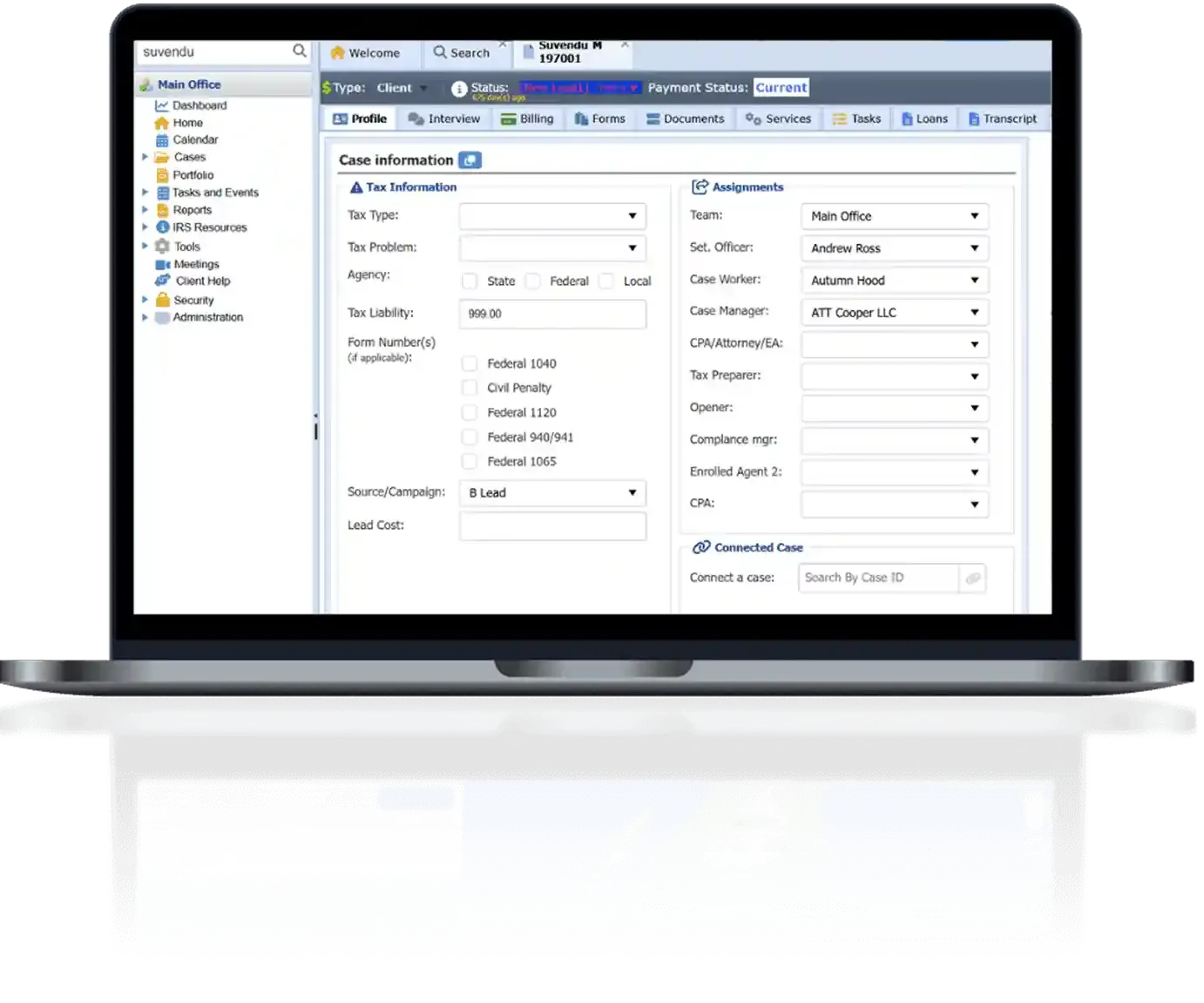

Navigating the IRS labyrinth without proper tools is like using a paper map in the age of GPS. That’s where IRS software comes in—a category of digital solutions designed to help tax professionals and individuals communicate with the IRS, file returns, resolve notices, and manage audits efficiently. Whether you’re a CPA handling hundreds of clients or a small business owner facing a tax lien, the right IRS software can turn months of back-and-forth into days of automated processing.
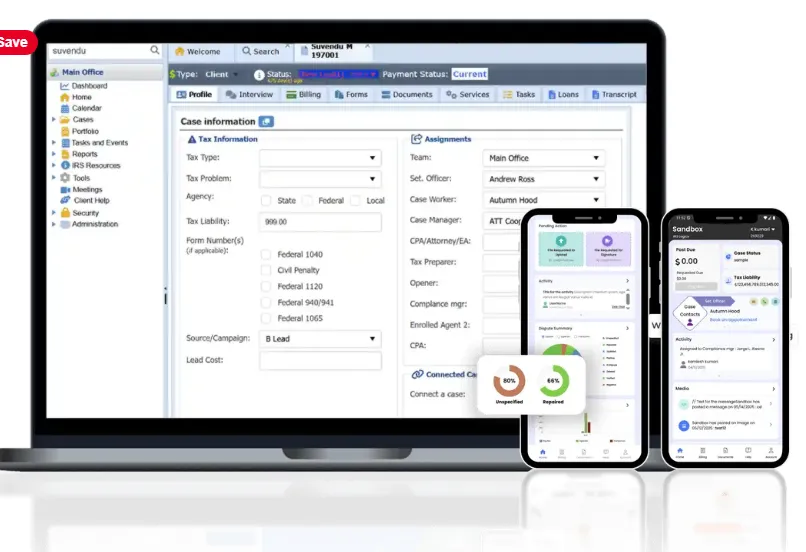
At its core, IRS software streamlines interactions with the federal tax collector. Instead of mailing paper forms and waiting six weeks for a reply, you can e-file powers of attorney (Form 2848), request tax transcripts, and submit offers in compromise directly through IRS-approved platforms. Many solutions integrate with the IRS e-Services portal, pulling wage and income transcripts, account transcripts, and return transcripts in seconds. This instant access is critical when a client walks in with an IRS notice demanding payment within 30 days—you need to verify their withholding and filing history immediately.
Beyond transcript retrieval, advanced IRS software includes resolution modules. For example, if a client owes back taxes, the software can calculate the exact penalty and interest accrual as of today’s date, then generate a Form 9465 (installment agreement request) pre-filled with the client’s financial data. Some platforms even run automated “penalty abatement eligibility” checks—applying IRS guidelines for first-time penalty relief or reasonable cause—and produce a draft letter for you to review and sign. This eliminates hours of manual calculation and form lookup.
For tax resolution firms, IRS software often includes notice tracking. The IRS sends over 200 million notices annually, each with a unique code (CP501, CP504, LT11, etc.). Good software categorizes these notices, explains what they mean, and prescribes the appropriate response. You can set up automatic workflows: when a CP504 notice (intent to levy) arrives, the system assigns a specialist, generates a deadline for filing a Collection Due Process request, and sends a templated email to the client. No more missed deadlines or lost notices.
Another powerful feature is audit representation support. IRS software can organize document requests, create a timeline of IRS contacts, and even generate response letters for specific information document requests (IDRs). Some premium platforms include AI that scans IRS correspondence and suggests the most likely resolution path based on historical data from thousands of similar cases.
Security is non-negotiable. Look for IRS software that is “IRS e-Services compatible” and uses 256-bit encryption, multi-factor authentication, and automatic session timeouts. Cloud-based options like Canopy, TaxCaddy, or PitBull Tax Software offer mobile apps so you can check a client’s IRS transcript while waiting for a meeting. Pricing ranges from $50–$200 per month for solo practitioners to enterprise plans with unlimited cases. Remember: the IRS is moving toward digital-only communication. Investing in IRS software today positions your firm for the future—and saves you from drowning in paper.




























Sign in to leave a comment.