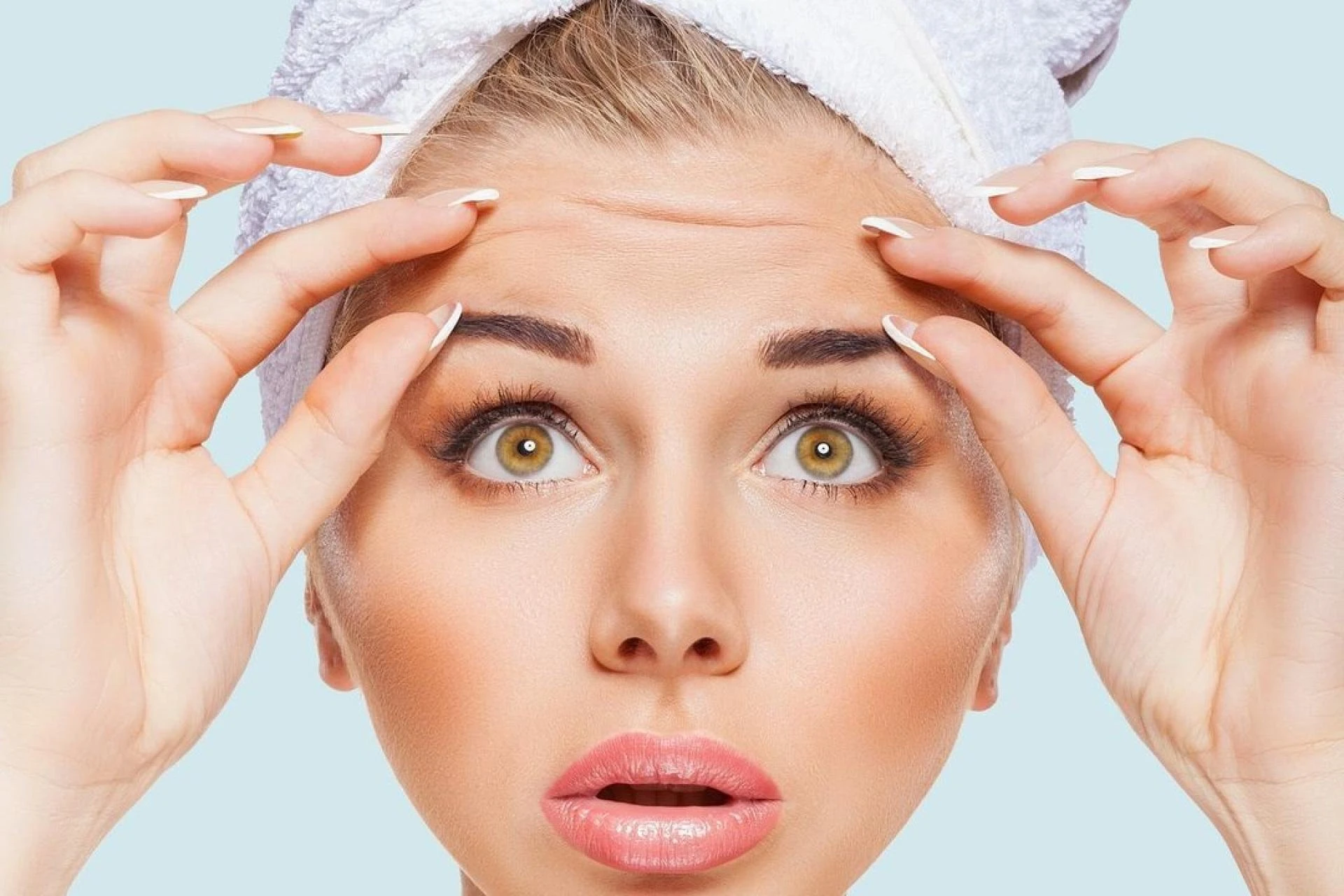

Botox is one of the most popular non-surgical cosmetic treatments worldwide. Known for its ability to reduce the appearance of fine lines and wrinkles, it is frequently used around the eyes to smooth out crow’s feet and lift the brow area. But despite its popularity, many people still ask the critical question: is Botox bad for your eyes? The short answer is no—when administered correctly by a qualified professional, Botox is generally safe. However, understanding the potential risks, side effects, and proper usage around the eyes is essential for ensuring a safe experience. If you’re considering a Botox injection in Islamabad, it’s important to be informed and consult with trusted specialists.
Understanding Botox and How It Works
Botox is a purified form of botulinum toxin type A. It works by temporarily blocking nerve signals to muscles, which results in reduced muscle activity. When injected into specific areas, such as around the eyes or forehead, it can relax the muscles that cause wrinkles, creating a smoother, more youthful appearance. While Botox is commonly used for cosmetic purposes, it’s also FDA-approved for several medical conditions, including chronic migraines, excessive sweating, and even muscle spasms around the eyes (blepharospasm).
Botox Use Around the Eyes
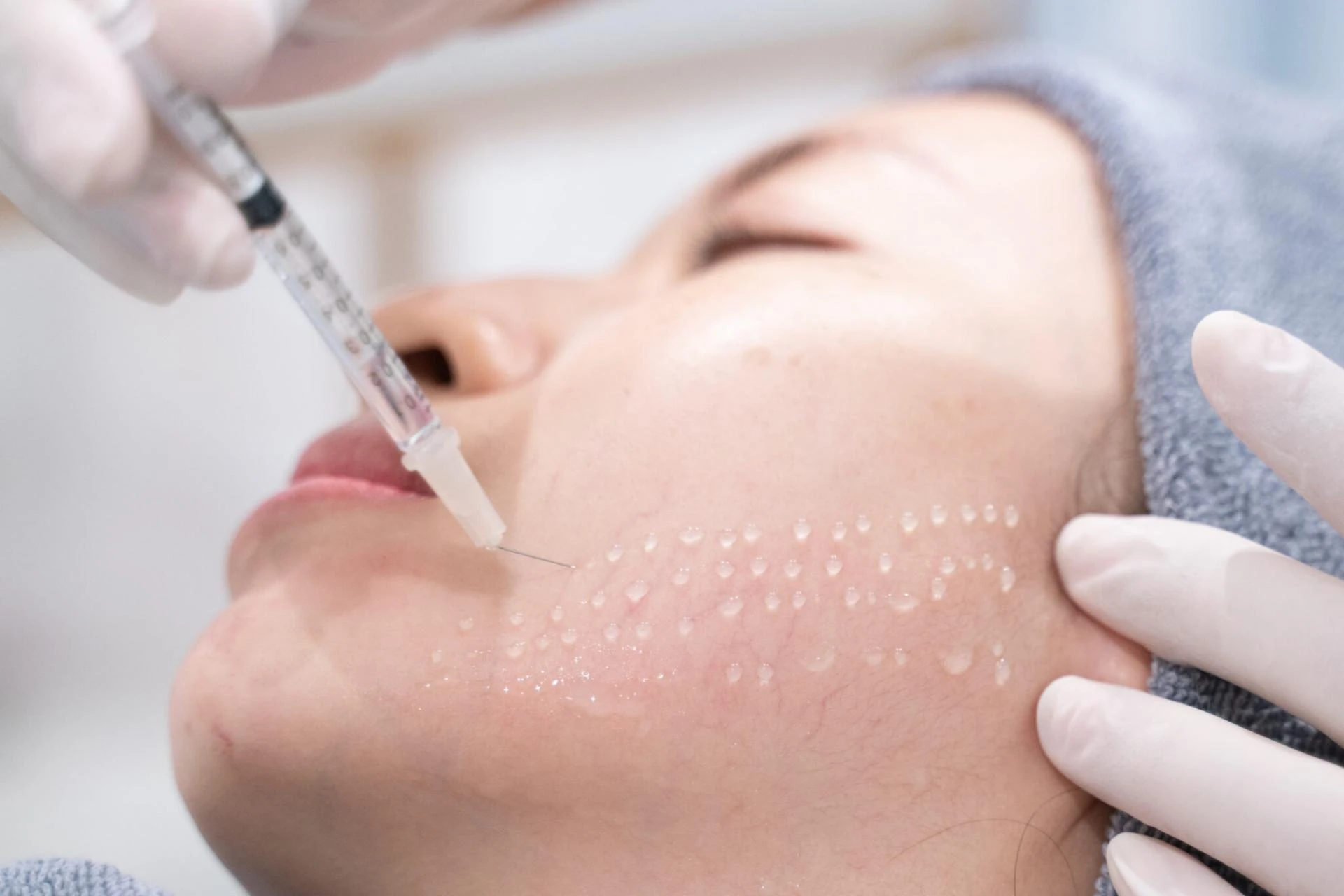
The area around the eyes is one of the most delicate parts of the face. Thin skin and sensitive muscles mean that precise application is critical. Botox is frequently used in the outer eye region to reduce crow’s feet and to lift a drooping brow. In these cases, when administered by a qualified professional, Botox is both effective and safe. The injections are small and targeted, making adverse effects rare when the procedure is done correctly. However, complications may arise if injections are incorrectly placed, too much product is used, or the injector lacks experience.
Potential Side Effects of Botox Near the Eyes
Although Botox is generally considered safe, especially when used by skilled practitioners, there are some potential side effects—especially when used near the eyes. These may include:
- Drooping eyelids (ptosis): This can happen if the Botox spreads beyond the intended area.
- Dry eyes or excessive tearing: The balance of moisture in the eyes may be temporarily disrupted.
- Blurred vision or double vision: This is rare but may occur if the toxin affects surrounding muscles controlling the eye.
- Swelling or bruising: Minor and temporary side effects like these are common but usually resolve within a few days.
It's essential to note that these effects are typically short-lived and can be minimized with proper injection techniques.
How to Reduce the Risks
The key to minimizing risks is choosing a qualified and experienced provider. Botox is a technique-sensitive treatment, and results heavily depend on the skill of the injector. To reduce risks around the eyes, make sure to:
- Choose a certified clinic or dermatologist with a proven track record.
- Avoid taking blood-thinning medications like aspirin before the procedure (unless prescribed).
- Refrain from rubbing or touching the treated area for at least 24 hours post-injection.
- Follow all aftercare instructions provided by your doctor.
If you’re opting for a Botox injection in Islamabad, always select a reputable clinic that specializes in facial aesthetics and understands facial anatomy thoroughly.
Medical Uses of Botox Near the Eyes
Interestingly, Botox isn’t only used cosmetically near the eyes—it’s also been a medical game-changer. For example, Botox is used to treat blepharospasm, a condition that causes involuntary blinking or eye twitching. It can also be beneficial in treating strabismus, a condition where the eyes do not align properly. In these cases, Botox helps by temporarily weakening the muscles causing the issue, allowing the eyes to align or relax. These medical uses have been studied extensively and have proven to be effective and safe when administered by specialists.
Myths and Misconceptions
A common misconception is that Botox can cause blindness. While this fear is understandable given the sensitivity of the eye area, it’s largely unfounded when Botox is used correctly. Blindness from Botox is exceedingly rare and usually occurs only in instances where extremely high doses are used inappropriately. Another myth is that Botox "freezes" your face completely. In truth, when applied professionally and in the correct amount, Botox simply softens expression lines without affecting your natural facial expressions.
When to Seek Medical Attention
Although side effects from Botox near the eyes are rare, it’s crucial to be vigilant. If you experience any of the following symptoms after receiving Botox, you should consult your doctor immediately:
- Persistent or severe eye pain
- Vision changes that do not resolve
- Signs of infection at the injection site
- Difficulty closing your eyes
Prompt medical attention can ensure any complications are managed quickly and effectively.
Conclusion: Is Botox Really Bad for Your Eyes?
In conclusion, Botox is not inherently bad for your eyes. When performed by a trained and experienced professional, it’s a highly effective and safe method for both cosmetic and medical enhancements near the eye area. The most important factor is ensuring you’re in the hands of a reputable clinic with expertise in facial anatomy and aesthetics. If you’re interested in trying Botox for the first time or continuing your treatments, Royal Cosmetic Surgery PK offers safe, expertly administered procedures to help you achieve your desired results.

























Sign in to leave a comment.