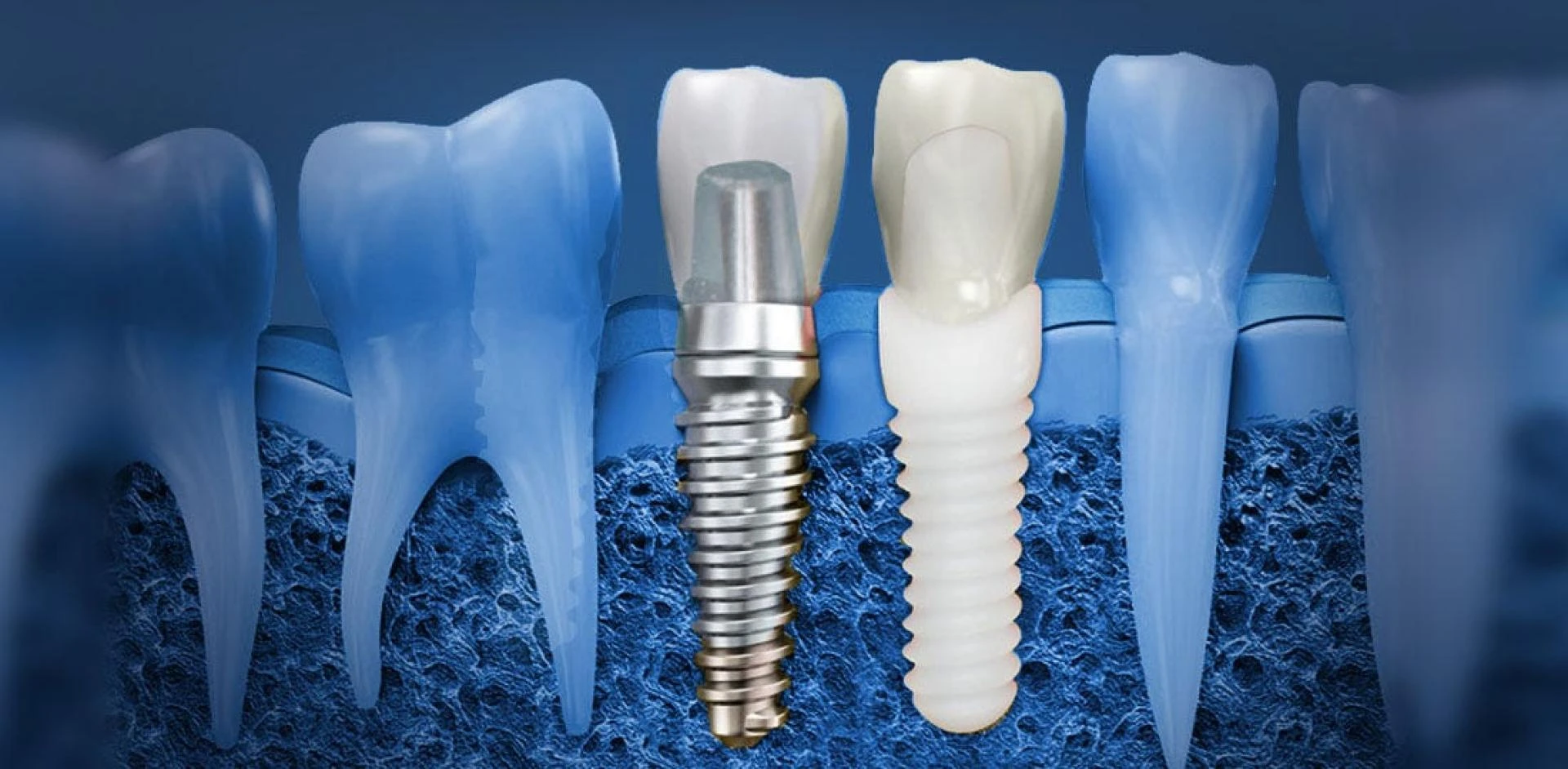

Dental implants are widely known as the gold standard for replacing missing teeth, promising durability, aesthetics, and functionality. But beyond the glossy brochures and dentist consultations, there are important insights that often go unspoken. Whether you're just beginning your research or seriously considering getting a dental implant in Islamabad, understanding the lesser-known facts can help you make an informed decision.
Healing Time is Longer Than Expected
Most patients are told that the procedure is safe and routine, which is true. However, the full healing process after getting a dental implant can take several months. While the surgery itself might take only an hour or two, the bone integration phase—known as osseointegration—can last up to six months. This means your final crown might not be placed immediately. Temporary restorations may be used during this period, but the wait can be surprising to those expecting instant results.
It’s Not Just About the Tooth
Dental implants are often marketed as a single solution for a single missing tooth. What many don’t realize is that it involves more than replacing the visible tooth. You’re replacing both the root and the crown, which involves your jawbone, gums, and surrounding tissue. The health of your entire mouth will be taken into account, and if you have gum disease or insufficient bone density, additional treatments like bone grafting or gum therapy may be required before the implant can be placed. These procedures can increase both the time and cost involved in the process.
There’s a Psychological Adjustment
While most people are focused on the physical aspect of implants, there’s also a psychological shift that occurs. After living with a missing tooth, getting a permanent implant may take some getting used to. Some people feel an initial awkwardness while chewing, speaking, or smiling, especially in the first few weeks. Others experience a sudden emotional uplift due to the restored confidence. This emotional rollercoaster isn’t often discussed, but it’s a real part of the journey.
Maintenance is Still Mandatory
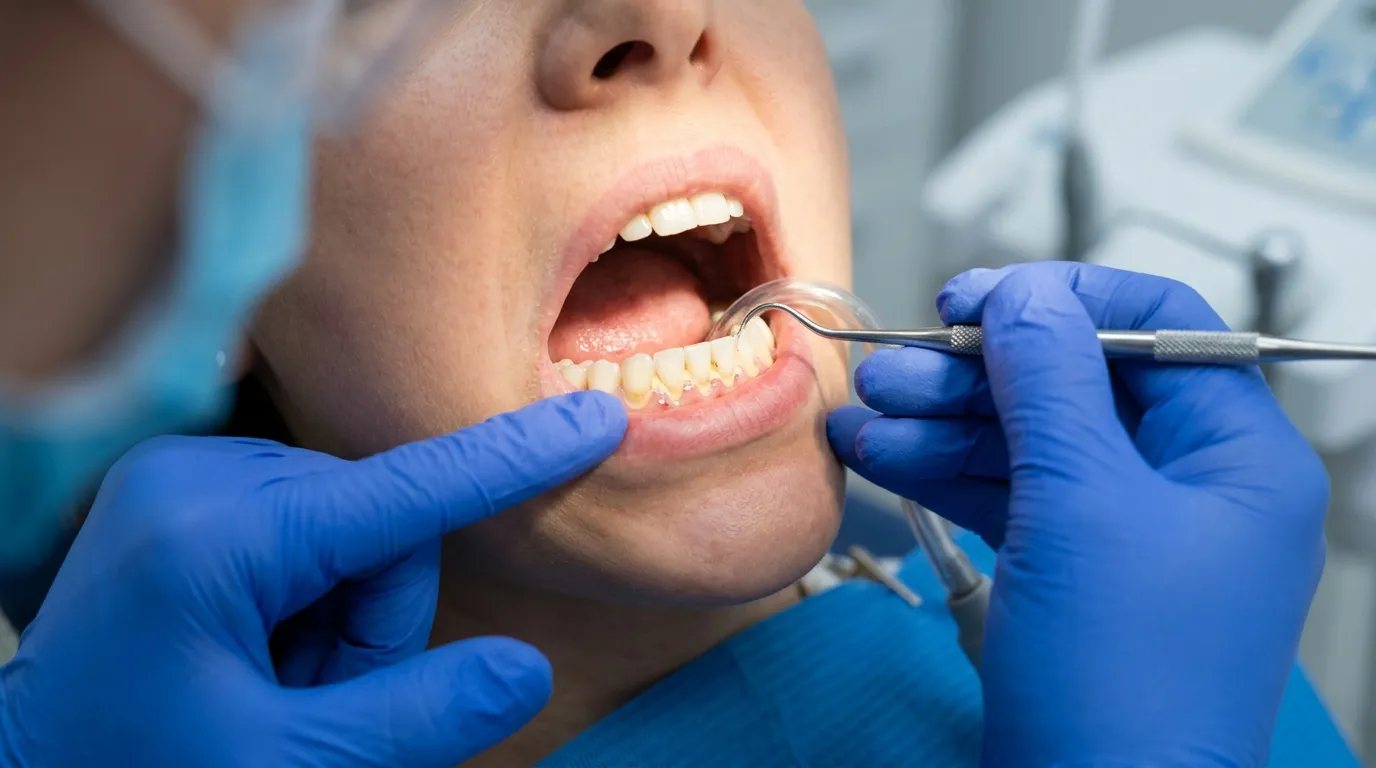
One of the most misunderstood aspects of dental implants is the belief that they are maintenance-free. While implants don’t get cavities, the surrounding gum tissue can still get infected—a condition called peri-implantitis, which is similar to gum disease. Daily brushing, flossing, and regular dental checkups are essential. Skipping oral hygiene can lead to implant failure over time, something many patients only realize after the damage is done.
You Might Not Be the Right Candidate
Not everyone is a suitable candidate for dental implants, although this is rarely mentioned upfront. Conditions like uncontrolled diabetes, smoking, autoimmune diseases, or a history of radiation therapy in the jaw can complicate healing or cause the implant to fail. A thorough health evaluation is necessary before committing. Even age can play a role; young patients whose jawbones are still developing may be advised to wait.
There Are Cost Considerations Beyond the Implant
When you see an advertised price for dental implants, it often reflects only the cost of the implant screw itself—not the abutment or crown that sits on top. Also, as mentioned earlier, you may need bone grafts, sinus lifts, or other preparatory procedures. These additional treatments can significantly raise the overall expense. It's vital to get a complete breakdown from your dental surgeon so you're not blindsided by hidden costs later.
Implants Can Fail—Though Rarely
The success rate of dental implants is generally high, typically above 95%. However, failure is still possible, especially if proper post-operative care isn’t followed. Factors like infection, improper placement, excessive bite force, or underlying health conditions can compromise the implant. Patients need to be aware of these risks to avoid a false sense of guarantee and to ensure they follow all recovery protocols strictly.
Eating Restrictions May Apply Initially
After the implant is placed, your dentist may advise you to follow a soft food diet for several weeks. This is crucial for the healing process, but it can come as a surprise to people expecting a quick return to normal eating habits. Chewing on the implant site can disrupt healing, increase pain, or even dislodge the implant if not handled carefully.
Speech Might Be Affected Temporarily
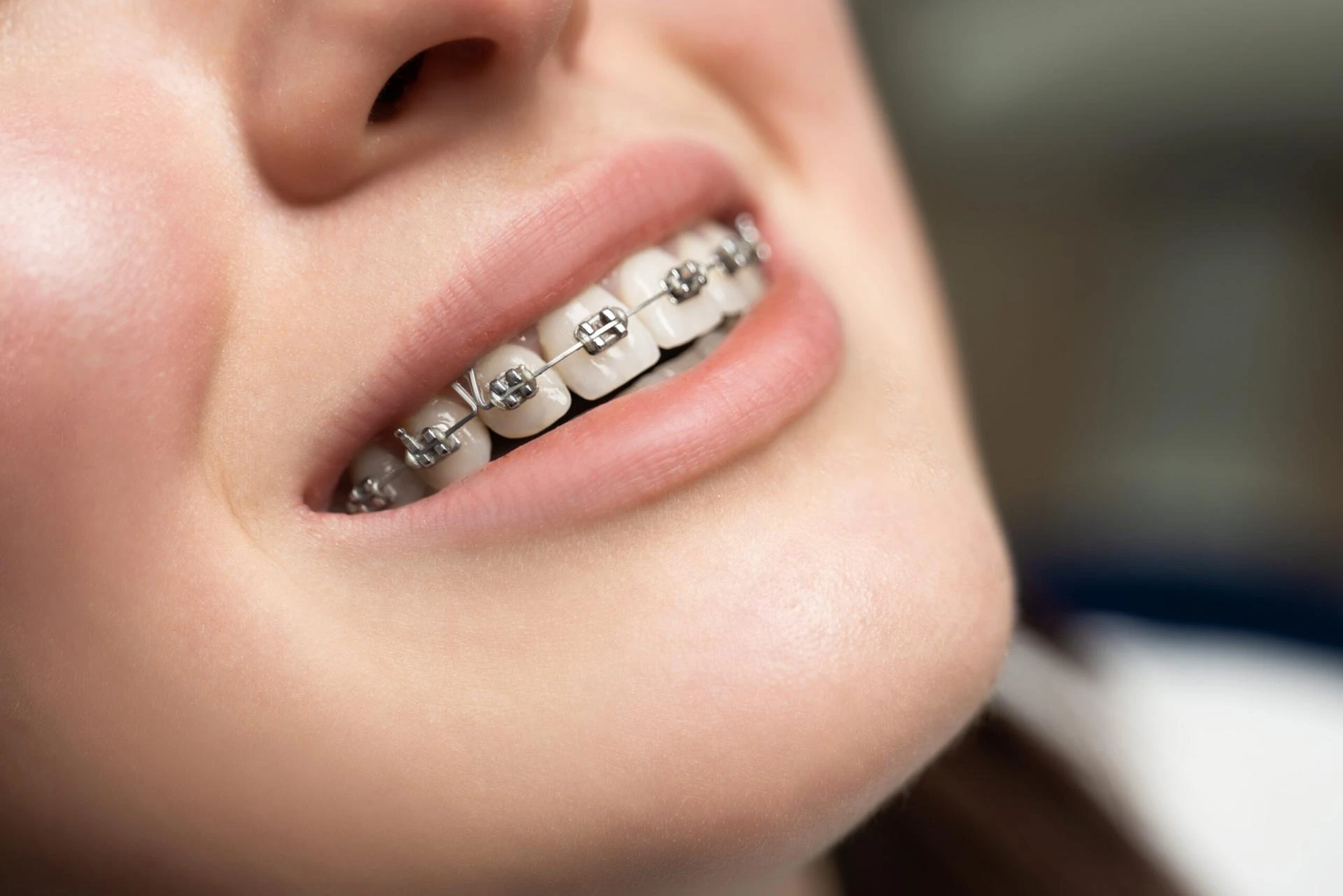
Depending on the location of your implant, you might experience slight changes in your speech initially. Just like getting used to dentures or braces, your tongue and mouth muscles need time to adapt to the new fixture. This is particularly true for implants placed in the front or upper jaw. With practice and time, normal speech returns, but it's good to be aware of the initial adjustment phase.
You’ll Likely Need a Specialist
General dentists may offer dental implants, but the best results often come from specialists like oral surgeons or periodontists. These professionals have additional training and experience that can significantly improve the outcome of your treatment. Choosing a qualified specialist can also reduce the risk of complications and implant failure.
It's a Long-Term Investment in Your Health
Though dental implants require a more extended timeline and greater upfront cost than alternatives like dentures or bridges, they offer a long-term solution. With proper care, they can last decades or even a lifetime. This makes them not only a cosmetic enhancement but also a functional and health-conscious decision that supports jawbone integrity and prevents future dental issues.
In conclusion, dental implants are a fantastic option for many people, but there’s more to the story than what you typically hear during a consultation. From the extended healing time and maintenance requirements to psychological adjustments and hidden costs, it’s essential to be fully informed before proceeding. If you're considering a dental implant in Islamabad, make sure to consult with experts who prioritize transparency and patient education. For comprehensive dental solutions and trustworthy care, visit Royal Cosmetic Surgery PK.

























Sign in to leave a comment.