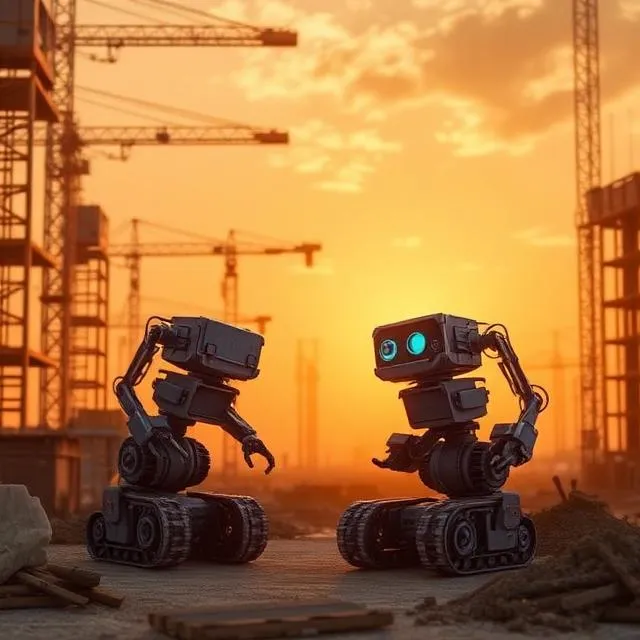

Is construction robotics actually being deployed at scale, or is it still mostly pilot programs? Bricklaying robots, rebar-tying robots, autonomous site survey drones, and robotic total stations have all generated genuine media attention over the past several years, each accompanied by demonstrations showing dramatic productivity gains over manual methods. Widespread commercial deployment across the industry tells a more limited story than the coverage suggests, with real, durable adoption concentrated in a narrower set of applications than the broader "robots are automating construction" narrative implies.
What the Data Actually Shows
Construction robotics has moved well past the earliest experimental stage for a handful of specific, narrow applications, while remaining largely pilot-stage or commercially marginal for most of the broader tasks robots have been developed for. Autonomous and semi-autonomous site survey and progress-monitoring robots ground-based units and drones capturing site conditions represent the most commercially mature category, with genuine, repeatable commercial deployment across a meaningful number of active construction sites. Robotic total stations, which automate a specific surveying task rather than a broad construction activity, have similarly achieved durable, mainstream adoption within the surveying profession specifically.
Task-specific robots aimed at labor-intensive trade activities bricklaying, rebar tying, drywall finishing, concrete demolition tell a different story. Several of these have moved from pure prototype into limited commercial deployment, but "limited" is the operative word: adoption remains concentrated among a small number of larger contractors and specialty applications, rather than becoming a standard tool available broadly across the trade. The gap between "a real product exists and has been used on real projects" and "this is now how the task is commonly performed" remains wide for most task-specific construction robots.
Where Construction Robotics Has Found Genuine, Durable Traction
Site survey and progress monitoring. Autonomous ground robots and drones capturing site conditions on a repeated schedule have achieved the clearest commercial traction, largely because this application doesn't require the robot to perform delicate physical construction work it needs to navigate a site and capture data, a task robotics technology handles more reliably than the fine physical manipulation required for trade work.
Surveying and layout. Robotic total stations and automated layout tools have become standard equipment within professional surveying, representing genuine, mainstream commercial adoption rather than a pilot-stage technology, largely because this application automates a well-defined, repeatable measurement task rather than a variable physical construction process.
Repetitive, structured tasks in controlled environments. Robotic applications within prefabrication and modular construction facilities where conditions are controlled, tasks are highly repetitive, and the environment doesn't have the variability of an active job site have achieved more durable commercial deployment than equivalent robotic applications attempted directly on unpredictable field construction sites.
Where the Deployment Case Remains Genuinely Limited
Trade-specific field robots face real site variability challenges. Construction sites are inherently less structured and predictable than a factory floor, and robots designed for specific trade tasks bricklaying, finishing work frequently struggle with the variability of real job site conditions in ways that limit their reliability and, consequently, their broad commercial adoption compared to how they perform in more controlled demonstration settings.
Capital cost and utilization economics remain a genuine barrier for many contractors. Task-specific construction robots typically represent a significant capital investment, and the economics only favor adoption for contractors with sufficiently large, consistent volumes of the specific task the robot performs a barrier that keeps adoption concentrated among larger firms and specific project types rather than broadly distributed across the industry.
Integration with existing project workflows and data isn't always mature. A robot that performs its physical task well but doesn't integrate cleanly with the project's existing BIM model, schedule, and documentation workflow creates additional coordination overhead that can offset some of the productivity gain the robotic task itself delivers.
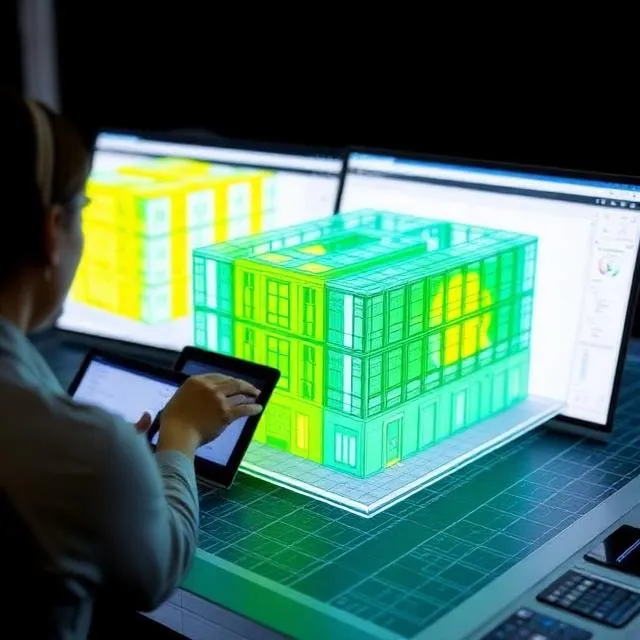
BIM coordination services that maintain accurate, current coordinated models give construction robotics applications particularly autonomous layout and progress-monitoring systems that rely on comparing actual site conditions against the design model a reliable reference to operate against, rather than an outdated or loosely coordinated model that limits how effectively site robotics can actually verify and act on real conditions.
What Would Actually Need to Change for Broader Deployment
Moving task-specific construction robotics from limited commercial deployment to broad industry adoption likely requires continued improvement in field reliability under real site variability, capital cost reductions or rental/service models that lower the utilization threshold needed to justify adoption, and considerably more mature integration between robotic task execution and the BIM models and project data that increasingly drive how construction projects are actually managed.
Structural BIM services that produce fabrication-level accurate structural models give prefabrication-based robotic applications which have found their clearest commercial traction in controlled factory settings the precise digital input those systems depend on, supporting the specific application category where construction robotics has actually achieved durable commercial success rather than remaining pilot-stage.
Key Statistics
- Autonomous survey and progress-monitoring robotics represent the most commercially mature category of construction robotics currently in active deployment, according to multiple industry technology adoption surveys
- Task-specific trade robots (bricklaying, rebar tying, finishing) remain concentrated among a small share of larger contractors, with broad small-to-mid-size contractor adoption still limited as of 2026
Robotic applications within controlled prefabrication environments show meaningfully higher reliability and commercial durability than equivalent robotic tasks attempted directly on variable field construction sites
Conclusion
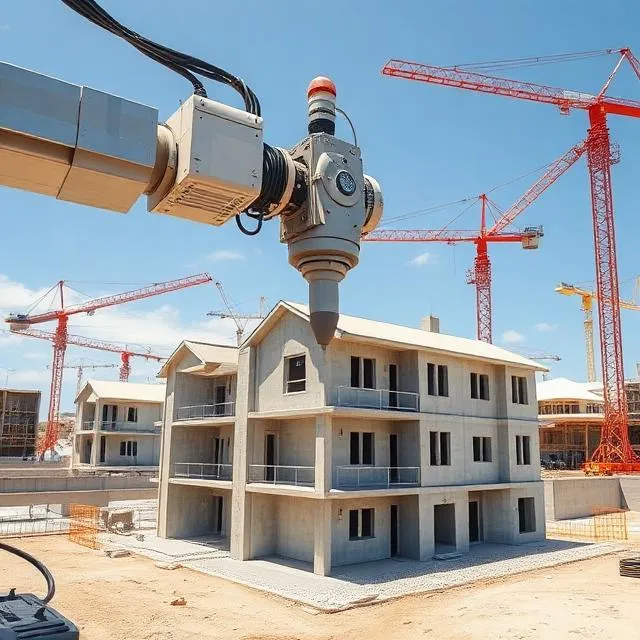
Construction robotics has genuinely moved past pure demonstration for a specific set of applications site survey, progress monitoring, professional surveying, and controlled-environment prefabrication tasks where the technology's strengths align well with the actual conditions it operates in. For the broader vision of robots directly automating variable, hands-on trade work across typical job sites, the honest picture in 2026 is durable pilot-stage and early limited commercial deployment rather than mainstream adoption, constrained by real site variability challenges, capital economics, and workflow integration maturity that haven't fully caught up to what demonstration videos suggest is already achieved. The more accurate read, much like 3D-printed construction, is genuine and growing niche adoption rather than industry-wide transformation that's already arrived.

























Sign in to leave a comment.