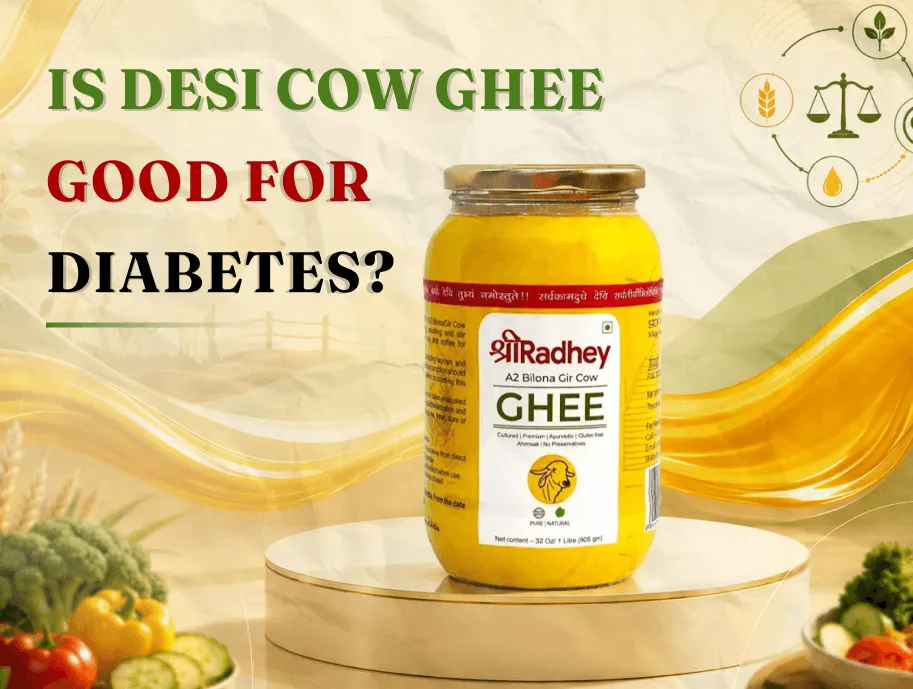

When it comes to managing diabetes, it calls for a good amount of consideration for food items used throughout the day, particularly fats and oils. Among all the traditional Indian kitchen ingredients, desi cow ghee has been used for centuries.

When you try to find healthy alternatives to refined oils, the Organic A2 desi ghee can be one addition that is to be consumed in moderate quantities. Because it is good fats and fat-soluble vitamins, foods with ghee could fit within a healthy diet plan.
Learn how desi ghee for diabetes is useful and how it impacts the blood glucose level.
Understanding Diabetes and Dietary Fat
Diabetes affects how the body processes blood sugar (glucose). This makes food choices incredibly important, as certain foods can lead to sudden spikes in blood sugar levels. While carbohydrates often receive the most attention, fats also play an important role in overall health and metabolism.
Many people ask, “Is ghee good for diabetes?” because ghee contains fats but very little carbohydrate content. Unlike sugary or processed foods, pure desi cow ghee does not directly increase blood sugar levels. Instead, when paired correctly with a healthy diet, it may support satiety, helping people feel fuller for longer and reducing unnecessary snacking.
Can Desi Cow Ghee Benefit People With Diabetes?
Traditional desi pure cow ghee, especially the bilona method, contains healthy fats that may help improve digestion and provide energy to the body. It also has butyric acid, which is known for its positive effects on gut health and reduction of inflammation. Since inflammation can affect metabolic health, most consider ghee as an option for diabetes compared to the highly processed cooking oils.
The fact that it has a low glycemic impact is another reason why ghee is considered an option while making a meal plan for diabetics. As ghee contains zero carbohydrates, it does not lead to an immediate spike in blood glucose level. When consumed with other fiber-rich foods (whole grains, vegetables, etc.) in adequate amounts, it may slow down the process of digestion, leading to a consistent supply of energy for the whole day.
Having said that, moderation is still key. Too much fat, no matter which type it is, will inevitably lead to increased body weight, and in turn, managing a healthy body weight is of great importance when trying to keep diabetes under control. That is why doctors and medical experts suggest having ghee, but in moderate quantities.
Read: Why A2 Cow Ghee is the Perfect Medicine For Diabetes
How to Include Desi Cow Ghee in a Diabetes-Friendly Diet
Just a few drops or a spoon can often make a world of difference to the taste and pleasure of a meal. A teaspoon of ghee can be drizzled onto millet rotis, dal, steamed vegetables, or hot khichdi.
Like any other foodstuff, the quality of desi ghee used is as important as the quantity, while incorporating it for diabetes management. Traditionally prepared pure cow's ghee is considered to be more beneficial than a highly refined one. Ghee consumption, combined with the other food components such as protein, fiber, and complex carbohydrates in a meal, is suggested to help with better digestion.
It is also helpful to avoid pairing ghee with heavily fried or sugary foods, as doing so may cancel out any potential dietary benefits.
Things Diabetes Patients Should Keep in Mind
While desi cow ghee can fit into a healthy eating routine, every person’s nutritional needs are different. Factors such as age, activity level, medication, cholesterol levels, and overall diet can influence how suitable it is for someone with diabetes.
For a ghee for diabetes patients, portion control is key. Small portions added to a home-cooked meal are often a better way to consume more of it rather than a massive amount over a whole day. Seek medical advice from your doctor or a dietitian before altering your diet.
Final Thoughts
When consumed mindfully and in moderation, desi cow ghee can definitely be a part of your diabetes-friendly diet. As it does not cause an immediate increase in blood sugar levels and may even promote fullness in the long run, many prefer it as a better option than traditional fats, as compared to processed oils. Everything, though in moderation, works. Therefore, best practice for a healthy lifestyle would be to pair good quality ghee with nutritious foods and a healthy lifestyle.
High-quality Gir cow desi ghee can make a significant difference when you are looking for purity and a traditional approach in preparing ghee.
Originally Posted On: Is Desi Cow Ghee Good for Diabetes?

























Sign in to leave a comment.