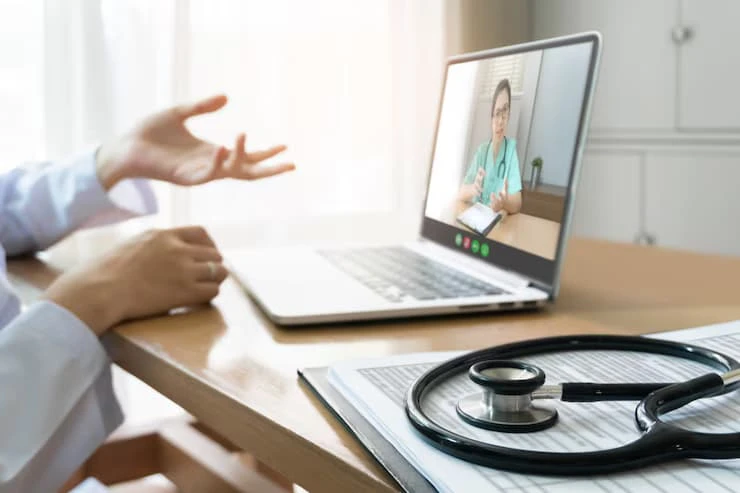

The rise of telemedicine has transformed the healthcare landscape, making it easier than ever for patients to receive medical consultations from the comfort of their homes. As the phrase "dr online" becomes increasingly common, questions about the legality and validity of obtaining a medical diagnosis through online platforms arise. This article aims to explore the legal framework surrounding online medical diagnoses, the factors influencing their legality, and the implications for both patients and healthcare providers.
Understanding Telemedicine and Online Diagnoses
Telemedicine refers to the use of technology to provide medical services remotely. This encompasses a wide range of practices, including video consultations, phone calls, and text messaging between patients and healthcare providers. As telemedicine evolves, the ability to receive a diagnosis from a dr online has become a prominent feature of modern healthcare, offering convenience and accessibility to patients who may not have immediate access to in-person care.
However, the legality of receiving a diagnosis online can vary significantly depending on a multitude of factors, including jurisdiction, the specific laws governing telemedicine, and the nature of the medical issue being addressed. It is essential to understand these aspects to ensure that patients receive accurate and legitimate diagnoses while safeguarding their rights and well-being.
Legal Framework for Online Diagnoses
The legality of receiving a diagnosis from a dr online primarily hinges on the regulations set forth by individual states or countries. In many jurisdictions, telemedicine laws have been enacted to facilitate the provision of healthcare services via digital platforms while ensuring that patients are protected.
- Licensing Requirements: One of the critical legal considerations involves the licensing of healthcare providers. In most cases, a doctor must be licensed to practice medicine in the state where the patient resides. This means that a dr online providing a diagnosis must hold a valid medical license in that specific state. Some states have enacted laws that allow physicians to conduct telemedicine consultations with patients located out of state, but this is not universally applicable. Patients should always verify that their online doctor is licensed to practice in their jurisdiction.
- Standard of Care: Healthcare providers, including those offering services online, are held to a standard of care that requires them to act in the best interests of their patients. This standard is crucial in ensuring that patients receive appropriate and timely medical advice, regardless of whether the consultation occurs in person or online. When a dr online conducts a diagnosis, they must gather sufficient medical history and information to make an informed decision, adhering to the same ethical and professional standards expected in traditional medical settings.
- Informed Consent: Informed consent is a fundamental principle in healthcare that requires providers to explain the nature of the treatment or diagnosis, potential risks, and alternative options to patients. This principle applies equally to online consultations. A dr online must ensure that patients understand the process and implications of receiving a diagnosis through a digital platform, thus protecting patient rights and enhancing the transparency of telemedicine practices.
Types of Diagnoses Permissible Online
Not all medical conditions can be adequately assessed through online consultations, and the legality of obtaining a diagnosis online may depend on the type of issue being addressed.
- Common Ailments: Many routine health concerns, such as colds, allergies, and minor skin issues, can often be effectively diagnosed through online consultations. In these cases, a dr online can gather sufficient information through a thorough patient interview and visual assessment via video conferencing. These consultations are generally legal and widely accepted as part of telemedicine practices.
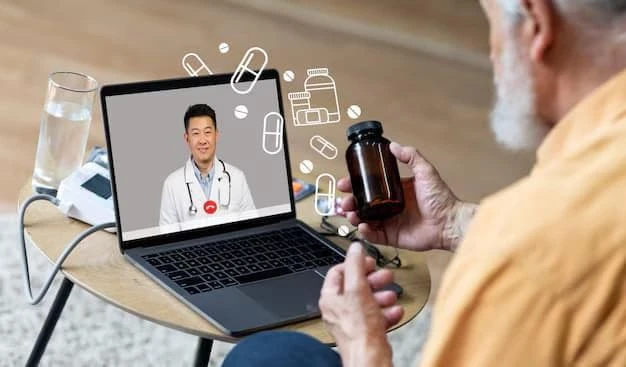
- Chronic Conditions: Patients with chronic health issues, such as diabetes or hypertension, may also benefit from online consultations. A dr online can monitor the patient's condition, adjust treatment plans, and provide ongoing support without requiring frequent in-person visits. As long as the physician is licensed in the patient's state and adheres to the standard of care, these diagnoses are typically legal.
- Mental Health Evaluations: Teletherapy and online mental health services have gained significant traction in recent years. Many jurisdictions recognize the legitimacy of online mental health evaluations, allowing licensed therapists and psychiatrists to diagnose and treat patients remotely. The legal framework surrounding mental health services has adapted to accommodate the growing demand for accessibility in this area.
However, there are certain conditions that may require in-person evaluations to ensure accurate diagnoses. Serious medical conditions, such as cancer or complex neurological disorders, often necessitate physical examinations and diagnostic tests that cannot be conducted online. In such cases, a dr online may refer patients to specialists or require them to attend in-person consultations for a comprehensive assessment.
Challenges and Limitations of Online Diagnoses
While the convenience of obtaining a diagnosis from a dr online is appealing, there are inherent challenges and limitations associated with telemedicine.
- Technical Barriers: Access to reliable technology and a stable internet connection is essential for effective online consultations. Patients in rural or underserved areas may face difficulties accessing the necessary resources, which can limit their ability to engage with a dr online effectively.
- Privacy Concerns: The digital nature of telemedicine raises concerns about the security and privacy of sensitive patient information. Patients must ensure that the platforms they use comply with regulations protecting their health data. Healthcare providers must also implement robust security measures to safeguard patient information during online consultations.
- Misdiagnosis Risks: The potential for misdiagnosis increases when relying solely on virtual consultations. A dr online may lack the ability to perform necessary physical examinations or diagnostic tests, which can lead to incorrect conclusions. This risk underscores the importance of thorough communication and follow-up care in telemedicine practices.
- Evolving Legal Landscape: The legal framework surrounding telemedicine is continually evolving, with regulations varying by jurisdiction. Patients and healthcare providers must stay informed about the latest developments to ensure compliance and protect patient rights.
The Future of Online Diagnoses
As technology continues to advance, the future of online diagnoses looks promising. The COVID-19 pandemic accelerated the adoption of telemedicine, leading to changes in regulations and increased acceptance of online consultations. As more patients become comfortable with the idea of consulting a dr online, the demand for telehealth services is likely to grow.
Furthermore, innovations such as artificial intelligence and machine learning are poised to enhance the accuracy and efficiency of online diagnoses. These technologies can help healthcare providers analyze patient data, identify patterns, and deliver more informed treatment recommendations.
The integration of telemedicine into mainstream healthcare practices may also lead to improved patient outcomes. As patients gain access to timely medical advice and support, they are more likely to seek care when needed, ultimately contributing to better overall health.
Conclusion
In conclusion, obtaining a diagnosis from a dr online is legal in many jurisdictions, provided that healthcare providers adhere to licensing requirements, standards of care, and informed consent principles. While telemedicine offers numerous benefits, including convenience and accessibility, it also presents challenges and limitations that patients and providers must navigate.
As the landscape of telemedicine continues to evolve, it is essential for both patients and healthcare providers to stay informed about the legal framework governing online diagnoses. For those considering virtual consultations, understanding the nuances of telemedicine can empower individuals to make informed decisions regarding their healthcare options.
If you're looking to explore the benefits of telemedicine for your health needs, consider scheduling a consultation with EIR DOC today. Embrace the future of healthcare by connecting with a dr online who can provide personalized support and guidance tailored to your unique needs!































Sign in to leave a comment.