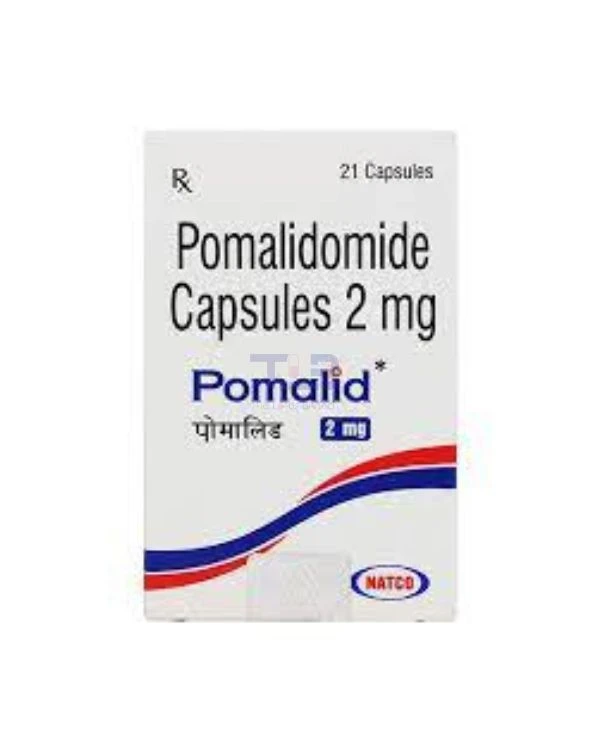

Multiple Myeloma is a complex hematological cancer that develops in plasma cells, a type of white blood cell found in the bone marrow. Understanding the intricacies of this illness and the various treatment options is essential for people diagnosed with Multiple Myeloma. This thorough guide provides detailed insights into the treatability of Multiple Myeloma, focusing on the emergence of Pomalid 2mg (Pomalidomide Capsules) as a potentially effective treatment option. Additionally, We will explore success stories that demonstrate the palpable effects of this drug on patients' lives.
Table of Content
IntroductionUnderstanding Multiple MyelomaSigns, Causes, and Symptoms of Multiple MyelomaTreatment LandscapeEmerging Role of Pomalid 2mgPomalid 2mg Success StoriesConsultation and Treatment ConsiderationsConclusionMultiple Myeloma is characterized by the unchecked proliferation of plasma cells, which results in bone marrow malignancies. It frequently presents symptoms such as bone pain, fatigue, anemia, and infection susceptibility. Imaging examinations, blood tests, and bone marrow biopsies are commonly used to diagnose and assess the disease's severity.
Comprehending the biology of Multiple Myeloma is essential. Plasma cells produce antibodies that are crucial to the immune system. However, when these cells turn cancerous, they stop making helpful antibodies and start to displace healthy cells in the bone marrow.
Signs, Causes, and Symptoms of Multiple Myeloma
Signs and Causes
Often, Multiple Myeloma develops subtly and goes unnoticed. Bone pain, exhaustion, repeated infections, and inexplicable weight loss are typical symptoms. Although the exact cause of Multiple Myeloma is still unknown, some risk factors, such as age (over 65 years old is more prevalent), family history, and exposure to specific chemicals, enhance susceptibility.
Symptoms
For early detection, it is essential to comprehend the symptoms. An early sign may be persistent bone discomfort, particularly in the chest or spine. A decrease in red blood cells, or anemia, is frequently accompanied by weakness and fatigue. Due to immune system impairment brought on by cancer, infections may arise often. Increased thirst and frequent urination are signs of kidney issues, which can be linked to multiple Myeloma.
Treatment Landscape
The treatment landscape for Multiple Myeloma is multifaceted, reflecting the complexity of the disease. Conventional therapies include stem cell transplants, which replenish damaged bone marrow with healthy stem cells, and chemotherapy, which attempts to destroy cancer cells. Immunotherapy and targeted medicines have also demonstrated potential in recent years, providing more accurate and less harmful therapeutic alternatives.
It's crucial to remember that treatment regimens are highly customized and depend on several variables, including genetics, general health, and illness stage. In many cases, a combination of therapies is used to maximize effectiveness.
Emerging Role of Pomalidomide 2 mg
Pomalidomide 2mg, also known as Pomalid, has become a prominent player in the treatment of Multiple Myeloma. This immunomodulatory medication acts by inhibiting the growth of cancer cells and modulating the immune system. Pomalidomide capsule has demonstrated effectiveness in patients with relapsed or refractory Multiple Myeloma, which means that their cancer has either returned after treatment or is resistant to prior therapies.
Studies indicate that the coadministration of Pomalid 2mg with other drugs can lead to a notable enhancement in progression-free survival and overall response rates. It prevents cancer cells from sending growth signals and boosts the immune system's capacity to identify and destroy cancerous cells.
Pomalid 2mg Success Stories
Real-life success stories highlight the benefits of Pomalid 2mg for those with Multiple Myeloma. Sarah's tale, which was diagnosed later in the illness, is motivational. Sarah had a notable improvement in her condition after a customized treatment strategy that included Pomalidomide 2 mg.
Sarah's story demonstrates how Pomalidomide can help patients overcome the difficulties caused by Multiple Myeloma. Her experience highlights the value of early identification, individualized care, and the ongoing search for cutting-edge treatments in the fight against this challenging cancer.
Consultation and Treatment Considerations
Individuals diagnosed with Multiple Myeloma should actively engage with their healthcare professionals to develop an all-encompassing treatment strategy. This plan may involve a combination of conventional therapies, targeted treatments, and, in certain situations, newly developed drugs like Pomalid 2mg Pomalidomide Capsules.
It is essential to have open lines of communication with medical experts to discuss any concerns, comprehend possible side effects, and choose the best course of action. To achieve the best results, it is essential to regularly assess the patient and modify the treatment plan according to their response.
Conclusion
In conclusion, Multiple Myeloma is a complicated illness, but advancements in treatment options offer hope for those affected. Pomalid 2 mg has proven to be a valuable addition to the toolkit of drugs used to treat Multiple Myeloma, showing encouraging outcomes in practical applications.
As we navigate the evolving landscape of Multiple Myeloma treatment, patients and their families need to remain informed, engaged, and proactive in their healthcare journey. By investigating individualized treatment programs, leveraging innovative therapies, and maintaining open communication with healthcare professionals, individuals can face Multiple Myeloma with resilience and determination, aiming for improved outcomes and a better quality of life.































Sign in to leave a comment.