
Gout is a healthcare condition that is a form of inflammatory arthritis.
The Prevalence
It was estimated that 55.8 million people globally live with gout, an increase of 150.6% from the 1990 estimates. Per 100,000 population, the global age-standardized prevalence rate for gout was 659.3, representing a 22.5% increase from 1990.
The findings also suggest that the prevalence of men is 3.26 times higher than women, with rates of 1030.8 and 316.4 per 100,000 population in 2020, respectively.
According to a study published in a reputed journal, The Lancet Rheumatology, Gout cases are expected to increase by more than 70% by the year 2050.
We have just discussed in one word a term, that it is a form of inflammatory arthritis, let’s understand in detail what it means that
Firstly, What is arthritis?
It is a big umbrella term that includes more than 100 healthcare conditions. It affects the body's framework that provides structure, support, and movement through the coordinated action of bones, muscles, joints, tendons, ligaments, and cartilage, also known as the musculoskeletal system.
Among many types of arthritis, Gout is a common and painful medical condition that affects the joints.
In this condition, tiny crystals of monosodium urate form in and around the joint. The condition is closely associated with hyperuricemia. The condition of hyperuricemia may exist for many years before the first clinical attack of gout.
Let’s understand what happens in the condition of hyperuricemia:
Hyperuricemia is a condition where there is too much uric acid in the blood, which is caused by the body breaking down certain foods. Uric acid doesn’t serve any useful purpose in the body and can build up. This buildup is linked to eating foods high in chemicals like purines, like meat and seafood, drinking alcohol, taking certain medications like diuretics, and having health problems like high blood sugar or high fat levels.
When uric acid builds up, it can cause inflammation, pain, and swelling in the joints.
An attack of gout usually comes on very quickly, often overnight. The joint becomes very red, swollen & extremely painful. Normally, the condition of gout affects one joint at a time, often the joint of the big toe.
What are the symptoms of Gout?
Following are the symptoms to watch for Gout:
- Severe pain in the joint, usually in the big toe, but sometimes in other joints like the knee or ankle.
- Swelling and redness around the painful joint.
- Attacks that can last a week or two before they start to go away.
How Can Gout be Diagnosed?
Diagnosis is often confirmed through joint fluid analysis to detect urate crystals or by measuring serum uric acid levels.
How can it be managed?
There are various treatment options that healthcare professionals prescribe based on the level of severity. The treatment options focus on easing pain during flare-ups and managing uric acid levels to prevent future attacks. Here's how doctors recommend the treatments:
During a Gout Attack (Acute Treatment):
The doctor may recommend the following medications/ drugs:
- NSAIDs (Pain Relievers): Medications like ibuprofen and naproxen help reduce pain and swelling.
- Colchicine: This medicine is best when taken right at the start of an attack. It helps reduce pain by stopping the inflammation caused by uric acid crystals.
- Corticosteroids: These can be taken by mouth or injected into the joint to decrease swelling and relieve pain.
Long-term Treatment:
For people with frequent gout attacks or joint damage, the doctor may recommend long-term treatment to help prevent future flare-ups:
- Urate-Lowering Therapy (ULT): The goal is to keep uric acid levels low, usually below 6 mg/dL. This includes lifestyle changes and medications.
Medications for ULT:
- Xanthine Oxidase Inhibitors: Medications like allopurinol and febuxostat reduce the production of uric acid.
- Uricosuric Agents: Medications like probenecid help the kidneys get rid of uric acid more effectively.
- Uricase: This medication breaks down uric acid and is used when other treatments don’t work.
Quick fact: Allopurinol, a drug that belongs to the drug class of purine xanthine oxidase (XO)inhibitors, is the most commonly used drug in the treatment of hyperuricemia, and it was the only available inhibitor of uric acid synthesis.
Febuxostat was approved by the Food and Drug Administration (FDA) in February 2009.
What is Febuxostat?
Febuxostat: Febuxostat is a highly prescription-based medication that is recommended by doctors to individuals who can’t take allopurinol or for those whose uric acid levels are not well-controlled with it.
Benefits of Febuxostat:
- It helps lower uric acid levels effectively and prevents gout flare-ups.
- It’s a good option for those who have side effects from allopurinol.
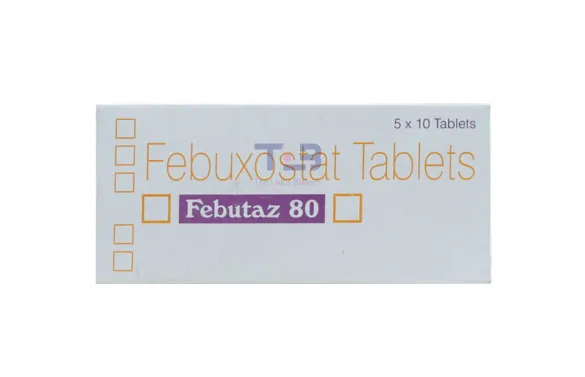
However, febuxostat can have risks, like heart problems, so it needs to be carefully prescribed. When prescribed Febuxostat 80 mg tablets, individuals should take it as prescribed and ensure regular check-ups of heart and liver health. The medication also comes in generic versions such as Febutaz 80. The generic version helps you to have effective medication without compromising on your budget.
Also, ensure that you buy this medication from a trusted online or offline pharmacy/drugstore who have collaborated with a trusted wholesale supplier to order Febutaz 80 in bulk. This is a quick background check of the pharmacy, but it is important to do it to know that the pharmacy has partnered with a trusted supplier to get the medications at the best febuxostat 80 mg wholesale price, which are original and manufactured in compliance with regulations.
Disclaimer: The above content is intended for only informational purposes and is not meant to provide professional advice.




























Sign in to leave a comment.