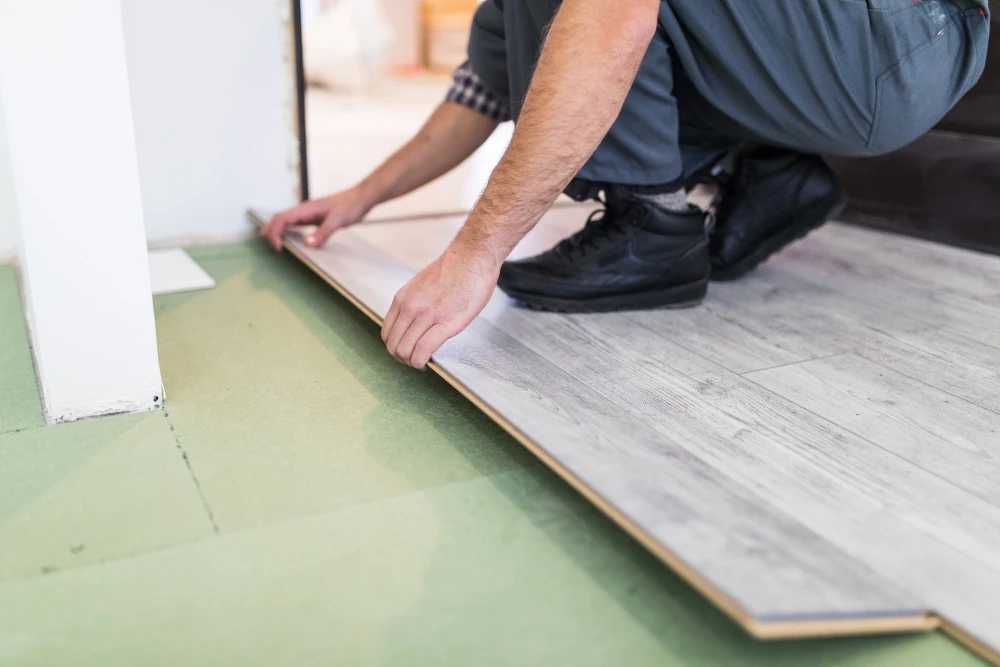

Choosing the right flooring for a commercial, industrial, or even residential space involves balancing performance, durability, appearance, and maintenance requirements. Among the many flooring options available today, polyurethane flooring stands out for its versatility and resilience. But is it the right solution for your project? Let’s explore the key characteristics, benefits, and applications of polyurethane flooring to help you decide.
What is Polyurethane Flooring?
Polyurethane flooring is a seamless, high-performance floor coating system made from polyurethane resins. Known for its flexibility, chemical resistance, and smooth finish, it’s often used in environments that demand durability and hygiene. Unlike epoxy flooring, which is harder and more rigid, polyurethane offers better elasticity and UV resistance, making it ideal for spaces subject to temperature fluctuations or direct sunlight.
Where is It Commonly Used?
Polyurethane flooring is widely used in industries such as food and beverage, pharmaceuticals, healthcare, automotive, warehousing, and commercial kitchens. Its resistance to chemicals, heat, and abrasion makes it a preferred choice for production areas, clean rooms, laboratories, cold storage facilities, and high-traffic commercial spaces. It’s also suitable for residential garages, basements, or modern minimalist interiors where a sleek, polished finish is desired.
Benefits of Polyurethane Flooring
One of the biggest advantages of polyurethane flooring is its durability. It can withstand heavy foot traffic, machinery movement, and repeated cleaning without cracking or wearing out. It also offers excellent resistance to chemicals, oils, and cleaning agents—an essential feature for industrial and food processing environments.
In addition, polyurethane coatings are UV-stable, which means they won’t yellow or degrade when exposed to sunlight. This makes them more suitable for outdoor or naturally lit areas compared to some epoxy systems. The surface is also flexible enough to handle slight substrate movements and thermal expansion, reducing the risk of cracks over time.
Hygiene and Safety Features
In sensitive environments like hospitals, labs, and food factories, hygiene is non-negotiable. Polyurethane flooring can be applied as a seamless system, eliminating joints and gaps where dirt or bacteria could accumulate. Anti-microbial additives and slip-resistant finishes can also be incorporated, helping to meet safety and hygiene standards without compromising aesthetics.
Installation and Maintenance
Polyurethane flooring systems are generally applied in liquid form and cured on-site, which allows for a seamless, customized finish. The installation process requires professional handling to ensure proper surface preparation, mixing, and curing. While the initial cost may be higher than traditional flooring materials, the low maintenance and long lifespan offer significant value over time.
Once installed, polyurethane floors are easy to clean and maintain. They resist staining, do not harbor dust or allergens, and can be cleaned using standard equipment and cleaning solutions. This makes them ideal for facilities where cleanliness is critical.
When to Consider Alternatives
While polyurethane flooring offers many benefits, it may not be the best fit for every project. For example, in extremely heavy load-bearing environments, epoxy flooring may be preferred due to its superior hardness. Likewise, in areas requiring decorative flakes or complex patterns, epoxy may offer more design flexibility.
Additionally, polyurethane floors can be sensitive to moisture during installation. Proper surface preparation and moisture control are crucial to avoid issues like bubbling or poor adhesion.
Is It Right for Your Project?
If your space demands a tough, hygienic, and long-lasting floor that can withstand chemicals, thermal changes, and wear, polyurethane flooring is definitely worth considering. It's especially suitable for industrial, commercial, and healthcare environments where performance and cleanliness matter most. However, evaluating your specific project requirements—such as load tolerance, aesthetics, and environmental conditions—will help you determine whether polyurethane or another flooring system is the best choice.
Final Thoughts
Polyurethane flooring combines strength, flexibility, and seamless design in a way that few other flooring systems can. Whether you're upgrading a factory floor, renovating a commercial kitchen, or building a high-performance workspace, it offers lasting performance and a sleek, modern appearance. If durability, hygiene, and resistance are your top priorities, polyurethane flooring may very well be the right solution for your project.

























Sign in to leave a comment.