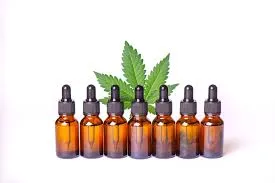

Cannabis consumers today have more options than ever before when it comes to choosing products that fit their preferences and wellness goals. Among the most popular choices are tinctures and edibles. Both offer a smoke-free way to consume cannabis, but they deliver effects differently, leading many people to ask the same question: Is tincture stronger than edibles?
The answer is not as straightforward as a simple yes or no. The perceived strength of a cannabis product depends on several factors, including dosage, absorption rate, metabolism, tolerance, and the desired effects. While tinctures are known for their faster onset and easier dosing, edibles are often associated with longer-lasting and sometimes more intense experiences. Understanding how each product works can help you determine which option may be best for your needs.
As more consumers explore cannabis products through Cannabis Delivery services and licensed retailers, it is important to understand the differences between these two popular consumption methods.
What Is a Cannabis Tincture?
A cannabis tincture is a liquid cannabis extract that is typically infused with cannabinoids such as THC, CBD, or a combination of both. Tinctures are usually packaged in small bottles with droppers, making it easy to measure and control serving sizes.
One of the most common ways to use a tincture is by placing a measured dose under the tongue and holding it there for about 30 to 60 seconds before swallowing. This method allows cannabinoids to be absorbed through the tissues under the tongue, which can lead to faster effects compared to products that must first pass through the digestive system.
How Tinctures Work in the Body
When consumed sublingually, tinctures bypass much of the digestive process. The cannabinoids enter the bloodstream more directly, often producing effects within 15 to 45 minutes, depending on the individual and the product formulation.
Because tinctures offer precise dosing, many consumers appreciate the ability to gradually adjust their intake and find a serving size that works for them. This level of control can be particularly appealing to those who want a predictable cannabis experience.
What Are Cannabis Edibles?
Cannabis edibles are food and beverage products infused with cannabinoids. Common examples include gummies, chocolates, baked goods, mints, beverages, and capsules.
Unlike tinctures, edibles must travel through the digestive system before cannabinoids enter the bloodstream. This process takes longer, which means users typically wait anywhere from 30 minutes to 2 hours before feeling the full effects.
How Edibles Affect the Body
After an edible is consumed, THC is processed by the liver, where it is converted into a compound known as 11-hydroxy-THC. This metabolite is often considered more potent and can produce stronger psychoactive effects than THC absorbed through other methods.
As a result, many users report that edibles create a more intense and longer-lasting experience compared to tinctures. The delayed onset can also make dosing more challenging, especially for new consumers who may be tempted to consume additional servings before the initial dose takes effect.
Is Tincture Stronger Than Edibles?
When comparing tinctures and edibles, it is important to define what "stronger" actually means. Some people associate strength with how quickly effects begin, while others focus on intensity or duration.
If strength is measured by speed of onset, tinctures generally have the advantage. Their sublingual absorption allows cannabinoids to enter the bloodstream relatively quickly, resulting in faster effects.
However, if strength is measured by overall intensity and duration, edibles often come out ahead. The conversion of THC into 11-hydroxy-THC can create effects that feel significantly stronger and last much longer than those produced by tinctures.
For many consumers, edibles are perceived as the stronger option despite their slower onset time.
Why Edibles Often Feel More Powerful
The unique metabolic pathway of edibles is one of the main reasons they are frequently described as more potent.
When THC is converted into 11-hydroxy-THC in the liver, the resulting compound can cross the blood-brain barrier efficiently and may produce more pronounced psychoactive effects. This process can make even moderate doses feel stronger than expected, particularly for individuals with limited cannabis experience.
Additionally, edible effects can last anywhere from four to eight hours or longer, depending on the dose and the individual. This extended duration contributes to the perception that edibles provide a more powerful experience overall.
When Tinctures May Be the Better Choice
Although edibles may feel stronger in many cases, tinctures offer several advantages that make them an excellent option for certain consumers.
Faster Onset
Tinctures typically begin working more quickly than edibles, making them appealing to those who do not want to wait for effects to develop.
Easier Dose Control
The dropper format allows users to measure servings with greater precision. This can help reduce the risk of accidentally consuming more cannabis than intended.
More Predictable Experience
Because tinctures do not rely as heavily on digestion and liver metabolism, many consumers find the effects easier to anticipate and manage.
Convenient and Discreet
Tinctures are portable, simple to use, and often have little to no odor, making them a convenient option for many lifestyles.
Factors That Influence Potency
The effects of cannabis products can vary considerably from person to person. Several factors influence how strong a tincture or edible may feel.
Dosage
The amount of THC or other cannabinoids consumed is one of the biggest factors affecting potency. A higher dose generally produces stronger effects regardless of the consumption method.
Individual Tolerance
Frequent cannabis consumers may require larger doses to achieve the same effects that newer users experience from smaller amounts.
Metabolism
Differences in metabolism can affect how quickly cannabinoids are processed and how long the effects last.
Product Quality
Purchasing lab-tested products from trusted retailers helps ensure accurate cannabinoid content and consistent results. Consumers shopping at a dispensary near Prescott Valley or comparing products among various dispensaries in Prescott Valley can benefit from seeking guidance from knowledgeable staff. Many shoppers also choose Jars cannabis dispensary in Prescott Valley when looking for a wide selection of regulated cannabis products.
Tips for Choosing Between Tinctures and Edibles
If you are deciding between tinctures and edibles, consider the following questions:
- Do you want effects to begin quickly?
- Are you looking for longer-lasting results?
- Do you prefer highly precise dosing?
- Are you new to cannabis products?
- How important is convenience and portability?
Consumers who prioritize faster onset and dose control often gravitate toward tinctures. Those seeking extended effects and potentially greater intensity may prefer edibles.
Conclusion
So, is tincture stronger than edibles? In most cases, edibles are perceived as stronger because they produce longer-lasting effects and create the potent metabolite 11-hydroxy-THC during digestion. However, tinctures offer faster onset, easier dosing, and a more predictable experience.
Neither option is inherently better than the other. The ideal choice depends on your goals, experience level, and personal preferences. By understanding how tinctures and edibles work in the body, you can make a more informed decision and enjoy a cannabis experience that aligns with your needs.
Frequently Asked Questions
Do tinctures work faster than edibles?
Yes. Tinctures used under the tongue are typically absorbed more quickly than edibles because they bypass much of the digestive process.
Why do edibles feel stronger?
Edibles are metabolized in the liver, where THC is converted into 11-hydroxy-THC, a compound that many users find more potent and longer-lasting.
Can beginners use tinctures?
Many beginners appreciate tinctures because they allow for precise dosing and gradual adjustments.
How long do tincture effects last?
The duration varies depending on dosage and individual factors, but effects often last between two and six hours.
Which option offers more precise dosing?
Tinctures generally provide more precise dose control because users can measure servings with a dropper.























Sign in to leave a comment.