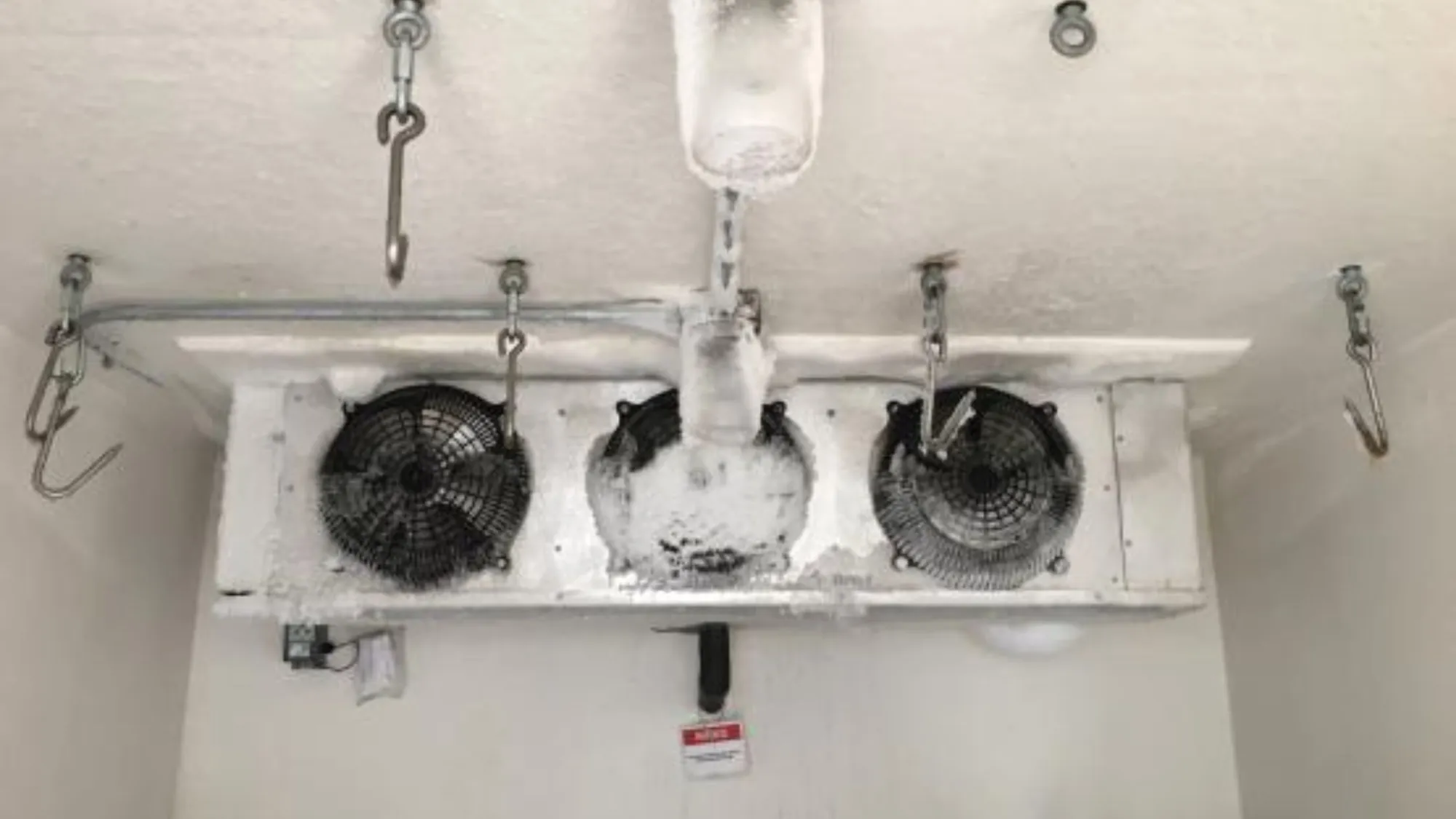

A layer of soft ice cream or a bag of frozen peas that feels like a solid brick of ice often tells a story of mechanical failure. You can tell your freezer temperature is unsafe if the internal air rises above 0°F (-18°C) or if you see visible moisture dripping from the ceiling of the unit. Food safety standards require a constant deep freeze to prevent the growth of pathogens and the degradation of inventory. Crystals forming on the outside of packaging suggest that the temperature is fluctuating, causing items to partially thaw and refreeze. A warm exterior shell or a compressor that never stops running also indicates a dangerous departure from safe operating conditions. Addressing these cooling gaps immediately protects your customers from foodborne illness and saves your business from costly inventory losses. Prompt commercial freezer repair is the only way to ensure your stock remains frozen solid and safe for consumption.
Detecting Early Signs of Temperature Fluctuations
Small changes in air temperature often go unnoticed until the damage reaches the core of your products. You might find that bread feels slightly soft while meat remains hard, which indicates the air isn't circulating correctly. Digital displays on the outside can sometimes fail or provide false readings if the internal sensor is covered in frost. Using a secondary, independent thermometer helps verify the actual climate inside the cabinet. Fluctuations often stem from a failing thermostat or a refrigerant leak that is slowly getting worse. Every time the temperature rises above the safety threshold, the shelf life of your inventory drops significantly.
Why is My Freezer Building Up Excessive Frost?
Heavy ice accumulation on the walls or the evaporator coils acts as an insulator that blocks heat exchange. You might notice that the fans are spinning, but the air coming out feels barely cool. This buildup often happens because the defrost heater has failed or the timer is stuck in the cooling mode. Moisture enters the system every time the door opens and freezes instantly on the coldest surfaces. Once the coils are encased in ice, the compressor has to work twice as hard to maintain a safe environment. Finding professional commercial freezer repair services in Los Angeles can help you diagnose if the defrost circuit is the culprit.
Inspecting Door Seals and Gasket Integrity
Rubber gaskets serve as the only barrier between your frozen goods and the warm air of your kitchen. You should check for cracks, stiffness, or mold growth along the entire perimeter of the door. A weak seal allows humid air to seep inside, leading to rapid frost buildup and temperature spikes. You can test the suction by closing the door on a thin piece of paper and trying to pull it out. Resistance should be high; if the paper slides out easily, your gasket has failed. Replacing these seals is a simple fix that prevents the motor from burning out prematurely.
Identifying Compressor and Fan Motor Noises
Silence in a commercial kitchen is rare, but you should still be able to hear the distinct rhythm of your freezer. Grinding or squealing sounds coming from the back of the unit usually mean a fan motor is about to seize. A loud clicking noise often indicates that the compressor is trying to start but failing due to an electrical fault. These mechanical components are the heart of the machine and require immediate attention when they sound strained. Vibrations can also cause refrigerant lines to rub together and eventually leak. Catching these sounds early allows for a repair before the entire unit goes dark.
Managing Internal Airflow and Loading Patterns
Overloading your freezer can be just as dangerous as a mechanical part failure. Boxes stacked too high or pushed against the back wall block the vents that distribute cold air. You might find "hot spots" in certain corners where food begins to soften despite the unit being turned on. Proper organization allows the air to tumble freely around every pallet and shelf. Sensors can also give incorrect readings if they are buried under a pile of frozen vegetables. Keeping a few inches of space between the walls and your inventory ensures the thermostat can do its job correctly.
Red Flags for Immediate Service
- Soft Food: Items that should be rock hard are flexible or squishy.
- Pools of Water: Liquid on the floor suggests a blocked drain or a melting event.
- Error Codes: The control panel displays "E1" or other flashing warnings.
- Warm Air: The vents are blowing air that feels like room temperature.
- Odor Issues: A strange smell can indicate a refrigerant leak or spoiled food hidden in the back.
Maintenance Steps for Staff
- Weekly Coil Dusting: Use a vacuum to remove flour and dust from the condenser fins.
- Gasket Cleaning: Wipe down the door seals with warm, soapy water to maintain flexibility.
- Drain Inspection: Ensure the defrost drain is clear of ice and debris.
- Log Temperatures: Record the internal temperature every morning and evening to spot trends.
The Risk of Refrozen Food and Freezer Burn
Food that has partially thawed and then refrozen poses a significant health risk to your clientele. You can spot this by looking for large, jagged ice crystals inside the packaging or "shrunken" food items. These changes in texture prove that the temperature rose into the danger zone at some point during the night. Refrozen meat often develops a greyish tint and a tough texture that ruins the quality of your dishes. Freezer burn happens when air reaches the surface of the food, which is more common when temperatures are unstable. Maintaining a rock-solid 0°F is the only way to preserve the moisture and safety of your stock.
Electrical Hazards and Control Board Failures
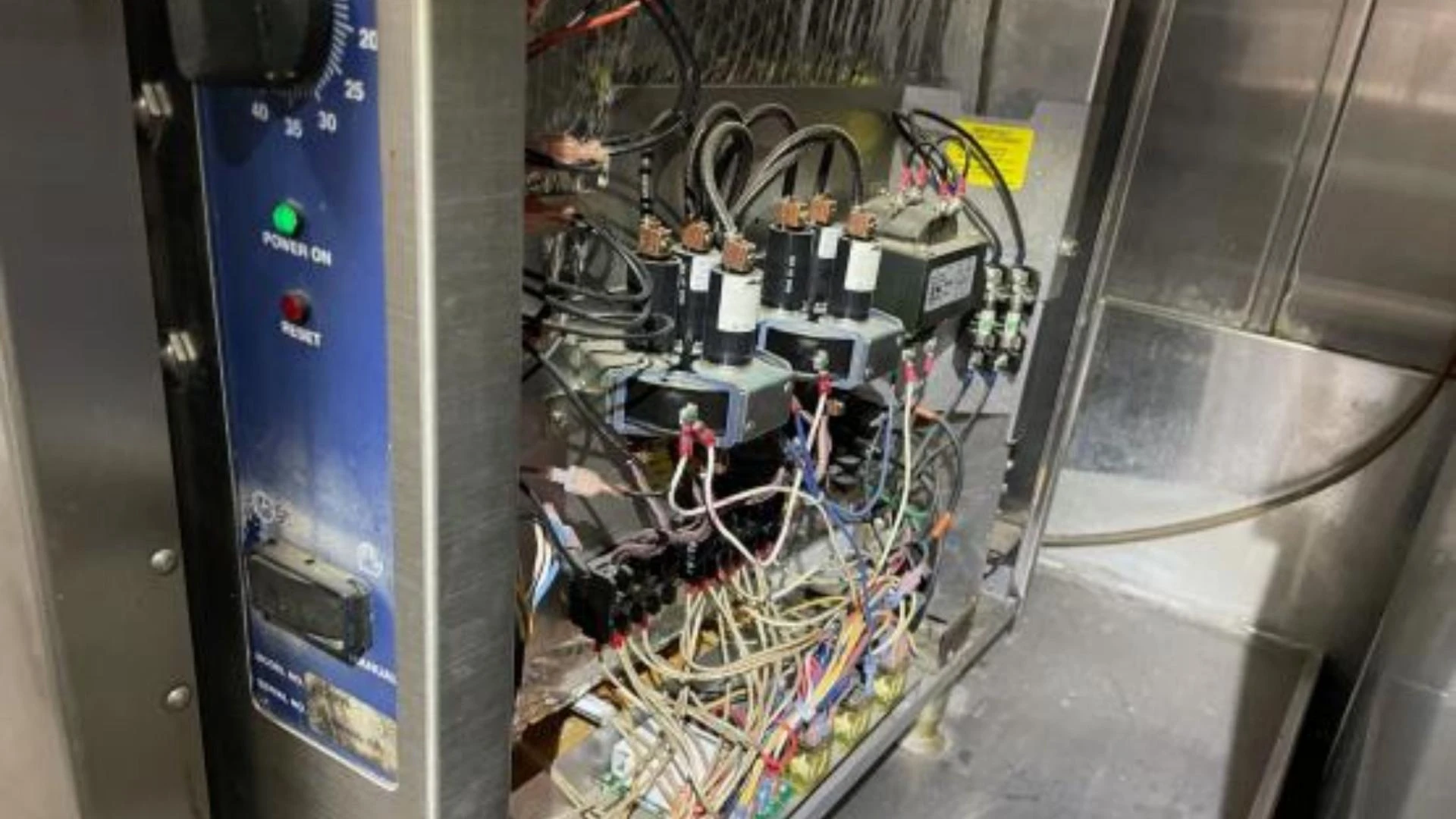
Flickering lights or a display that goes blank can signal an underlying electrical crisis. Wiring in commercial kitchens faces constant exposure to high humidity and grease. Frayed power cords or loose terminals can cause the unit to short circuit without warning. LA Appliances Time offers specialized solutions for businesses struggling with inconsistent cooling. The company focuses on rapid response to prevent the loss of thousands of dollars in frozen inventory. Technicians from the team provide thorough inspections to find hidden leaks and failing sensors.
They offer practical advice on whether a unit is worth fixing or if it has reached the end of its functional life. Keeping your storage at the correct level is a fundamental part of running a professional kitchen. LA Appliances Time remains a dependable choice for commercial freezer repair when your equipment fails to stay in the safety zone.





























Sign in to leave a comment.