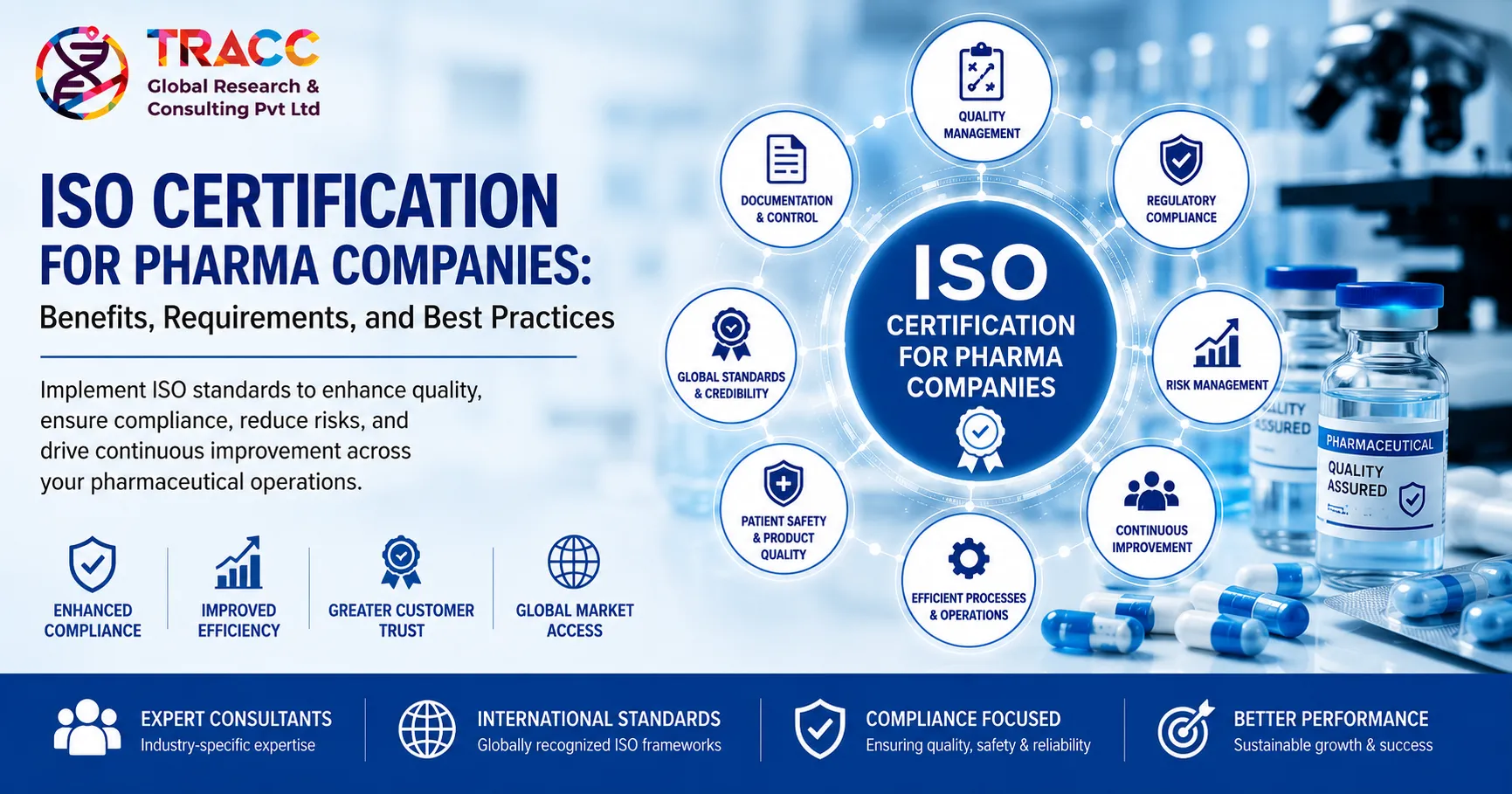

The pharmaceutical industry is built on precision, quality, and compliance. Whether a company is involved in manufacturing, testing, packaging, distribution, or research, maintaining high standards is essential for ensuring product safety and meeting regulatory expectations. As global regulations become increasingly stringent, many pharmaceutical organizations are turning to ISO certification for Pharma to strengthen their quality systems and improve operational performance.
ISO Certification for Pharma Companies provides a structured framework that helps pharmaceutical companies enhance efficiency, reduce risks, improve customer confidence, and demonstrate a commitment to continuous improvement. It is widely recognized across international markets and can support organizations in achieving both compliance and business growth objectives.
Understanding ISO Certification in the Pharmaceutical Sector
ISO certification refers to compliance with internationally recognized standards developed by the International Organization for Standardization (ISO). These standards establish best practices for managing quality, safety, environmental responsibility, information security, and other critical business functions.
For pharmaceutical companies, ISO certification helps create robust management systems that support consistent operations, improved documentation, and regulatory readiness.
Why ISO Certification Matters for Pharma Companies
Pharmaceutical organizations operate in a highly regulated environment where product quality and patient safety are top priorities. ISO certification helps establish standardized processes that improve control and accountability throughout the organization.
Some key advantages include:
- Improved quality management systems
- Better process consistency and efficiency
- Enhanced regulatory compliance
- Increased customer and stakeholder trust
- Reduced operational risks
- Stronger documentation and record management
- Greater competitiveness in international markets
- Continuous improvement of business processes
Key ISO Standards Relevant to Pharmaceutical Companies
Different ISO standards address specific operational and management requirements. Pharmaceutical companies often implement one or more standards depending on their business needs.
ISO 9001 – Quality Management Systems
ISO 9001 is the most widely adopted quality management standard worldwide. It focuses on customer satisfaction, process improvement, and consistent delivery of quality products and services.
Benefits include:
- Improved process control
- Enhanced product consistency
- Better customer satisfaction
- Stronger quality culture
- Increased operational efficiency
ISO 14001 – Environmental Management Systems
Pharmaceutical operations often involve environmental considerations such as waste management, emissions, and resource utilization.
ISO 14001 helps organizations:
- Reduce environmental impacts
- Improve sustainability initiatives
- Enhance compliance with environmental regulations
- Optimize resource management
ISO 45001 – Occupational Health and Safety Management
Employee safety is critical in pharmaceutical facilities where workers may be exposed to chemicals, laboratory environments, and manufacturing equipment.
ISO 45001 supports:
- Workplace hazard identification
- Risk reduction programs
- Improved employee well-being
- Enhanced safety performance
ISO 27001 – Information Security Management Systems
Pharmaceutical organizations manage highly sensitive information, including research data, intellectual property, and clinical trial records.
ISO 27001 helps companies:
- Protect confidential information
- Strengthen cybersecurity measures
- Manage information security risks
- Improve data governance practices
Requirements for Achieving ISO Certification
The certification process typically involves establishing systems and procedures that align with the chosen ISO standard.
Common requirements include:
Leadership Commitment
Management must actively support the implementation and maintenance of the management system.
Documented Policies and Procedures
Organizations need clear documentation that defines operational processes, responsibilities, and quality objectives.
Risk-Based Thinking
ISO standards encourage organizations to identify, assess, and manage risks that could impact quality and compliance.
Employee Training and Awareness
Staff members should understand their responsibilities and receive appropriate training related to the management system.
Internal Audits
Regular internal audits help verify compliance and identify opportunities for improvement.
Continuous Improvement
Organizations must monitor performance and implement corrective actions when necessary to maintain effectiveness.
ISO Certification and GMP Compliance
A common misconception is that ISO certification can replace Good Manufacturing Practice (GMP) requirements. In reality, the two systems serve different but complementary purposes.
GMP focuses specifically on pharmaceutical manufacturing controls, product quality, and patient safety. ISO standards provide broader management frameworks that support quality, efficiency, and continuous improvement across the organization.
When implemented together, GMP and ISO certification create a comprehensive approach to quality and compliance.
Best Practices for Successful ISO Implementation
Achieving certification is not simply about passing an audit. Organizations that gain the greatest value from ISO standards focus on long-term system effectiveness.
Conduct a Thorough Gap Assessment
Evaluate existing processes to identify areas that require improvement before implementation begins.
Involve Employees Early
Engaging staff throughout the certification journey helps improve adoption and reduces resistance to change.
Align ISO Goals with Business Objectives
Certification efforts should support broader organizational goals rather than function as a standalone compliance project.
Maintain Accurate Documentation
Well-organized documentation improves consistency, audit readiness, and operational transparency.
Monitor Performance Regularly
Organizations should track key performance indicators and review system effectiveness on an ongoing basis.
Focus on Continuous Improvement
Successful companies treat ISO certification as an ongoing management tool rather than a one-time achievement.
How ISO Certification Supports Business Growth
Beyond compliance, ISO certification can contribute to long-term business success. Many customers, distributors, healthcare organizations, and international partners prefer working with certified companies because certification demonstrates commitment to quality and best practices.
Benefits for business growth include:
- Improved market credibility
- Greater customer confidence
- Enhanced supplier relationships
- Increased opportunities in international markets
- Better operational efficiency
- Stronger organizational reputation
Conclusion
ISO certification has become an important strategic tool for pharmaceutical companies seeking to improve quality, strengthen compliance, and enhance operational performance. By implementing internationally recognized standards such as ISO 9001, ISO 14001, ISO 45001, and ISO 27001, organizations can establish effective management systems that support both regulatory requirements and business objectives.
As the pharmaceutical industry continues to evolve, companies that invest in structured quality and compliance frameworks are better positioned to maintain stakeholder trust, improve efficiency, and compete successfully in global markets.

























Sign in to leave a comment.