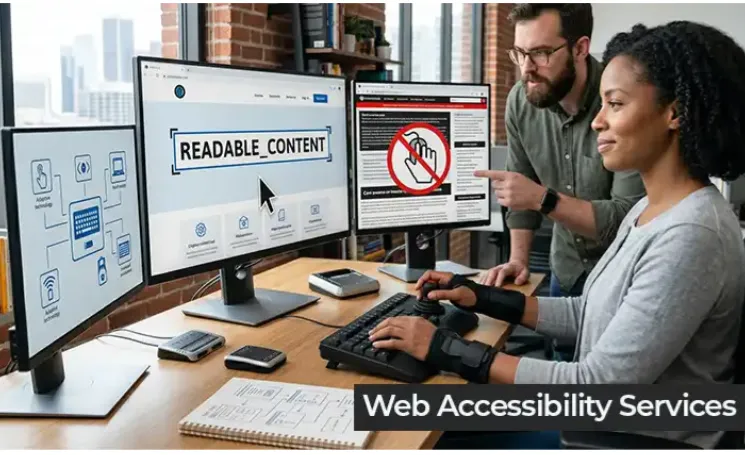

Issue remediation is the process of identifying accessibility barriers on a website and fixing them so every visitor, including people with disabilities, can use digital content without difficulty. As businesses expand their online presence, ensuring websites meet accessibility standards has become a legal and ethical necessity rather than an optional upgrade. Understanding how to approach issue remediation effectively can help organizations avoid compliance risks while creating a better experience for all users.
Understanding Accessibility Issue Resolution
Accessibility issue resolution begins with a thorough audit of a website to identify barriers that prevent users with visual, auditory, cognitive, or motor impairments from navigating content smoothly. Common issues include missing alt text, poor color contrast, inaccessible forms, keyboard navigation failures, and improperly structured headings. Once these issues are identified, they must be prioritized based on severity and impact, then systematically resolved to align with recognized accessibility guidelines such as WCAG.
Why Issue Remediation Matters
Ignoring accessibility gaps can lead to legal complications, reputational damage, and lost business opportunities. Many countries now have strict digital accessibility laws, and non compliance can result in lawsuits or penalties. Beyond legal reasons, accessible websites improve usability for everyone, enhance search engine visibility, and demonstrate a company's commitment to inclusivity. A well executed remediation strategy strengthens brand trust and broadens audience reach.
Steps Involved in Effective Remediation
The remediation process typically starts with a detailed accessibility audit to detect issues across the website. Following this, technical teams analyze each issue to understand its root cause, whether it stems from coding errors, design choices, or content structuring. The next step involves fixing these issues methodically, testing the changes across devices and assistive technologies, and validating that the corrections meet compliance standards. Continuous monitoring afterward ensures new issues introduced through updates are caught early and resolved quickly.
Challenges Businesses Face
Many organizations struggle with issue remediation due to limited technical expertise, lack of awareness about accessibility guidelines, or the sheer volume of pages needing review. Manual audits can be time consuming and prone to oversight, especially for large websites with dynamic content. This is where a structured, technology driven approach becomes valuable, helping teams detect and resolve issues faster while maintaining accuracy.
Building a Sustainable Remediation Strategy
Long term accessibility success requires more than a one time fix. Businesses should integrate accessibility checks into their regular development workflow, train teams on best practices, and establish clear ownership for ongoing compliance. Treating remediation as a continuous process rather than a single project ensures websites remain accessible as content and design evolve.
Take the Next Step Toward a Fully Accessible Website
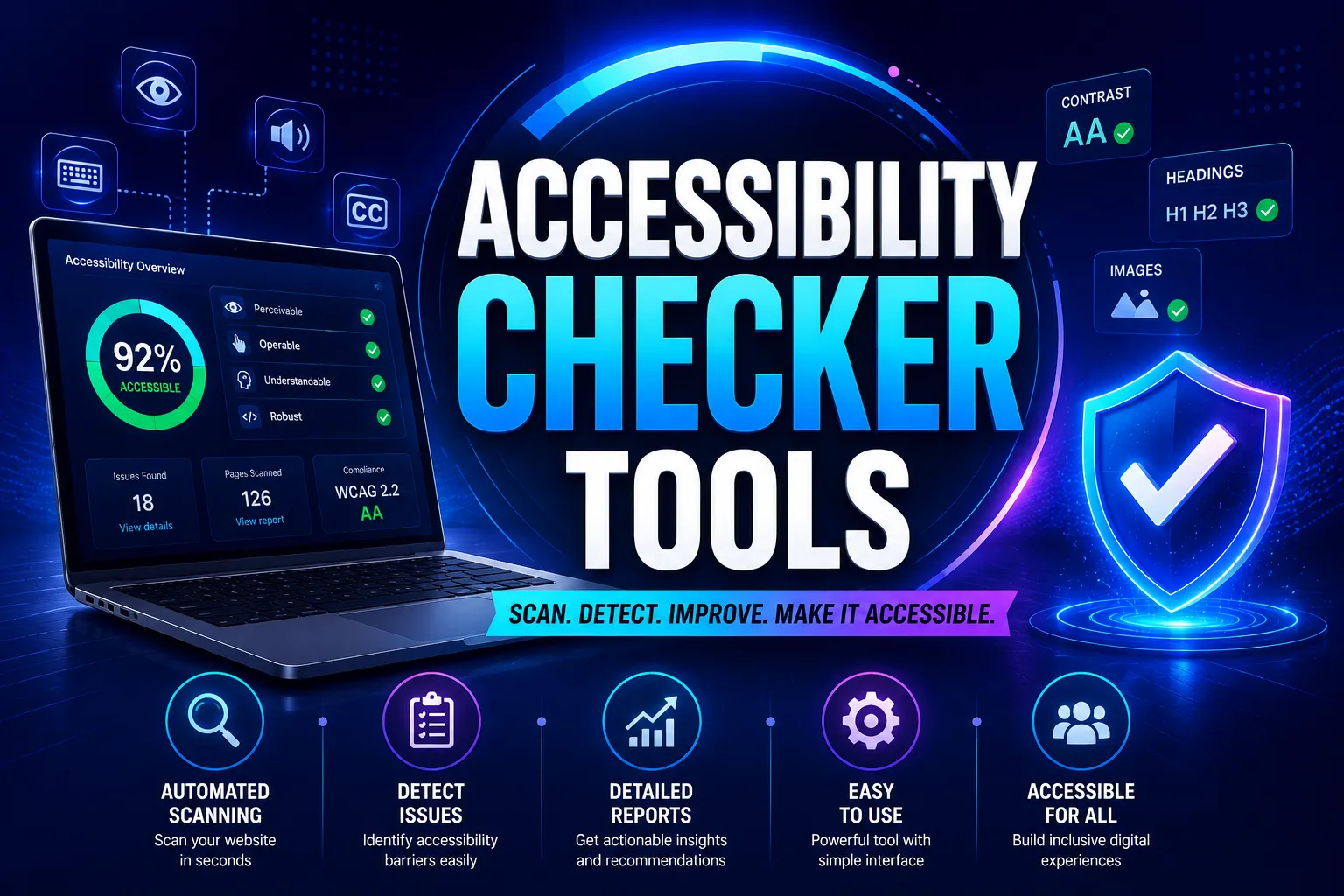
If your website needs a reliable way to detect and resolve accessibility barriers, now is the time to act. Tranistics Data Technologies Private Limited offers the accessibility checker tool designed to simplify issue remediation and support accessibility issue resolution with accuracy and efficiency. Reach out to Tranistics Data Technologies Private Limited today to strengthen your website's compliance, improve user experience, and build a more inclusive digital presence for every visitor who interacts with your brand.























Sign in to leave a comment.