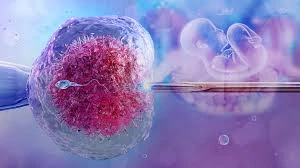

Deciding to go for IVF isn’t easy. It's a mix of hope, science, and a whole lot of questions. One of the most common things we hear from couples is:
“What exactly happens during IVF? Can someone explain it clearly, step by step?”
You’re in the right place.
Whether you’re exploring your options or already planning your first cycle, understanding the IVF process step by step can remove a lot of the fear and confusion. In this guide, we’ll walk you through the entire journey — from Day 1 to embryo transfer — with real talk and no medical jargon overload.
First, What Is IVF and How Does IVF Work?
IVF, or In Vitro Fertilization, is a fertility treatment where the egg and sperm are combined outside the body — in a lab. Once fertilization happens, the resulting embryo is placed back into the uterus.
Think of it like planting a seed: doctors help the egg and sperm meet in the perfect environment, then gently place the fertilized egg back into the "soil" — the uterus — so it can grow naturally.
IVF is one of the most effective fertility treatments available, and it has helped millions of couples around the world become parents.
IVF Process Step by Step
Here’s a detailed breakdown of the full IVF journey — what really happens at each stage.
Step 1: Initial Consultation and Fertility Testing
Before starting, you’ll meet with a fertility specialist to discuss your medical history, lifestyle, and goals.
You and your partner may undergo tests like:
- Hormonal blood work
- Ultrasound to assess ovaries and uterus
- Semen analysis to check sperm count and quality
The goal? To understand your unique fertility picture and plan the safest, most effective IVF protocol for you.
👉 If you're looking for personalized IVF guidance in Rajasthan, the best IVF center in Jaipur offers full diagnostic care with expert support.
Step 2: Ovarian Stimulation (10–14 Days)
Next comes hormone injections to stimulate your ovaries to produce multiple mature eggs — instead of just one like in a natural cycle.
You’ll be monitored with regular ultrasounds and blood tests to track how your follicles (the sacs that hold eggs) are growing.
💡 Real-life tip: This part can feel overwhelming at first, but most patients get used to the injections quickly. Your clinic will guide you closely and adjust doses as needed.
Step 3: Trigger Shot & Egg Retrieval
Once your eggs are ready, a final injection called a trigger shot is given to help them mature fully.
36 hours later, you’ll come in for a short, minor procedure called egg retrieval. It’s done under mild anesthesia, so there’s no pain — and it usually takes just 15–20 minutes.
The doctor uses a thin needle to collect eggs from your ovaries using ultrasound guidance.
Most women rest for a few hours and go home the same day.
Step 4: Sperm Collection
On the day of egg retrieval, your partner will provide a fresh sperm sample (usually through masturbation in a private room at the clinic). If needed, frozen sperm or donor sperm can also be used.
People also ask: How is sperm collected for IVF?
Answer: Usually by masturbation, but in cases of male infertility, sperm can also be surgically retrieved from the testicles using a procedure like TESA or PESA.
Step 5: Fertilization in the Lab
This is the magical part — but in a very high-tech lab.
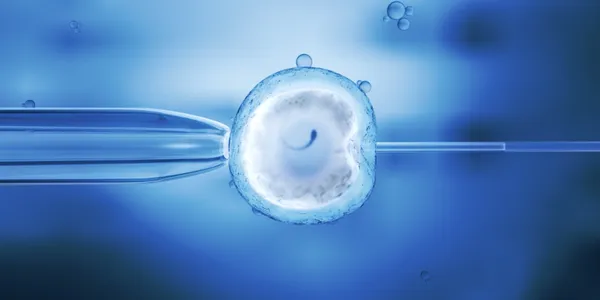
Your retrieved eggs are combined with sperm to allow natural fertilization, or injected directly with a single sperm using ICSI (Intracytoplasmic Sperm Injection), especially in cases of male factor infertility.
After 16–18 hours, embryologists check how many eggs have successfully fertilized.
Step 6: Embryo Development (3–5 Days)
Fertilized eggs begin to divide and grow into embryos. These are monitored daily in the lab.
By Day 3 or Day 5, the embryologist will select the best-quality embryos for transfer or freezing.
If you’re doing genetic testing (PGT), this happens around this stage before transfer.
Step 7: Embryo Transfer
This is a quick and painless procedure — no anesthesia needed.
A thin catheter is used to gently place the embryo into your uterus. Most women describe it as easier than a pap smear.
You’ll rest for a short while afterward, and then you’re free to go home and relax.
💡 Bonus tip: Many clinics recommend light activity, hydration, and a calm mindset after transfer. No need to lie in bed for days — just be kind to yourself.
Step 8: The Two-Week Wait (and Pregnancy Test)
Possibly the hardest part emotionally — you’ll wait about 12–14 days before doing a blood test to confirm if the embryo implanted successfully.
This waiting period can feel like forever, but it’s important to stay positive and not overanalyze every cramp or twinge. Your clinic may suggest progesterone support during this phase.
IVF Success and Next Steps
If your test is positive, congratulations! You’ll be scheduled for an early pregnancy scan.
If it’s negative, take time to process and speak to your doctor. There may be frozen embryos for another cycle — or you may explore adjustments for next time.
Either way, you're not alone — and your next step is always guided.
What Are the 5 Stages of an IVF Procedure?
- Ovarian stimulation
- Egg retrieval
- Fertilization
- Embryo development
- Embryo transfer
IVF Cost and Considerations
Many couples worry about affordability. It’s true that IVF is an investment — emotionally and financially.
At Ritu IVF, the best IVF hospital in Jaipur, we provide transparent pricing and flexible packages. You can view the complete IVF cost in Jaipur here.
Final Thoughts
IVF isn't just a medical process — it's an emotional journey. It involves patience, strength, and teamwork.
Understanding the IVF process step by step can help you feel more in control, less anxious, and more connected to what’s happening with your body.
You don’t have to navigate it alone. If you’re considering IVF, or even just curious, consult the best IVF center in Jaipur for personalized care that respects your hopes and answers your questions.
There’s no “one size fits all” in fertility — and with the right support, you’ll find the path that’s right for you.
Let me know if you'd like a carousel version for Instagram, an email drip campaign using this blog, or a visual PDF for patient education!





























Sign in to leave a comment.