

Jaundice is a condition characterised by yellowing of the skin and eyes due to excess accumulation of bilirubin (a yellow substance formed due to the breakdown of red blood cells).
One of the most obvious causes of jaundice is a damaged or inflamed liver. However, many are not aware that the condition can also occur due to blockage in the bile ducts, caused by gallstones. In patients with asymptomatic gallbladder stones, there is an increased chance of bile duct obstruction, which is known to result in several complications, including jaundice.
In such situations, prompt consultation with a doctor for jaundice is essential to manage the symptoms and prevent infections or permanent liver damage.
Role of Gallstones in Jaundice
The gallbladder is a small, pear-shaped organ that is tucked beneath the liver and is responsible for storing the bile, which helps the intestine digest fats.
The bile primarily consists of three components, mainly cholesterol, bilirubin and salts. When there is an imbalance in these substances, it results in the formation of hardened deposits.
These stones can vary in size and may remain in the gallbladder unnoticed. However, in some individuals, the gallstones become bigger and block the bile ducts. As a result, bile cannot flow properly from the liver to the intestines.
This obstruction leads to the buildup of bilirubin in the bloodstream, which is the primary cause of yellow discolouration of the skin and eyes.
Are the Symptoms Different?
One of the visible signs of all types of jaundice is a yellow tinge in the skin, eyes and mucous membrane. The other symptoms include
- Dark urine
- Pale stools
- Sudden and sharp pain in the upper abdomen
- Nausea and vomiting
- Fever and chills
According to the opinion of a leading doctor for jaundice, the only difference between obstructive jaundice and hepatocellular jaundice lies in the intensity of abdominal pain and the colour of the stools.
In gallstone-related jaundice, the ache is severe in the upper right abdomen, whereas liver-related jaundice often presents with more fatigue and mild discomfort. Moreover, the stool in gallstone obstructed jaundice appears pale and white, grey, or clay-coloured.
Diagnosis of Gallstone-obstructed Jaundice
If someone is suspected of jaundice, especially in individuals with known gallstones, the doctor for jaundice will recommend the following tests.
- Physical examination to look for the yellowing of the skin and tenderness in the abdomen.
- Blood samples to check the bilirubin levels and liver enzymes to find out if the jaundice is caused by gallstones or damage to the liver.
- Imaging tests, such as CT scans or ultrasound, are used to detect the presence of gallstones and obstruction in the bile ducts.
Treatment Options
The treatment involves removing the obstruction from the bile ducts with the help of the following procedures.
- ERCP: It is a common approach that uses an endoscope to assess and remove the stones.
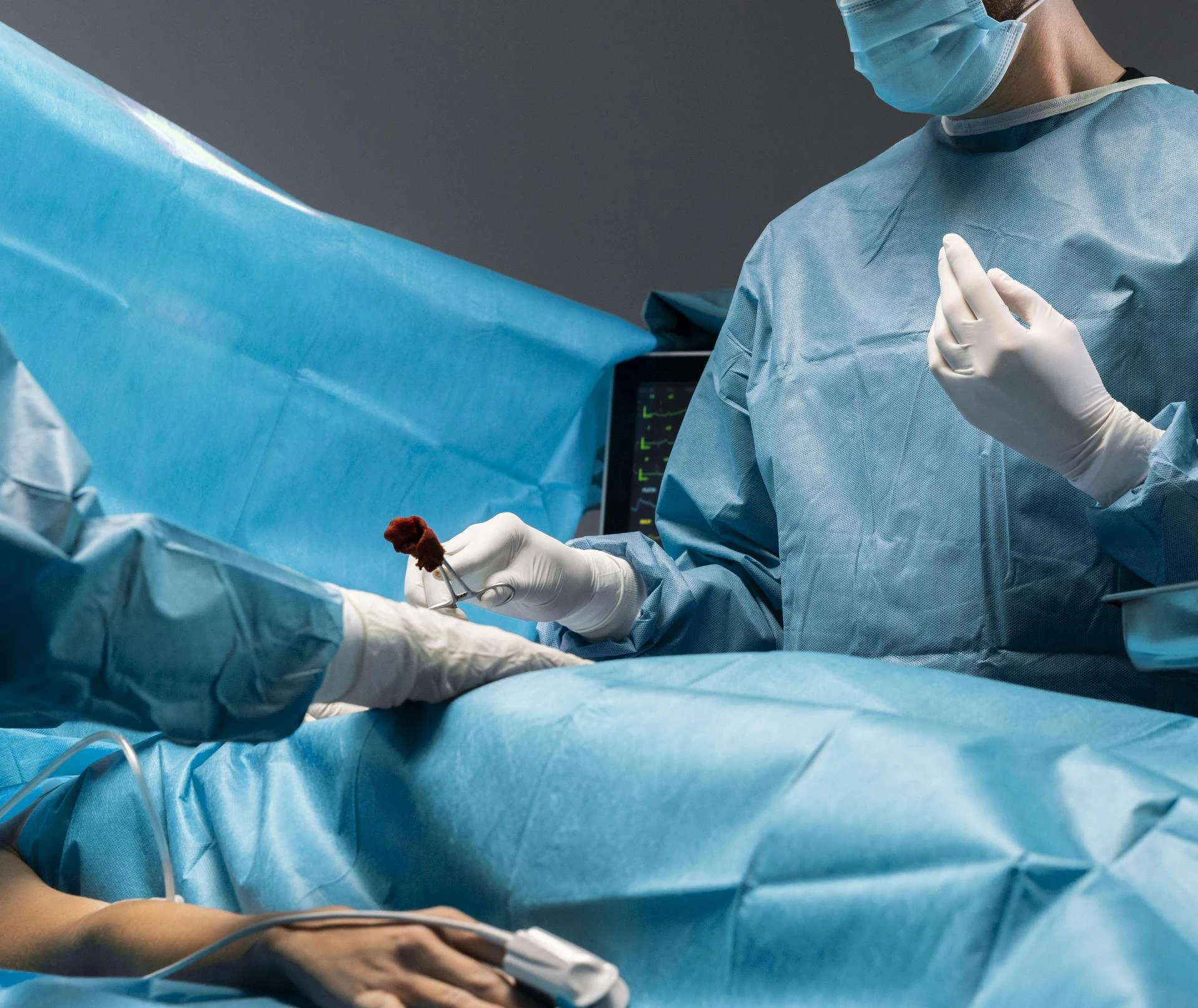
- Surgery: If the condition is severe, your doctor might perform surgery to remove the gallbladder to prevent recurrence.
- Antibiotics: If the blockage has caused an infection (such as cholangitis), antibiotics are prescribed immediately.































Sign in to leave a comment.