
In today's fast-paced and often demanding world, stress and anxiety have become prevalent concerns for many. The pressures of work, personal life, and other responsibilities can take a toll on our mental well-being. As we seek effective methods to manage stress and anxiety, martial arts like karate have emerged as a surprising yet powerful tool for reducing these mental burdens. In this blog, we'll explore how joining karate classes in San Jose, or wherever you reside, will be a stress-relief practice and how it can help find balance and calm in your life.
The Mind-Body Connection in Karate
Karate is not just a physical activity; it's a practice that unifies the mind and body. The core principles of karate, such as discipline, control, and self-awareness, help individuals develop a deep connection between their physical and mental states. By focusing on the present moment during training, practitioners can find relief from the worries and stresses that often plague their thoughts.
Mindfulness and Karate
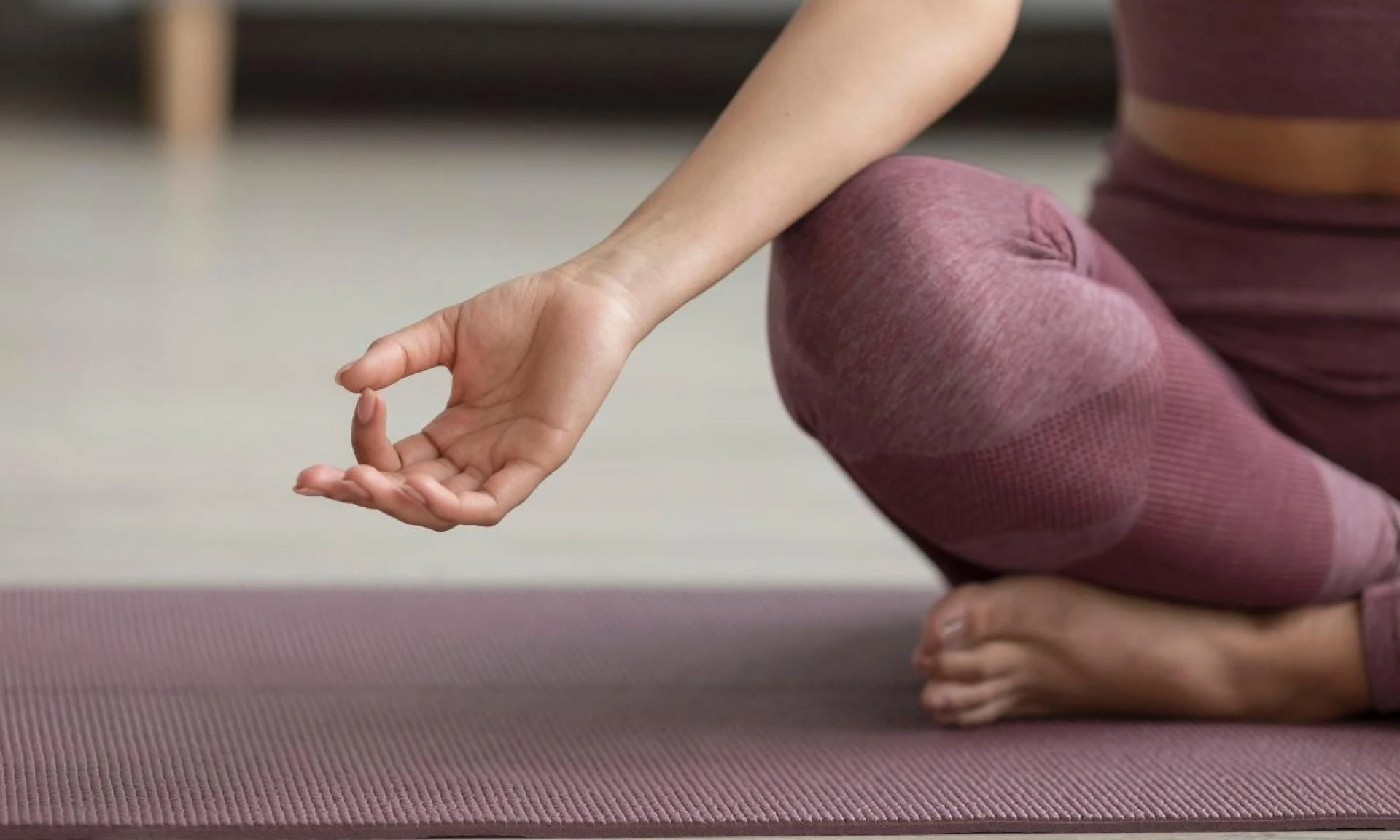
Mindfulness, the practice of being fully present in the moment without judgment, is a key component of karate. In every movement and technique, individuals are encouraged to pay close attention to their bodies, their breathing, and the immediate task at hand. This focused awareness can have a meditative quality, allowing individuals to temporarily disconnect from the sources of their stress and anxiety.
Release of Endorphins
Engaging in physical activity like karate triggers the release of endorphins, which are natural mood elevators and pain relievers. These "feel-good" hormones help reduce anxiety and promote a sense of well-being. Karate sessions provide a safe and constructive outlet for excess energy, helping individuals release pent-up tension and stress.
Stress Management Techniques
In karate, individuals learn stress management techniques that can be applied in everyday life. Breathing exercises, meditation, and visualization are integral parts of karate training. These techniques can be adapted for use when facing stressors outside the dojo (training hall).
Building Self-Confidence
One significant source of stress and anxiety is a lack of self-confidence. Karate helps individuals build self-esteem and self-assurance through gradual skill development. As practitioners achieve new ranks or master more complex techniques, they gain confidence in their abilities, reducing feelings of self-doubt and anxiety.
Setting and Achieving Goals
Setting and achieving goals in karate can be a powerful way to reduce stress and anxiety. In the martial arts, individuals work through a structured system of belts and ranks, providing clear benchmarks for their progress. The process of setting short- and long-term goals and systematically working toward them can be a rewarding experience, instilling a sense of accomplishment and fulfillment.
Community and Support
Karate dojos (training schools) often foster a strong sense of community and support. In this environment, individuals can find like-minded peers who share similar goals and challenges. This sense of belonging can alleviate feelings of isolation and provide social support, which is crucial for managing stress and anxiety.
Conflict Resolution and Emotional Control
Karate teaches individuals to manage conflict and aggression in a controlled, disciplined manner. The emphasis on self-control and respect for others fosters emotional regulation, helping practitioners handle stressful situations with composure and restraint.
Time Management and Prioritization
The discipline and structure instilled in karate training can translate into improved time management and prioritization skills in daily life. By organizing their schedules and tasks efficiently, individuals can reduce the stress associated with overwhelming demands and deadlines.
Coping with Adversity
Karate training is not always smooth sailing. Practitioners encounter challenges, setbacks, and sometimes, even temporary failures. This exposure to adversity in a controlled and supportive environment can equip individuals with resilience and coping skills that help them better manage stress in their personal and professional lives.
Conclusion:
Karate is not just a physical discipline; it's a holistic practice that benefits the mind and spirit as much as the body. By integrating mindfulness, self-control, and emotional regulation, karate equips individuals with valuable tools to manage stress and anxiety. Whether you're a beginner or an experienced practitioner, karate offers a path to physical and mental well-being that can help you find inner peace and balance in an often chaotic world. Not just for you, but it can be a great physical activity for your kids as well, and you can look for kids summer camps in San Jose that offers karate training for them.




















Sign in to leave a comment.