

A karyotype blood test is a specialized genetic test used to examine an individual's chromosomes. If you are searching for a karyotype blood test in London, understanding the purpose, process, and benefits of this test can help you make informed healthcare decisions. Whether recommended by a doctor for fertility concerns, recurrent miscarriages, developmental conditions, or genetic disorders, a karyotype test provides valuable insights into chromosomal health.
London offers access to advanced diagnostic laboratories and genetic testing services, making it easier for patients to obtain accurate and reliable results. In this guide, we will explain everything you need to know about karyotype blood testing, including its uses, procedure, benefits, and what to expect during the process.
What Is a Karyotype Blood Test?
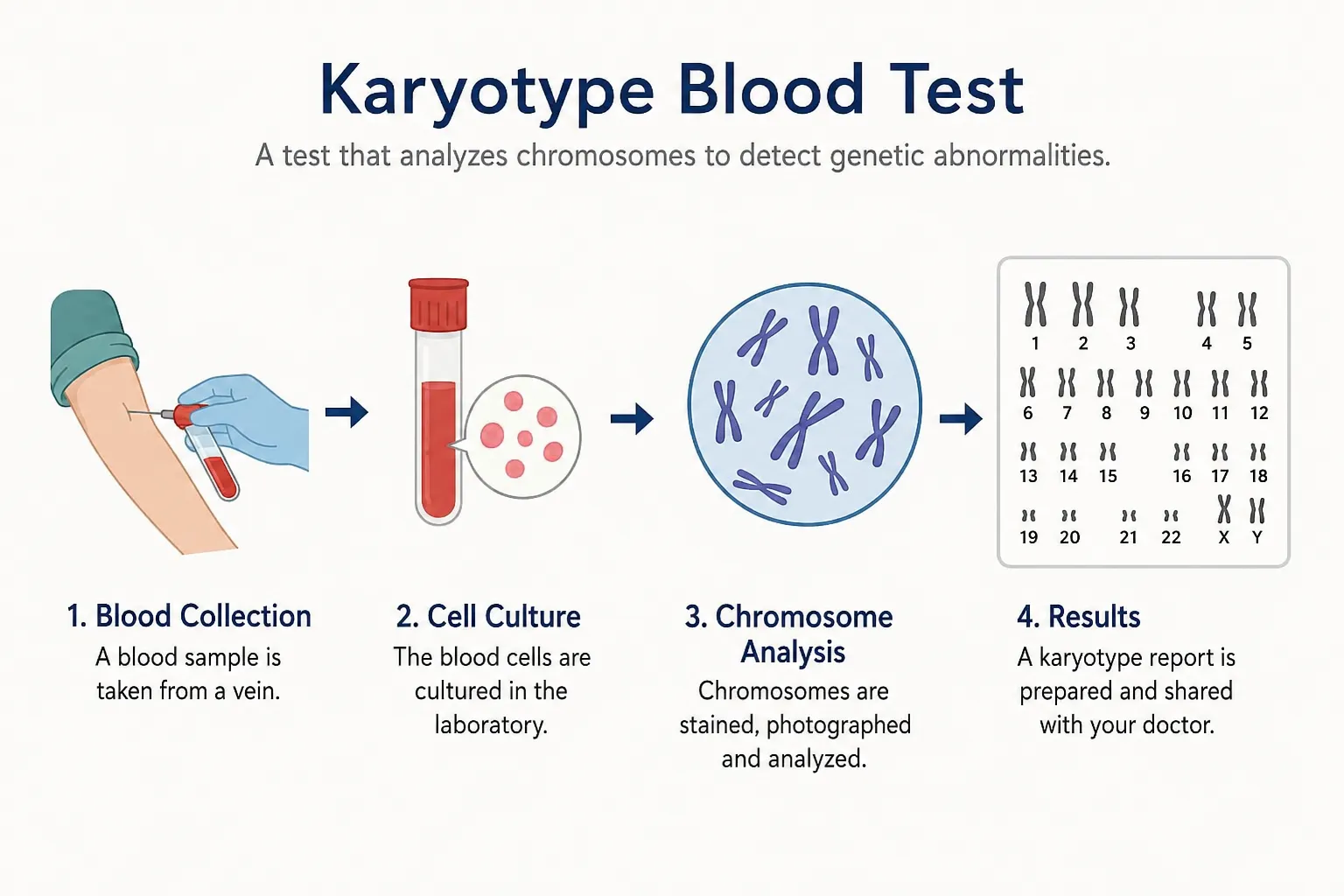
A karyotype blood test is a laboratory analysis that examines the number, size, and structure of chromosomes in a person's cells. Humans typically have 46 chromosomes arranged in 23 pairs. Any abnormality in chromosome number or structure can lead to genetic disorders, fertility issues, developmental delays, or pregnancy complications.
The test involves taking a small blood sample, usually from a vein in the arm. The sample is then analyzed in a specialized genetics laboratory where technicians culture the cells and examine the chromosomes under a microscope.
Why Is a Karyotype Blood Test Performed?
Healthcare providers may recommend a karyotype blood test for several reasons:
1. Investigating Fertility Problems
Couples experiencing infertility may undergo karyotype testing to identify chromosomal abnormalities that could affect reproductive health. Certain chromosome rearrangements can make conception difficult or increase the risk of miscarriage.
2. Recurrent Pregnancy Loss
Women or couples who have experienced multiple miscarriages may be advised to have karyotype testing. The test can reveal balanced translocations or other chromosome abnormalities that contribute to pregnancy loss.
3. Diagnosing Genetic Disorders
A karyotype test can help diagnose conditions such as:
- Down syndrome
- Turner syndrome
- Klinefelter syndrome
- Edwards syndrome
- Patau syndrome
Early diagnosis can support better medical management and family planning decisions.
4. Developmental Delays and Congenital Conditions
Children with developmental delays, learning difficulties, or congenital abnormalities may undergo chromosome analysis to identify underlying genetic causes.
5. Family History of Genetic Conditions
Individuals with a family history of chromosomal disorders may choose testing to assess potential genetic risks before starting a family.
How Does the Karyotype Blood Test Work?
The testing process involves several stages:
Blood Collection
A healthcare professional collects a small blood sample from your arm. The procedure is quick and generally takes only a few minutes.
Laboratory Analysis
The blood sample is sent to a genetics laboratory where white blood cells are cultured to encourage cell division. Scientists then stain and photograph the chromosomes.
Chromosome Evaluation
Specialists arrange the chromosomes into a standard format called a karyogram. They evaluate:
- Chromosome number
- Chromosome size
- Structural abnormalities
- Missing or extra chromosomes
Reporting Results
Once analysis is complete, a detailed report is prepared and sent to the referring healthcare provider.
Benefits of a Karyotype Blood Test
Accurate Genetic Diagnosis
The test helps identify chromosome abnormalities that may not be detected through routine medical examinations.
Better Treatment Planning
Knowing the underlying genetic cause of a condition allows healthcare providers to create more effective treatment and management plans.
Informed Family Planning
Couples can better understand genetic risks and explore reproductive options if chromosomal abnormalities are detected.
Peace of Mind
For many individuals, receiving clear genetic information helps reduce uncertainty and supports informed healthcare decisions.
What Conditions Can a Karyotype Detect?
A karyotype blood test can identify several chromosome-related conditions, including:
- Down syndrome (Trisomy 21)
- Turner syndrome (Monosomy X)
- Klinefelter syndrome (XXY syndrome)
- Trisomy 13
- Trisomy 18
- Balanced translocations
- Robertsonian translocations
- Chromosome deletions
- Chromosome duplications
The test is particularly useful when there is suspicion of a chromosome abnormality affecting health or reproduction.
Preparing for a Karyotype Blood Test
One of the advantages of this test is that it requires very little preparation.
Patients are generally advised to:
- Stay hydrated before the blood draw
- Wear comfortable clothing with easy access to the arm
- Inform the healthcare provider about any medications being taken
- Bring identification and referral documents if required
In most cases, fasting is not necessary.
How Long Do Results Take?
Unlike routine blood tests, karyotype analysis requires cell culture and detailed chromosome examination. Results typically take between 1 and 3 weeks, depending on the laboratory and complexity of the analysis.
Some specialized clinics and private laboratories in London may offer expedited processing services for urgent cases.
Choosing a Karyotype Blood Test Provider in London
When selecting a provider in London, consider:
- Accreditation and laboratory quality standards
- Experience in genetic testing
- Availability of genetic counseling
- Turnaround time for results
- Transparent pricing and consultation services
Many private clinics and diagnostic centers work closely with genetic specialists to provide comprehensive support before and after testing.
Who Should Consider a Karyotype Blood Test?
You may benefit from a karyotype blood test if you:
- Have experienced recurrent miscarriages
- Are facing fertility challenges
- Have a family history of genetic disorders
- Have a child with developmental delays
- Need genetic evaluation before pregnancy
- Have been referred by a fertility or genetics specialist
The test provides valuable information that can guide medical care and future planning.
Conclusion
A karyotype blood test in London is an important genetic diagnostic tool used to identify chromosomal abnormalities that may affect fertility, pregnancy outcomes, development, and overall health. The test is simple, requiring only a blood sample, yet it can provide highly valuable insights into a person's genetic makeup. Whether you are investigating infertility, recurrent miscarriage, or a suspected genetic condition, karyotype testing can help uncover answers and support informed medical decisions. With access to advanced laboratories and experienced healthcare professionals, London offers excellent options for accurate and reliable karyotype blood testing services.

































Sign in to leave a comment.