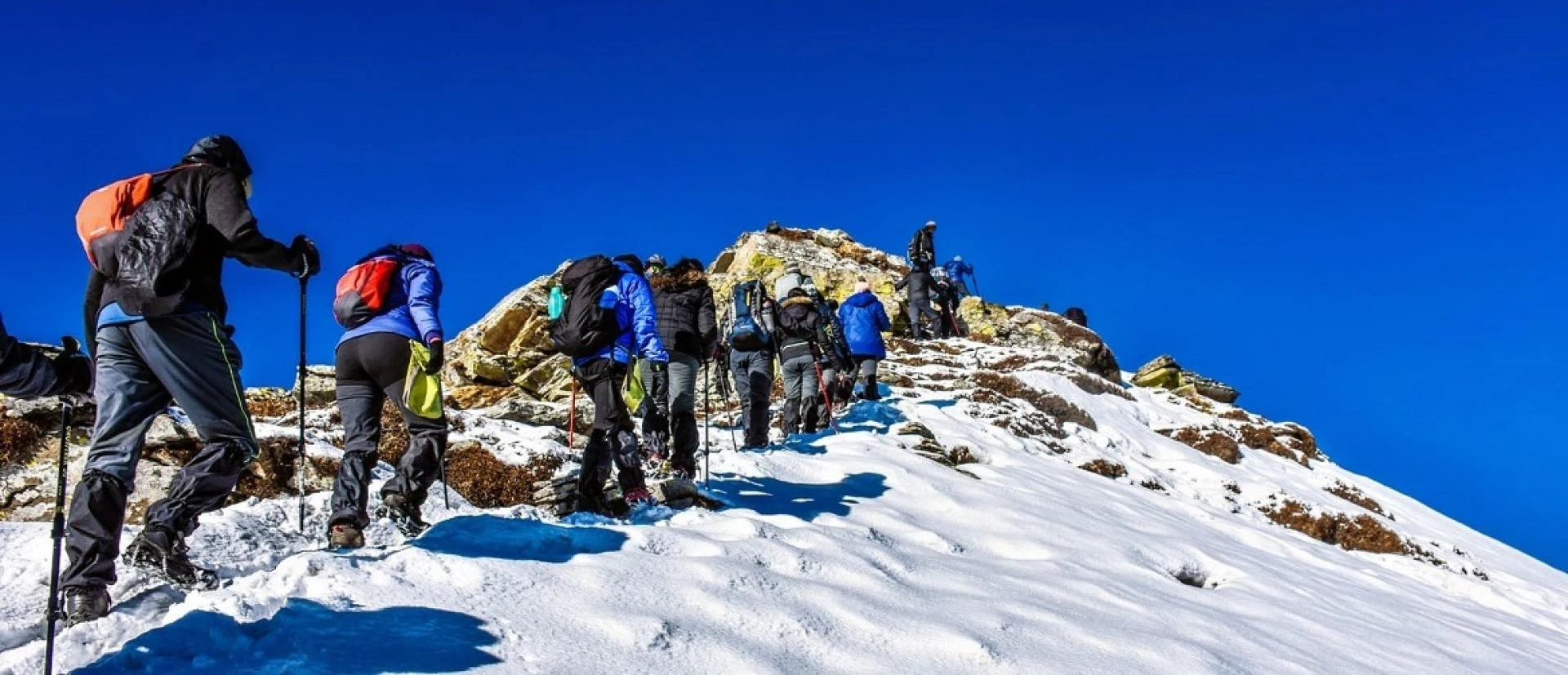

Overview:
Nestled in the heart of the Western Garhwal region of Uttarakhand, Kedarkantha stands tall as a captivating testament to the natural splendor of the Indian Himalayas.
The Kedarkantha trek expedition unveils an awe-inspiring panorama, encompassing everything from dense pine forests to pristine snow-clad meadows, culminating in a summit that offers unparalleled views.
Kedarkantha, with its summit reaching 12,500 feet, is a trekker's delight, but understanding the trek's distance, duration, and difficulty is key to embarking on this extraordinary journey.
The Enchanting Landscape of Kedarkantha
Before delving into the specifics of the trek, it's worth noting that Kedarkantha isn't just about the destination; it's about the entire journey.
The trek presents you with the chance to witness breathtaking views, including the Yamunotri and Gangotri Ranges, bathed in the soft hues of sunrise.
These views, coupled with the pristine beauty of the Har Ki Dun Valley, are what make Kedarkantha an alluring proposition for trekkers seeking an authentic Himalayan experience.
Trek Difficulty Level: A Level 2 Expedition
The Kedarkantha trek is classified as a Level 2 trek according to the Bikat Rating Scale. This rating system assesses trek difficulty based on various parameters such as altitude gain, trail gradient, terrain type, and weather conditions.
A Level 2 rating denotes a moderate trek, suitable for both novice and experienced trekkers. It strikes a fine balance between adventure and accessibility, offering challenges without being overly demanding.
Choosing the Right Season for Your Trek
Selecting the right season for your Kedarkantha adventure is crucial. The trek is open in different seasons, each offering its unique charm. The winter months from December to April transform Kedarkantha into a winter wonderland, cloaking the landscape in pristine white.
Spring and summer, from May to June, usher in lush green meadows and vibrant wildflowers. The fall season from September to November is marked by pleasant weather and clear skies. Each season presents a distinct trekking experience, catering to various preferences and levels of adventure.
Distance Covered on Foot: From Base Camp to Summit
The trek's distance primarily depends on your starting point and the route you choose. Typically, the trek starts from Sankri, the base camp, situated at an altitude of around 6,000 feet. From there, trekkers cover approximately 10 to 12 kilometers to reach the summit of Kedarkantha at 12,500 feet.
The distance might vary slightly depending on the specific trail chosen, but this estimation provides a general idea of the trek's length.
Weather Conditions: Braving the Elements
Kedarkantha's weather can be unpredictable and fluctuates significantly between day and night. Daytime temperatures range from 8 to 15 degrees Celsius, whereas nighttime temperatures can plummet to sub-zero levels.
This stark contrast necessitates proper layering and adequate gear to ensure a comfortable experience.
Being prepared for the cold is paramount, and trekkers should be equipped with warm clothing, including insulated jackets, thermal wear, and high-quality cold-weather gear.
Fitness Level Required: Preparing for the Trek
To fully enjoy the Kedarkantha trek, a certain level of fitness is essential. While it is classified as a moderate trek, it still demands physical endurance.
Cardiovascular exercises, strength training, and regular walking or jogging routines are recommended to build stamina.
A balanced diet and proper hydration are crucial for your pre-trek preparation. Trekkers with pre-existing medical conditions like heart ailments, respiratory disorders, or high blood pressure should consult a medical professional before undertaking the trek.
Essential Gear: Packing for Success
Proper gear is paramount to ensure a safe and comfortable trek. Essentials include hiking shoes with excellent grip, a well-fitted backpack that distributes weight evenly, layered clothing suitable for varying temperatures, a sturdy tent, a warm sleeping bag rated for sub-zero temperatures, trekking poles for balance, and high-quality sunglasses to protect against snow glare. Gaiters are essential to prevent snow from entering your shoes, keeping your feet dry and warm.
Trek Duration: Balancing Length and Experience
The duration of your Kedarkantha trek can vary depending on your pace and preferences. On average, a Kedarkantha trek typically spans 6 to 7 days. However, how you distribute these days can differ:
Short Trek: If you are short on time or prefer a brisk adventure, you can complete the trek in 4 to 5 days. This is suitable for experienced trekkers or those with limited time.
Medium Trek: A 6-day trek is often chosen by most trekkers. It strikes a balance between covering the distance comfortably and allowing for acclimatization and exploration.
Long Trek: If you seek a more leisurely pace and wish to explore the surroundings in depth, you can extend the trek to 7 or more days.





















Sign in to leave a comment.