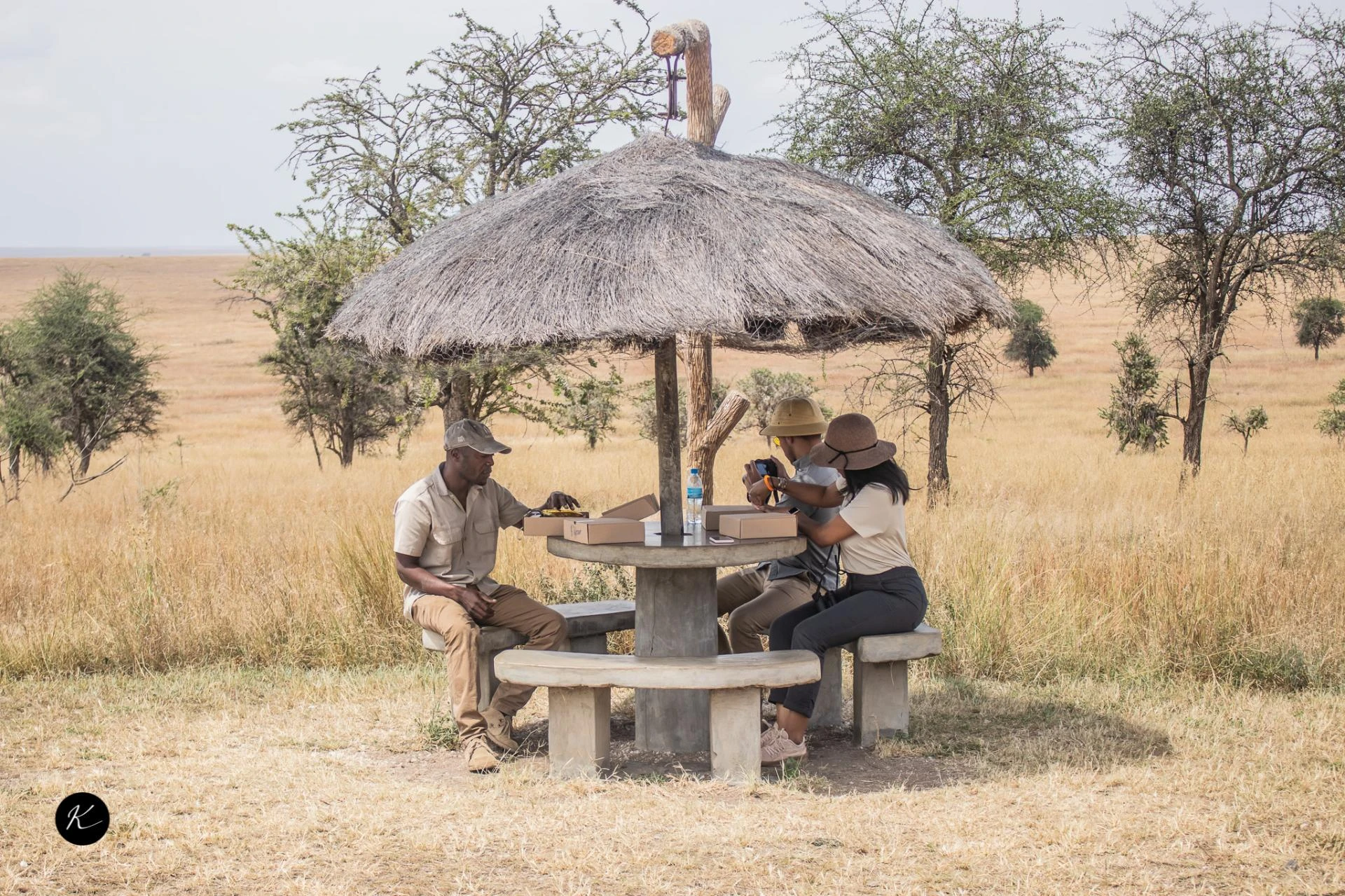

East Africa is widely recognized for its strong wildlife conservation, scenic landscapes, and reliable safari infrastructure. Kenya and Tanzania safari packages bring together two of the region’s most important safari countries into a single travel experience. These packages are designed to provide structured itineraries, professional guiding, and access to major national parks while minimizing travel challenges for international visitors.
By combining Kenya and Tanzania, travelers gain exposure to varied ecosystems, wildlife movement patterns, and safari styles that cannot be experienced in a single-country itinerary.
Overview of Safari Travel in East Africa
Safari travel in East Africa is built around protected national parks, conservation areas, and community-managed reserves. Kenya and Tanzania share ecological systems that allow animals to migrate naturally across borders. This regional connection makes combined itineraries practical and rewarding.
Well-organized Kenya-Tanzania safari packages include ground transport, park permits, accommodation, and guided game drives, ensuring a smooth and coordinated journey across both countries.
Wildlife Regions in Kenya
Kenya’s protected wildlife regions include open savannahs, river systems, and conservation areas that support diverse animal species. These regions are well known for regular wildlife sightings and structured safari activities.
Maasai Mara National Reserve
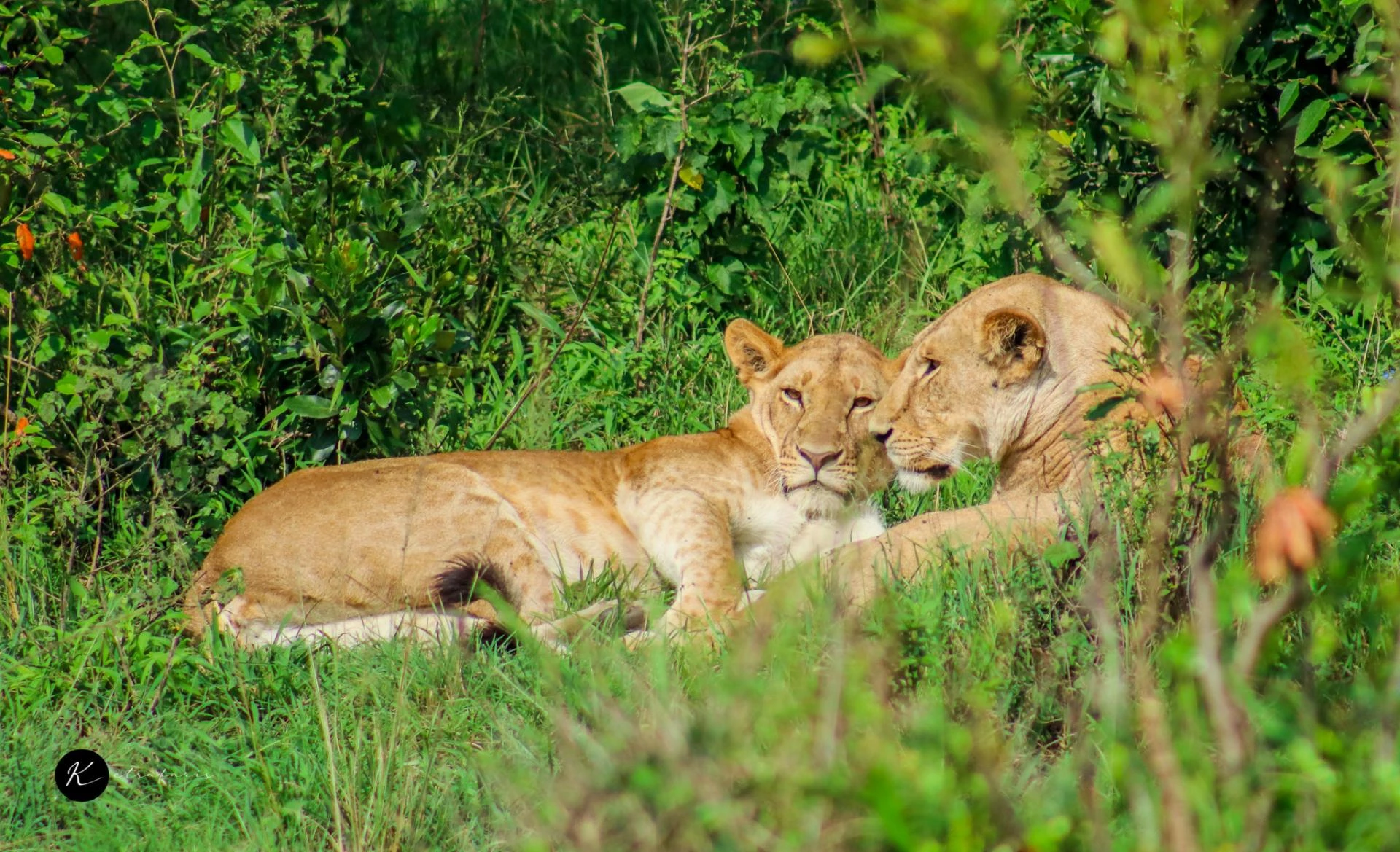
One of Kenya's most active wildlife regions is the Maasai Mara. Large numbers of grazing animals are supported by its wide grasslands, which draw predators all year long. During planned game drives, lions, cheetahs, leopards, elephants, and buffalo are frequently spotted.
The reserve is also culturally significant, with nearby Maasai communities maintaining traditional lifestyles connected to land and wildlife management. Many safari itineraries include cultural visits to provide context beyond wildlife viewing.
Wildlife Regions in Tanzania
Tanzania is home to extensive protected areas that support large wildlife populations and natural migration routes. These regions offer varied landscapes and consistent game viewing across different seasons.
Serengeti National Park
Serengeti National Park is known for its wide plains and extensive wildlife populations. The park supports seasonal wildlife movement and year-round predator activity. Visitors benefit from longer game drives due to the park’s size and road network.
Staying near wildlife corridors increases the chances of observing natural animal behavior over extended periods, which is a key feature of professionally planned safaris.
Ngorongoro Conservation Area
The safari setting is different in the Ngorongoro Crater. A dense concentration of wildlife in a small space is supported by its contained structure. This enables tourists to see a variety of animals in a comparatively short amount of time, including rhinos and enormous predators.
Including Ngorongoro in a safari itinerary adds ecological diversity and enhances the overall safari experience.
Accommodation Choices in Tanzania
Tanzania offers a wide range of safari accommodations located near national parks and conservation areas:
Selecting a Safari Lodge
Comfort, accessibility, and daily safari schedules are all impacted by selecting an appropriate Tanzanian safari resort. To cut down on travel time for game drives, lodges are usually located close to national parks or inside conservation zones. All types of lodging, from tented camps to permanent lodges, are made to adhere to conservation regulations.
Most lodges provide meals, experienced staff, and guided activities as part of the stay.
Budget-Friendly Accommodation Options
Affordable safari hotels in Tanzania are an option for budget-conscious tourists. Instead of emphasizing luxurious amenities, these properties prioritize strategic locations, competent guides, and vital services. For lengthier safaris or visitors that value seeing wildlife over upscale amenities, budget resorts are ideal.
Seasonal Factors to Consider
Because there is less vegetation and more predictable animal movement during the dry season, which usually lasts from June to October, wildlife encounters are frequent. Photography and general game viewing are common during this time.
The green season, from November to March, presents different conditions, including lush landscapes and increased bird activity. Fewer visitors during this time can provide a quieter safari environment. Kenya-Tanzania safari packages are available across both seasons to suit varying travel goals.
Safari Activities and Travel Structure
Safari itineraries are carefully organized to balance game drives, travel time, and rest. Most schedules include guided wildlife viewing in designated parks, planned transfers between destinations, and structured daily routines.
Guided Game Drives
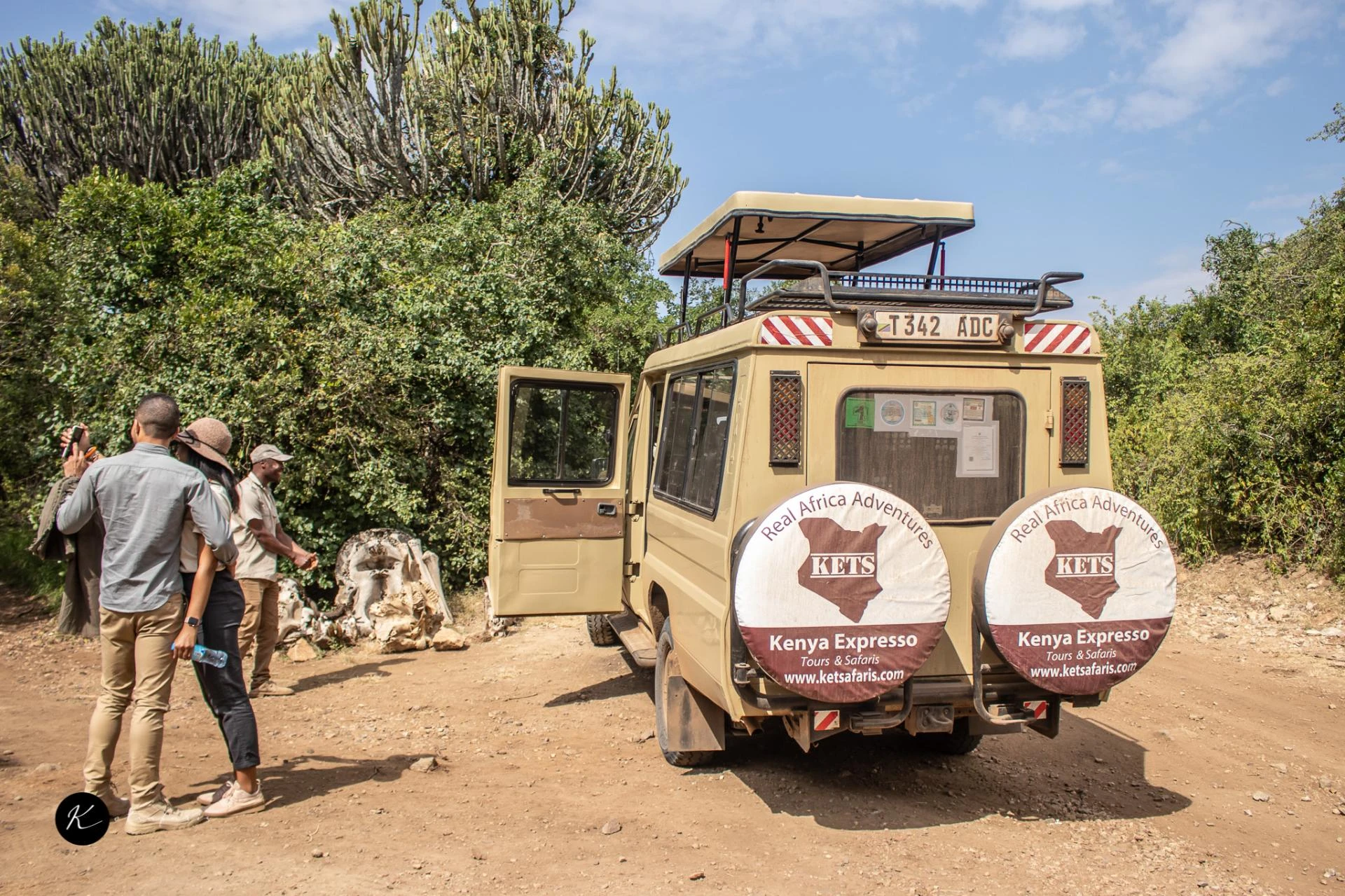
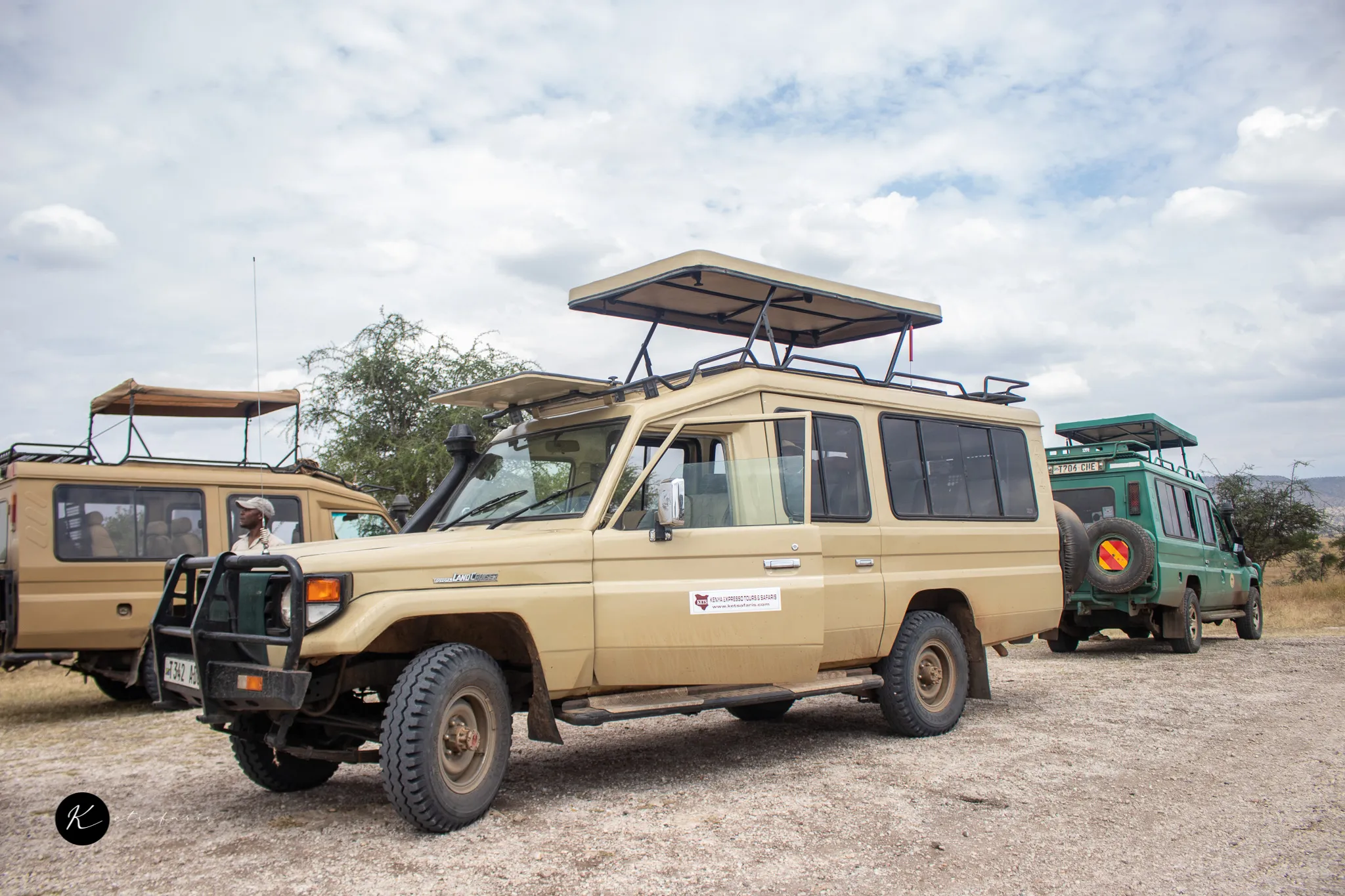
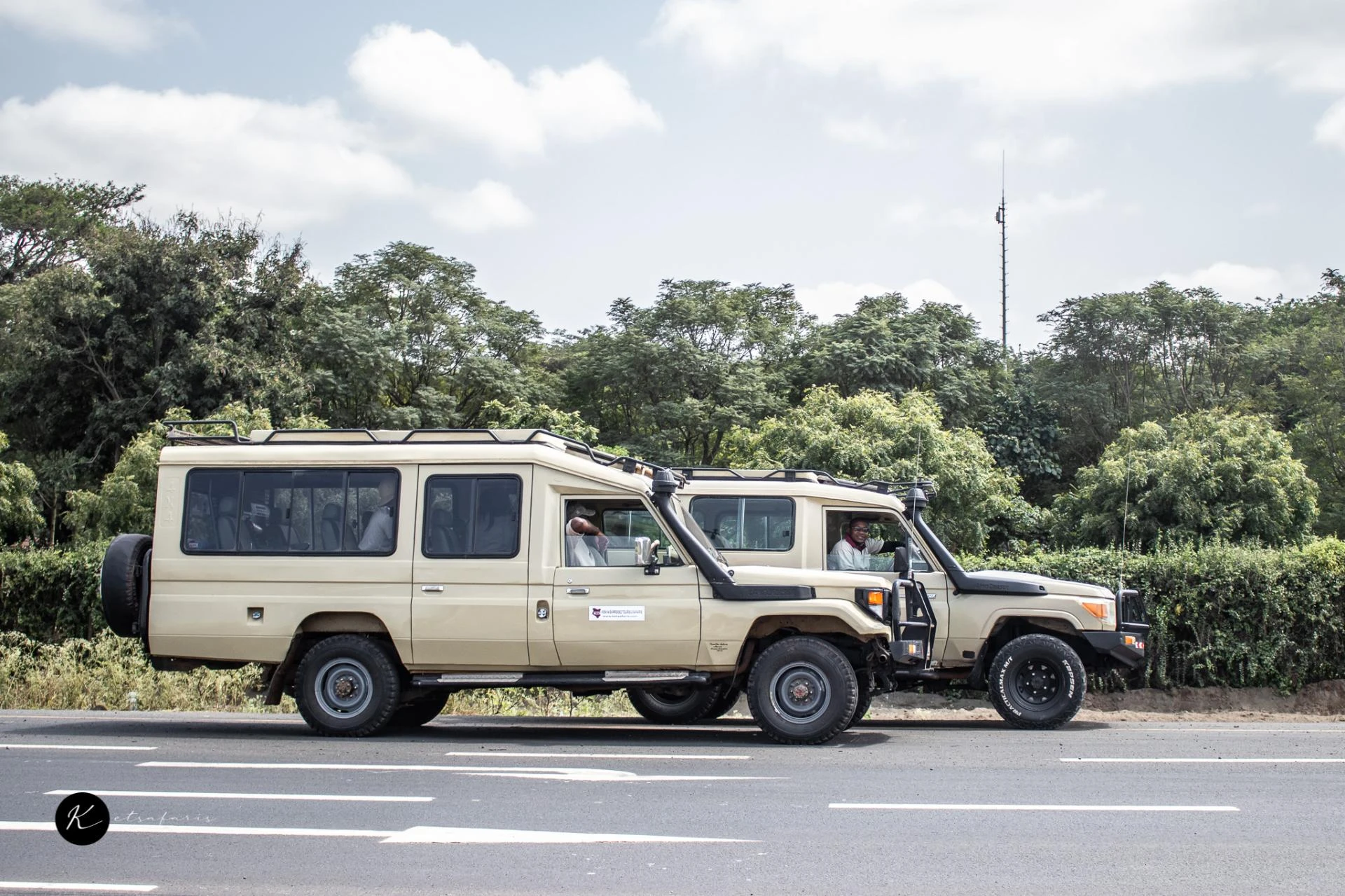
Professional guides are central to well-planned safaris. Their experience improves wildlife tracking and ensures compliance with park regulations. The best safari tours include multiple daily game drives using custom vehicles designed for visibility and comfort.
Additional Travel Elements
Beyond game drives, many itineraries include scenic stops, cultural interactions, and opportunities to learn about conservation efforts. These elements help travelers understand the broader context of safari travel across the region.
Planning a Combined Safari Itinerary
A successful safari itinerary balances travel distance, park time, and accommodation quality. When selecting Kenya-Tanzania safari packages, travelers should consider trip length, lodge category, and seasonal timing. Coordinated planning ensures efficient border crossings and optimized wildlife viewing across both countries.
A structured safari through Kenya and Tanzania offers a comprehensive view of East Africa’s wildlife and landscapes while maintaining comfort, safety, and consistency throughout the journey.
























Sign in to leave a comment.