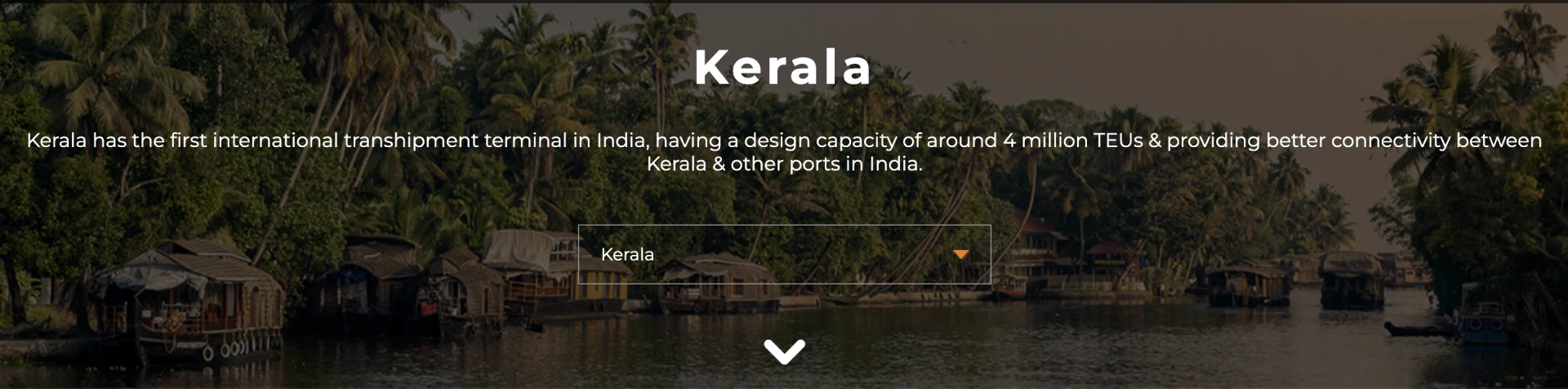

Kerala, nestled along the southwestern coast of India, has long been known for its lush greenery, backwaters, and exceptional human development indicators. But beyond its scenic beauty, Kerala is making significant strides in economic development, infrastructure, and industrial innovation. According to the IBEF Kerala Overview, the state is emerging as a key player in India's growth narrative, particularly through its strengths in tourism, services, and a knowledge-based economy.
Tourism: A Cornerstone of Kerala’s Economy
Known as “God’s Own Country,” Kerala is one of India’s most visited states, thanks to its thriving ecotourism, Ayurvedic wellness centers, houseboats, and cultural richness. In 2022 alone, Kerala welcomed over 15 million domestic tourists and nearly 350,000 international visitors, making it a critical revenue generator for the state.
With improved connectivity—Kerala hosts India’s first international transshipment terminal at Vizhinjam—tourism infrastructure is expanding, attracting high-value investments and employment opportunities.
Kerala’s Economic Performance
In FY23, Kerala’s Gross State Domestic Product (GSDP) stood at ₹10.93 lakh crore (US$ 132.54 billion), growing at 12.5% YoY. The state’s per capita income increased significantly, reaching ₹264,523 (US$ 3,206), well above the national average.
The services sector, contributing nearly 66% of the GSDP, continues to be the economic backbone of the state. Key services include tourism, financial services, education, and healthcare—areas where Kerala has traditionally led the nation.
Industrial Strengths and Investments
Though Kerala is not traditionally known as a manufacturing powerhouse, it has built notable strength in several industrial segments:
- Food processing, with a strong base in marine and spice exports.
- Coir and handloom industries, supporting rural employment and exports.
- Electronics manufacturing and IT/ITeS, growing steadily in cities like Thiruvananthapuram and Kochi.
- The state’s KSIDC and KINFRA initiatives have accelerated industrial parks and startup ecosystems.
The Kerala Startup Mission (KSUM) has positioned the state as a rising startup hub, attracting youth entrepreneurs and angel investors alike.
Key Government Initiatives Driving Growth
Kerala’s economic momentum is being driven by targeted state initiatives:
- ₹1,507 crore sanctioned for industrial infrastructure and MSME growth.
- Over ₹3,900 crore invested in the Vizhinjam Port project, enhancing export competitiveness.
- ₹347 crore allotted for the Kerala Rail Development Corporation’s Silverline project, improving long-term connectivity.
- Massive public investment in healthcare and education, strengthening human capital.
- IT parks across Thiruvananthapuram, Kochi, and Kozhikode, supporting the services-led economy.
Sustainability and Inclusive Development
Kerala leads India in several social indicators, such as literacy (94%), life expectancy, gender development, and healthcare. This focus on human development continues to support a more inclusive and sustainable growth trajectory, making the state a model for other Indian regions.
Conclusion
Kerala stands at a unique intersection of tradition and transformation. With its rich cultural heritage, robust service sector, fast-growing industrial base, and strategic infrastructure development, the state is positioning itself as a leader in equitable and sustainable economic progress. The state’s blend of innovation, inclusivity, and governance excellence makes it one of India’s most dynamic and promising regional economies.






























Sign in to leave a comment.