

Most visitors decide whether they trust a website within seconds. If the layout feels confusing or the buttons are hard to find, they leave before reading a single word. That first impression is exactly what user-friendly UI UX design is built to protect.
A user-friendly design does not just look good. It removes friction, guides people naturally toward what they need, and makes every interaction feel effortless. Businesses that get this right see longer visit times, higher conversions, and stronger brand trust.
What Makes UI UX Design User-Friendly
User-friendly design means a user can complete their goal on your site or app without confusion, delay, or extra effort. This applies to browsing a product page, filling out a form, or navigating a mobile menu.
It combines two disciplines working together:
- UI (User Interface): The visual layer, including buttons, colors, typography, and spacing.
- UX (User Experience): The overall journey, including how easy it is to find information and complete actions.
When both are aligned, users move through a site without thinking twice about where to click next.
Many businesses in Gujarat now work with a UI/UX Design Company in Ahmedabad to get this balance right, since local teams understand both design trends and the practical needs of growing companies.
Core Elements of a User-Friendly Design
A handful of elements consistently separate frustrating designs from smooth ones.
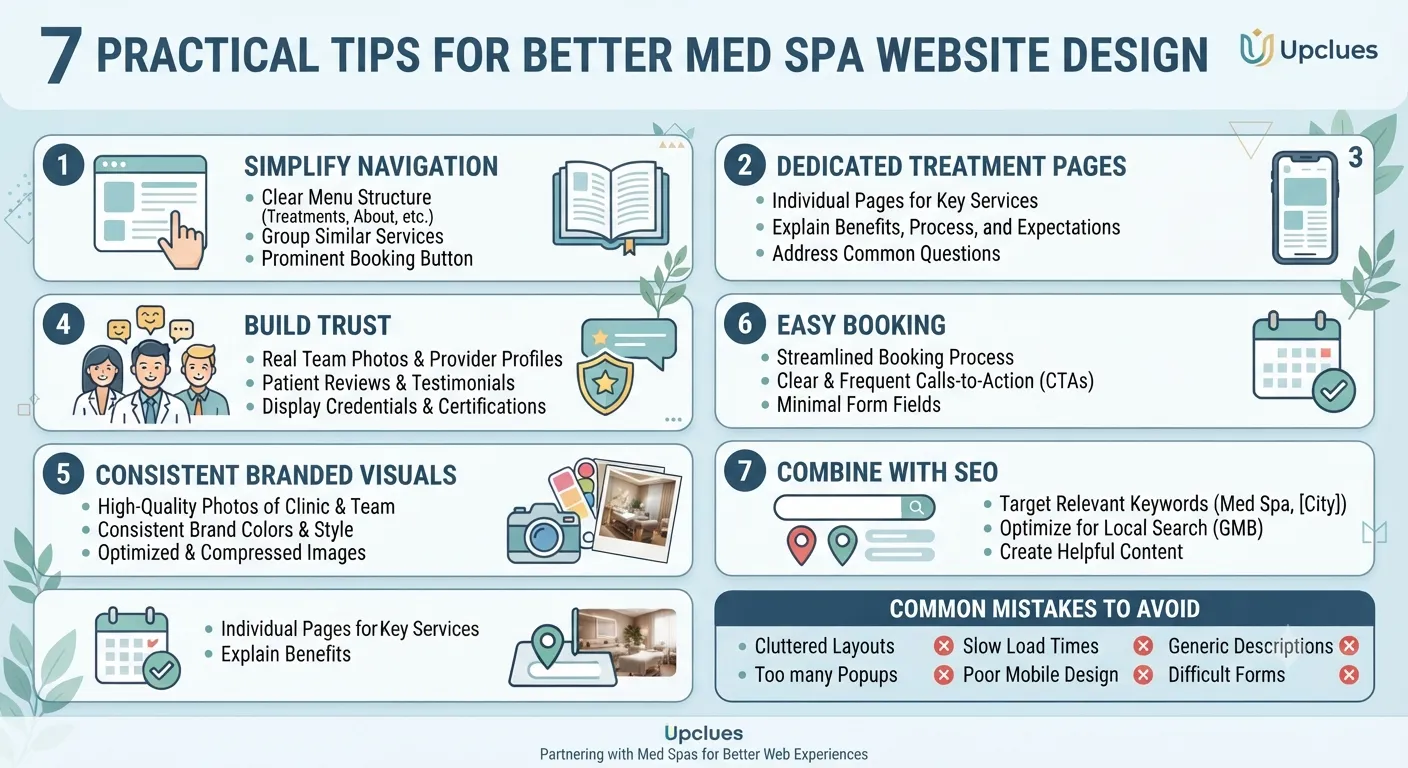
1. Clear Navigation: Menus should be predictable and easy to scan. Users should never have to guess where a link will take them. A flat, simple structure with logical categories keeps people engaged instead of clicking away.
2. Visual Hierarchy: Important elements like headlines, CTAs, and key information should stand out immediately. This is achieved through size, contrast, spacing, and color, not clutter. A clear hierarchy tells the eye exactly where to look first.
3. Consistency Across Pages: Buttons, fonts, and colors should behave the same way on every page. Inconsistent design forces users to relearn the interface each time they move to a new section, which slows them down and increases drop-off.
4. Fast Load Times: A visually stunning design means nothing if it takes too long to load. Every extra second of load time increases the chance a visitor leaves before the page even appears.
5. Mobile Responsiveness: More than half of web traffic now comes from mobile devices. A user-friendly design adjusts smoothly across screen sizes, keeping text readable and buttons tappable without pinching or zooming.
6. Accessible Design: Good design works for everyone, including users with visual or motor impairments. This means readable font sizes, sufficient color contrast, and keyboard-friendly navigation.
7. Meaningful Feedback: When a user clicks a button or submits a form, the interface should confirm the action clearly. Loading indicators, success messages, and error alerts all reduce confusion and build confidence.
8. Simplified Forms: Long, complicated forms are one of the biggest reasons users abandon a page. Asking only for essential information and breaking longer forms into steps keeps completion rates high.
Why Working With Experts Makes a Difference
Understanding these elements is one thing. Applying them correctly across every page, device, and user scenario takes experience and testing. Small details, like button placement or color contrast, can quietly hurt conversions if they are overlooked.
This is where working with Upclues becomes valuable. Experienced teams don't just design screens. They study user behavior, test layouts, and refine every element based on real interaction data, so the final product actually performs, not just looks appealing.
Final Thoughts
A user-friendly UI UX design is not about following trends. It is about removing every unnecessary obstacle between a visitor and the action you want them to take. Clear navigation, consistency, fast performance, and thoughtful feedback all work together to build trust and keep users engaged.
If your website or app feels harder to use than it should, it may be time for a design review. Small, targeted improvements often make the biggest difference in how users experience your brand.
Frequently Asked Questions
What is the difference between UI and UX?
UI refers to the visual elements users interact with, like buttons and layouts. UX refers to the overall experience and journey a user has while using the product.
How do I know if my website is user-friendly?
Check bounce rates, time on page, and where users drop off during key actions like checkout or sign-up. High drop-off at a specific step usually points to a usability issue.
What tools help test usability?
Heatmaps, session recordings, and A/B testing tools like Hotjar or Google Optimize help identify where users struggle on a page.





















Sign in to leave a comment.