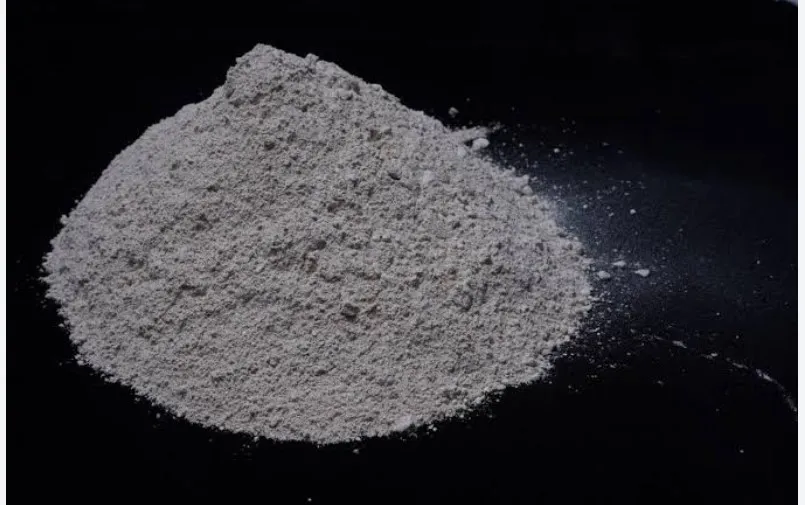

Surface-treated silica is used in many industrial applications where the interaction between particles and surrounding ingredients needs to be controlled. Coatings, adhesives, sealants, plastics, and specialty compounds can all benefit from carefully selected silica grades.
Because materials can differ in surface chemistry, particle structure, and treatment level, evaluation should be systematic. A reliable process considers both laboratory measurements and performance inside the intended formulation.
Begin With Material Characteristics
The first stage of an evaluation is to understand the material being tested.
Important characteristics may include surface area, particle structure, moisture content, surface treatment, and recommended application range.
Technical data provides a baseline, but it should not be considered a complete representation of performance.
Two products may have similar specifications but behave differently during mixing or processing.
Understand Surface Modification
Surface treatment changes the chemical characteristics of silica.
Depending on the treatment, the particles may interact differently with water, organic liquids, resins, or polymers. This can influence dispersion and the final properties of the formulation.
Therefore, the evaluation should consider not only whether a material is surface-treated, but also the intended purpose of that treatment.
Establish Relevant Evaluation Criteria
Not every property needs to be tested for every application.
For a coating, surface wetting and dispersion may be important. For an adhesive, viscosity and mechanical performance may receive greater attention.
Defining the evaluation criteria before testing helps laboratories focus on meaningful results.
Measure Surface Interaction
One approach is to examine how water interacts with a prepared silica surface.
Contact angle measurements can provide an indication of wetting behavior. However, results depend on factors such as surface roughness, sample preparation, temperature, and measurement time.
Therefore, the procedure should be standardized.
Examine Dispersion Behavior
Fine silica particles can form agglomerates, which may influence their effectiveness in a formulation.
During laboratory mixing, researchers can observe whether particles disperse easily and whether the mixture remains uniform.
Microscopic examination or other analytical techniques may also be used when more detailed information is required.
Monitor Rheological Changes
In many formulations, silica affects viscosity and flow behavior.
Changes in surface properties can influence particle-particle interactions and particle-resin interactions. As a result, two silica grades can produce noticeably different rheological behavior at the same loading.
Measuring viscosity under controlled conditions can therefore provide useful application-level information.
Consider Moisture During Storage
Moisture can influence the behavior of fine powders during storage and processing.
Proper packaging and storage conditions can help maintain material consistency. When evaluating different grades, storage history should be documented where possible.
If a product has been exposed to different environmental conditions, this may need to be considered when interpreting laboratory results.
Use Controlled Comparison Procedures
A comparison becomes more meaningful when every candidate is evaluated under the same conditions.
The laboratory should standardize:
- Sample preparation
- Sample quantity
- Mixing procedure
- Temperature
- Humidity
- Testing time
- Measurement equipment
- Data analysis
This reduces experimental variation and makes differences easier to identify.
Evaluate in the Finished Formulation
Standalone testing is useful, but the final formulation provides the most practical context.
A silica material that performs well in a surface test may behave differently after being mixed into a resin or polymer.
For this reason, application-level testing should be included before a final material selection is made.
For further technical background on hydrophobic silica evaluation formulators can review established approaches to comparing surface behavior and then adapt the evaluation to their own application.
Look at the Complete Performance Profile
Material selection should consider the complete performance profile.
Relevant factors can include dispersion, viscosity, stability, processing behavior, surface characteristics, and final mechanical or physical properties.
The objective is to find a suitable balance rather than maximize one isolated parameter.
Document Results Carefully
A well-organized test record makes future development easier.
Each result should be linked to the exact material batch, formulation, loading level, testing conditions, and procedure used.
This information can later help when troubleshooting changes in production or evaluating alternative materials.
Frequently Asked Questions
1. What is the purpose of evaluating surface-treated silica?
The purpose is to understand how the material behaves under controlled conditions and whether its properties suit the intended formulation.
2. Can surface testing predict final product performance?
It can provide useful indicators, but it cannot always predict the complete behavior of a finished formulation. Application-level testing remains important.
3. Why should different silica grades be tested under identical conditions?
Consistent conditions reduce experimental variation and make it easier to determine whether observed differences are genuinely related to the materials.
Conclusion
Evaluating surface-treated silica requires a combination of material characterization, controlled laboratory measurements, and application testing. Surface interaction with water can be an important consideration, but it should be examined alongside dispersion, rheology, storage behavior, and final product requirements.
A structured evaluation process helps manufacturers understand the practical differences between materials and select a silica grade based on evidence rather than a single specification.


























Sign in to leave a comment.