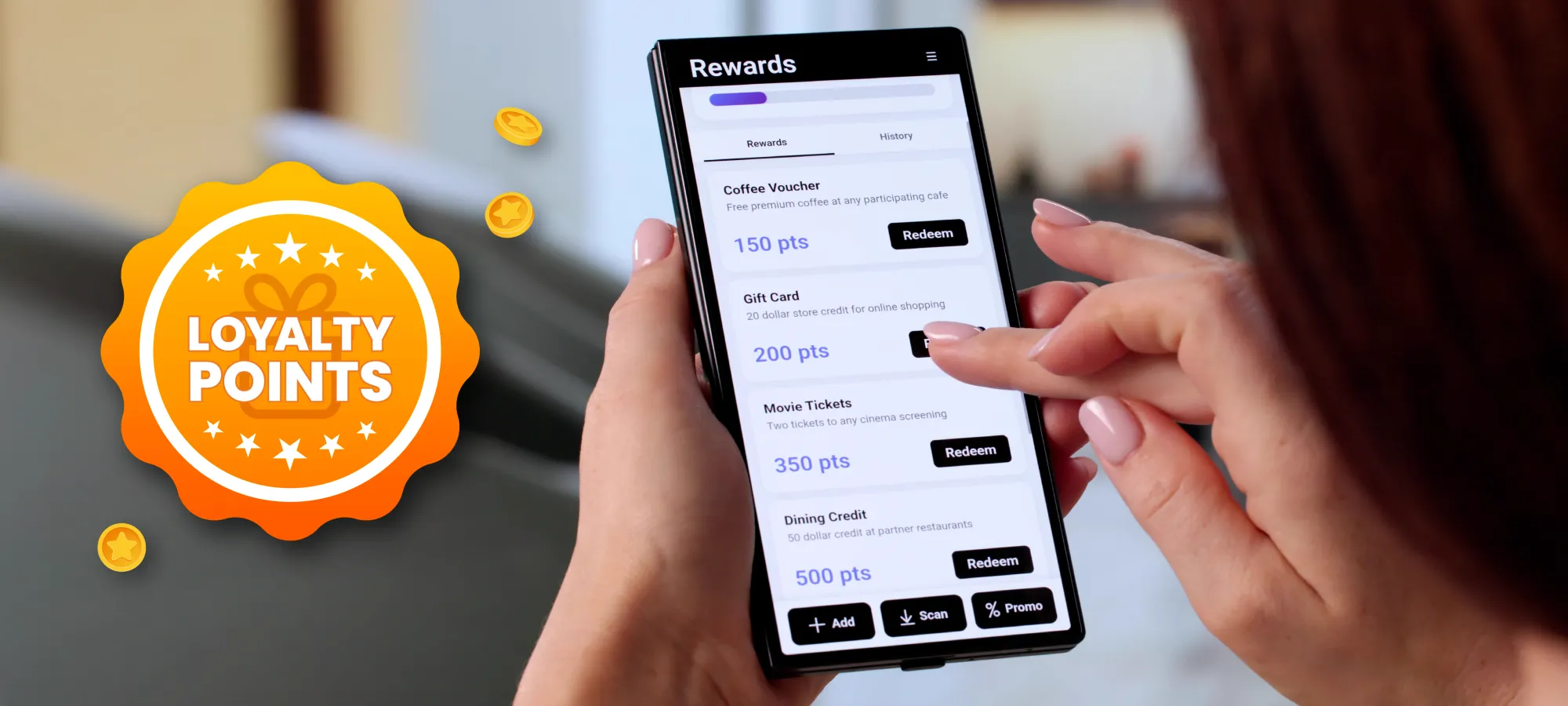

White label loyalty programs give brands the power to launch customized, branded reward experiences without building technology from scratch. But not all platforms are created equally; features make the difference between a program that thrives and one that fades out.
The right set of features helps drive customer engagement, retention, and operational efficiency from day one. Selecting wisely ensures that the loyalty program can scale, adapt, and deliver long-term value.
This blog post guides you about the key features of a white label loyalty program that truly matters for sustainable success.
What Is a White Label Loyalty Program?
It is a pre-built and customizable loyalty program solution developed by a company, which can be rebranded and resold by another company as their own offering.
Its core concept is to offer businesses a ready-made, plug-and-play loyalty platform. The white label loyalty rewards program allows them to quickly implement a useful customer retention strategy without the time, expense, or expertise needed to build the technology from scratch.
Why Features Matter in a White Label Loyalty Platform
Selecting the right features in a white label loyalty platform directly determines how effective, scalable, and profitable the program will be.
Features are not just technical add-ons; they shape customer experience, internal operations, and long-term growth. A well-equipped platform allows brands to launch faster, engage better, and adapt easily as business requirements evolve.
Below are specific features that matter in a white label loyalty program:
Impact on Customer Engagement
Certain useful features like personalized awards, omnichannel access, and gamification keep customers actively involved. Interactive experiences encourage frequent participation and higher program usage. The more engaging the platform, the stronger the emotional connection with the brand.
Impact on Customer Retention
Flexible reward structures and targeted offers motivate repeat purchases and long-term loyalty. Customers are more likely to return when benefits feel relevant and achievable. Strong retention features help convert occasional buyers into loyal advocates.
Scalability
A feature-rich platform supports business growth without system limitations. You can easily add new stores, users, rewards, or campaigns. Scalable features ensure the loyalty program grows seamlessly with the business.
Operational Efficiency
Automation, centralized dashboards, and real-time reporting reduce manual effort. Teams can manage marketing campaigns, rewards, and customer data efficiently from one system. This
saves time and minimizes operational errors.
Cost Optimization
Built-in analytics and automation help in reducing marketing waste and operational costs. Businesses can focus rewards on High-value customers instead of blanket discounts. This improves return on investment (ROI) while controlling expenses.
Speed to Market
Ready-to-use features and integrations enable speedy deployment of loyalty programs. Businesses can launch, test, and optimize campaigns quickly. Faster go-live means quicker customer engagement and revenue impact.
Core Features to Look for in a White Label Loyalty Program
A successful white label mobile loyalty program depends on more than just branding. It relies on a strong set of core features. The right capabilities help businesses engage customers, manage rewards efficiently, and scale the program as they grow.
Selecting a platform having the right foundation ensures long-term performance, flexibility, and measurable ROI.
Following are the core features you need to look for in a white label loyalty program:
Custom Branding and UI Flexibility
A white label loyalty program feels like a natural extension of
your brand. Custom branding and user interface (UI) flexibility allow businesses to apply logos, colors, fonts, and brand tone across all customer touchpoints. This builds customer trust, consistency, and a smooth brand experience.
Full Brand Ownership
A strong white label loyalty program gives complete control over brand identity. Businesses can apply their logos, brand colors, fonts, and tone of voice across all loyalty touchpoints. This ensures that loyalty programs feel like a natural extension of the brand rather than a third-party tool.
Customer-Facing Touchpoints
Branded member dashboards give customers a clear view of
points, rewards, and progress. Customers reward screens and
In-app messaging reinforces brand presence while improving usability and engagement.
Flexible Reward and Earning Structure
Flexible rewards and earning rules allow businesses to create incentives that align with customer behavior and business goals. From points and cashback to tiers and milestone rewards, configurable structures keep the loyalty program engaging and relevant over time.
Multiple Reward Types
An effective loyalty platform supports different reward formats like point-based rewards, cashback, or wallet credits, and tier-based or milestone rewards. This flexibility allows businesses to design incentives that suit customer preferences and buying behavior.
Configurable Earning Rules
Earning rules should be customizable to support spend-based points, visit-based rewards, or behavior-driven actions like customer referrals, reviews, or app installs. Flexible rules help brands motivate the actions that matter the most to their growth strategy.
Customer Segmentation & Personalization
Advanced segmentation allows brands to group customers based on spend, frequency, location, or behavior. Personalization enables targeted offers, relevant rewards, and timely communication. Together, it improves customer engagement, conversion rates, and customer satisfaction.
Advanced Segmentation
Segmentation helps businesses to group customers based on spend, frequency, or behavior. Platforms should support both static segments and dynamic segments, which update automatically based on real-time activity.
Personalized Campaigns
Personalization allows targeted offers, customized promotions, and personalized reward recommendations. Event-triggered communications like birthday rewards or inactivity reminders help in increasing relevance and engagement.
Omnichannel Support
Omnichannel support ensures customers can earn and redeem rewards across online and offline channels. Integration with POS systems, mobile apps, web platforms, and messaging channels creates a unified experience. Consistency across touchpoints strengthens loyalty and convenience.
Online & Offline Integration
A robust loyalty program seamlessly tracks customer activity across offline and online channels. POS-based loyalty tracking, QR codes, receipt scanning, and invoice uploads ensure every purchase is captured, regardless of where it occurs.
Cross-Channel Engagement
Customers should be able to engage via mobile apps, web platforms, short message service (SMS), WhatsApp, and email. Offering consistent experience across different channels improves convenience and strengthens brand loyalty.
Marketing Automation & Communication Tools
Built-in automation tools streamline campaign management and customer communication. Automated reminders, win-back campaigns, and multichannel messaging reduce manual effort. These tools help maintain consistent engagement while improving operational efficiency.
Built-in Campaign Management
Automation tools help simplify loyalty operations by enabling automated reward reminders, win-back campaigns, and re-engagement workflows. This reduces manual effort while maintaining consistent customer communication.
Multichannel Messaging
Integrated push notifications, SMS, WhatsApp, and email marketing ensure timely and relevant communication. Multichannel outreaches increase visibility, improve response rates, and keep customers actively engaged with the loyalty program.
The Bottom Line
Selecting the best suitable white label loyalty rewards program starts by giving priority to features that drive customer engagement, retention, and increase operational efficiency.
From flexible rewards and personalization to omnichannel support and automation, each feature serves as a clear business objective. Aligning platform capabilities with your growth goals ensures the program delivers measurable value, not just participation.




























Sign in to leave a comment.