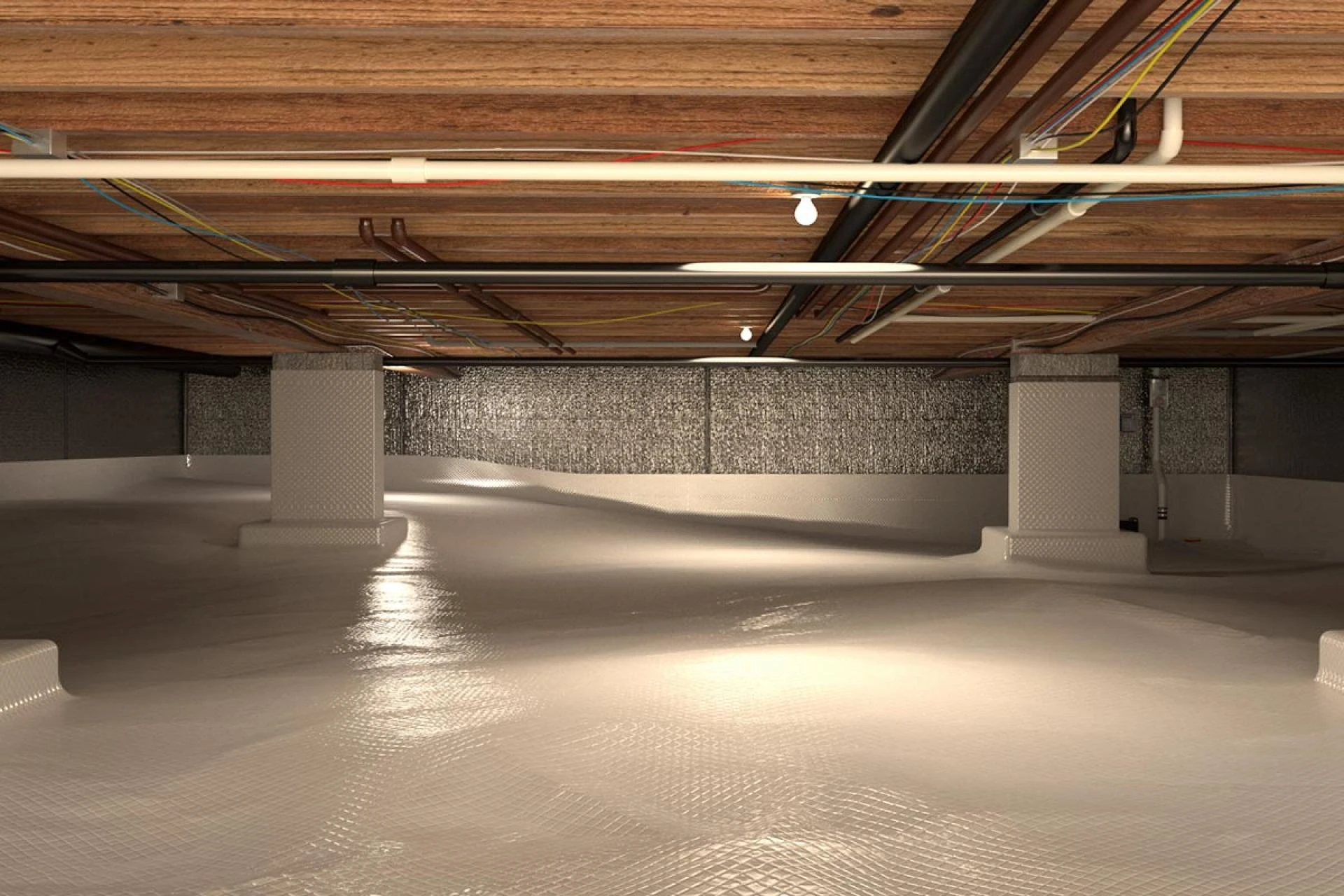

In Decatur, GA, effective insulation isn’t just about lowering energy bills—it’s a direct contributor to year-round indoor comfort, moisture control, and property value. The key insulation features that truly boost comfort include high R-values suited to Georgia’s humid subtropical climate, seamless air sealing, moisture resistance, and correct installation techniques across attics, walls, and crawl spaces. Choosing the right insulation types—like spray foam or blown-in cellulose—based on room function and structural layout is essential for long-term performance.
This guide outlines the most critical insulation elements for properties in Decatur, backed by technical data, local climate needs, and real-world installation insights. Makeover Insulation shares practical knowledge from years of field experience to help homeowners and builders make informed decisions grounded in expert technique and performance metrics.
Why Insulation Matters More in Decatur’s Climate
Decatur experiences hot, humid summers and short, cool winters. Without the right insulation approach, indoor spaces can suffer from excessive heat gain, inconsistent cooling, and moisture intrusion.
Key Insight: Decatur properties often suffer from under-insulated crawl spaces and attics, which significantly impacts HVAC load and interior comfort during peak summer and winter seasons.
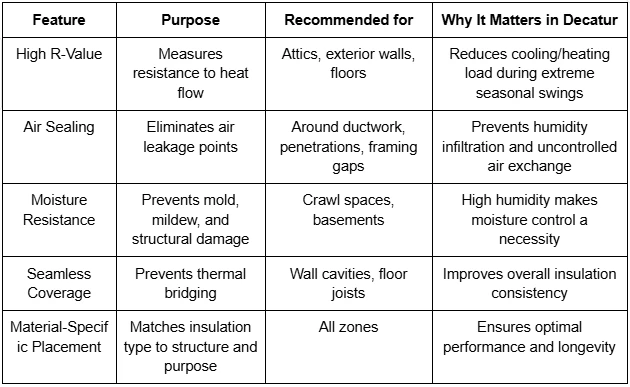
Top Features That Enhance Insulation Performance
Bonus Tip
Ensure insulation types are chosen based on placement and material behavior, not just R-value. For example, spray foam excels in air sealing but must be carefully applied in roof decks to prevent moisture trapping.
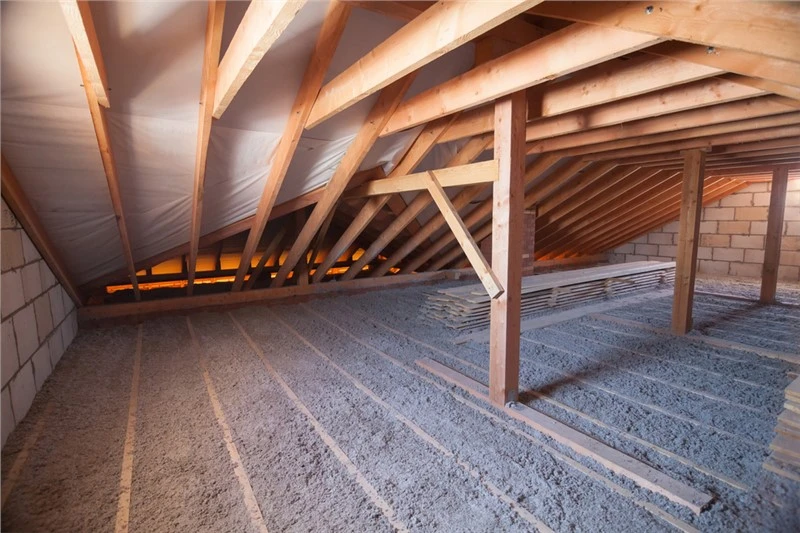
Technical Specifications by Insulation Type
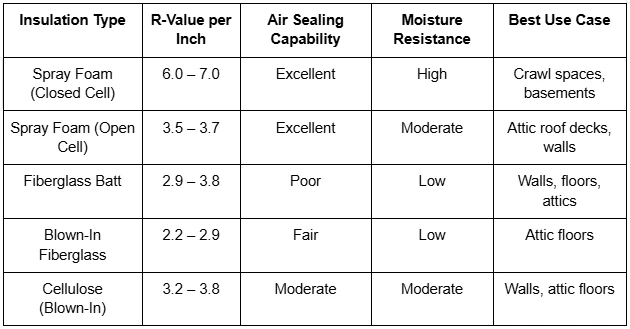
Source: U.S. Department of Energy Building America Guide, 2024 Revision
Real Factors That Affect Insulation Performance
Placement Quality
Even premium insulation fails if not installed uniformly. Gaps, compression, or misaligned batt insulation reduce efficiency by up to 30%, per the Building Performance Institute.
Building Envelope Integration
Air sealing and vapor barriers must be integrated with insulation, especially in wall assemblies and crawl spaces, to prevent thermal bridging and condensation-related damage.
Regional Building Codes
Georgia building code mandates R-30 attic insulation minimum in new constructions (as of 2023). Retrofit projects should aim for R-38 or higher in attic areas to meet comfort needs.
Things to Consider Before Making a Decision
- Structure Age and Design: Older homes may have inconsistent cavity sizes or outdated materials, making spray foam a better retrofit option.
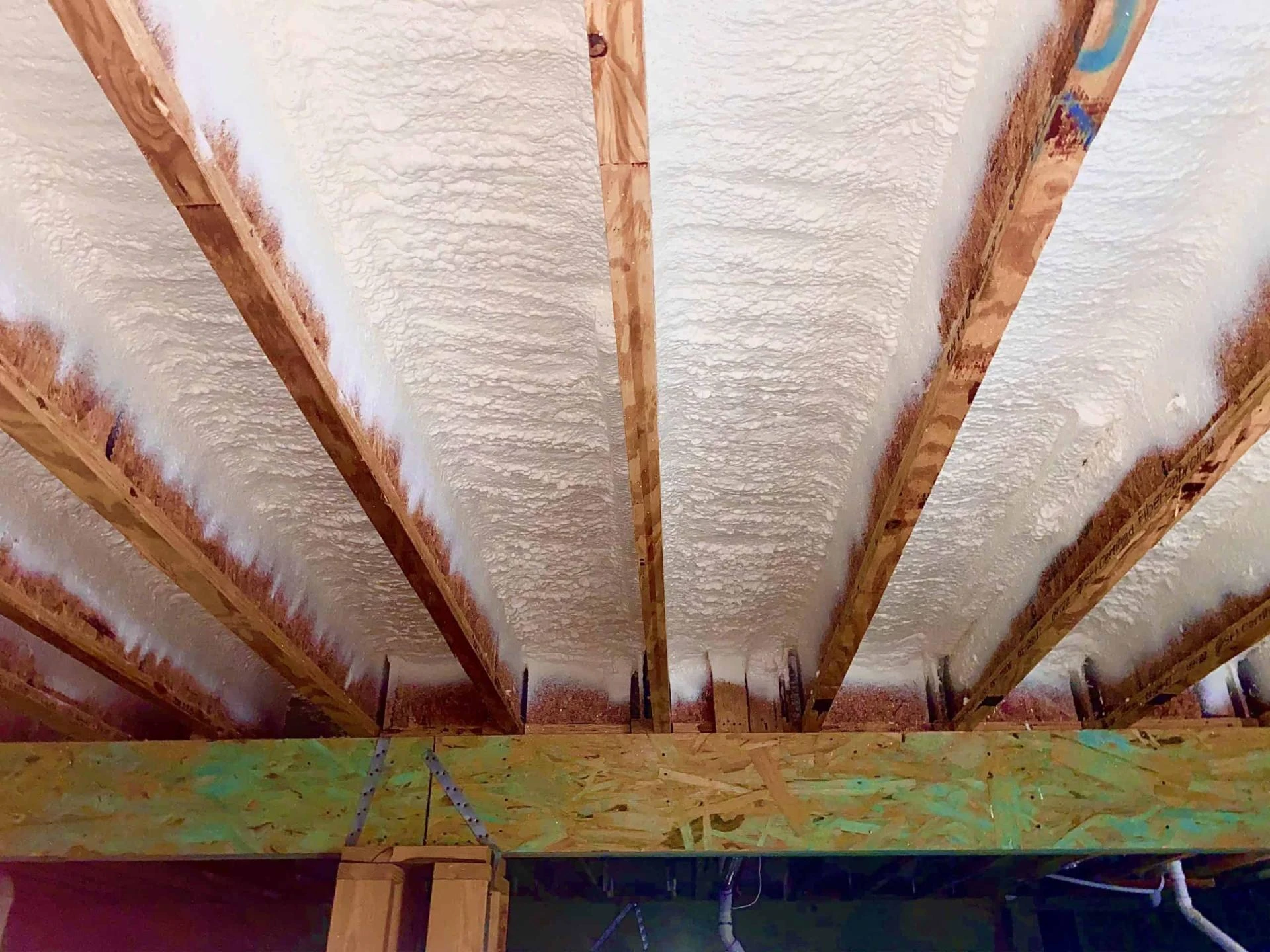
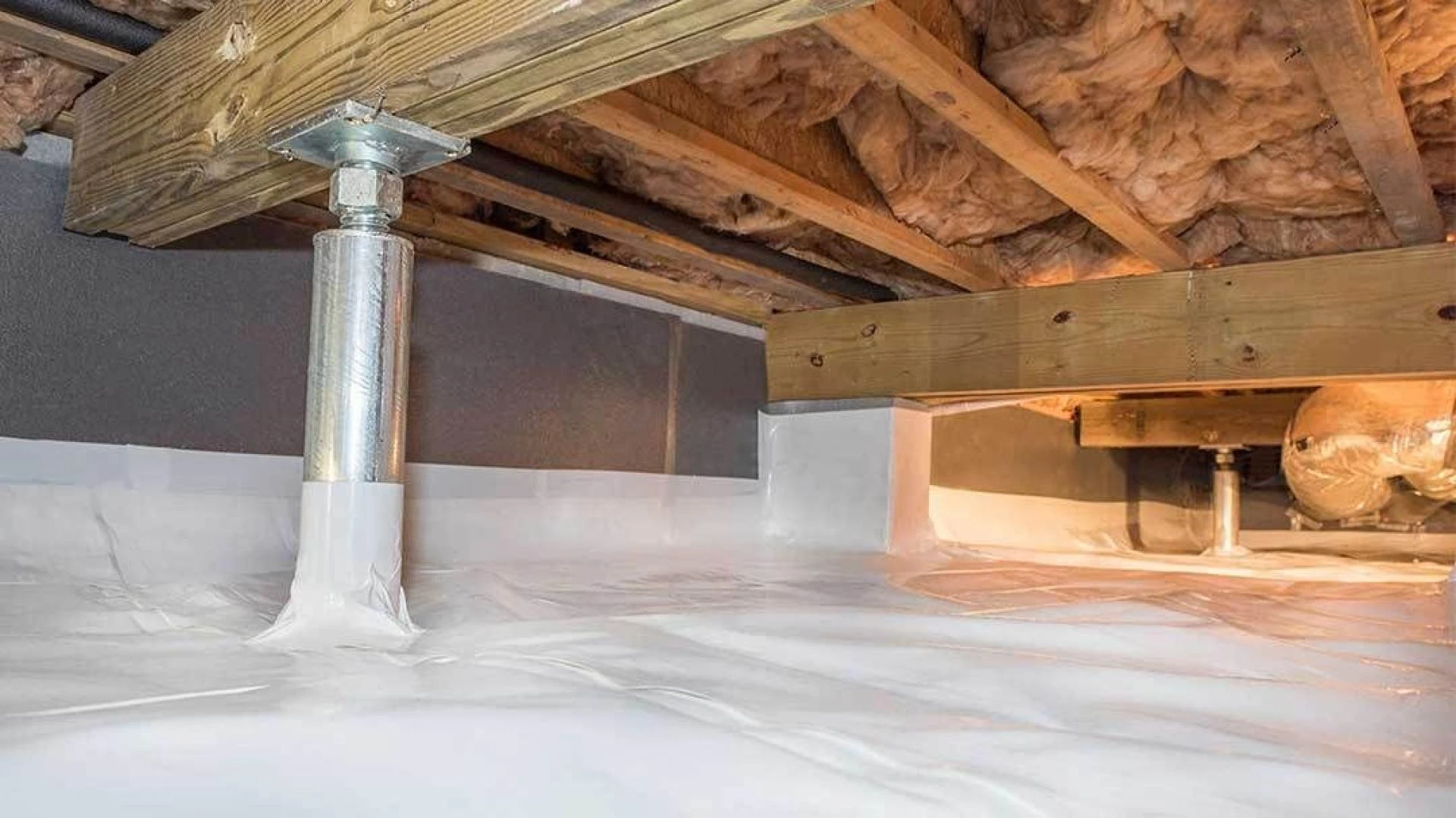
- Humidity Exposure: Crawl spaces and basements should prioritize closed-cell foam for moisture control.
- Access Points: Difficult-to-reach areas (e.g., behind walls or sloped attics) benefit from blown-in cellulose or foam-in-place applications.
- Installation Timing: During renovations or HVAC upgrades is often the best time to optimize insulation without added labor costs.
- Long-Term ROI: Consider payback period and durability. Spray foam may cost more upfront but offers a longer lifespan and integrated air sealing.
Bonus Tip
Installers should always use thermal imaging to verify insulation coverage post-installation, especially in recessed lighting zones and junction boxes.
Relevant Services to Support Your Insulation Strategy
Attic Insulation
Enhances comfort by reducing attic heat gain and preventing HVAC overload.
Blown-In Insulation (Fiberglass/Cellulose)
Flexible for retrofits; excellent for sealing wall cavities and adding attic fill.
Spray Foam Insulation
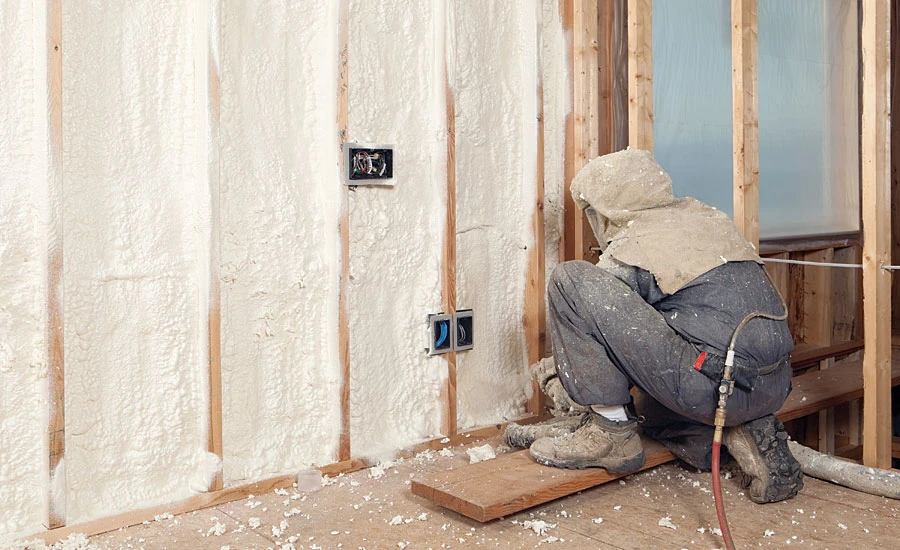
Dual-purpose for air sealing and high R-value in a compact space; ideal for humid climates.
Crawl Space Insulation
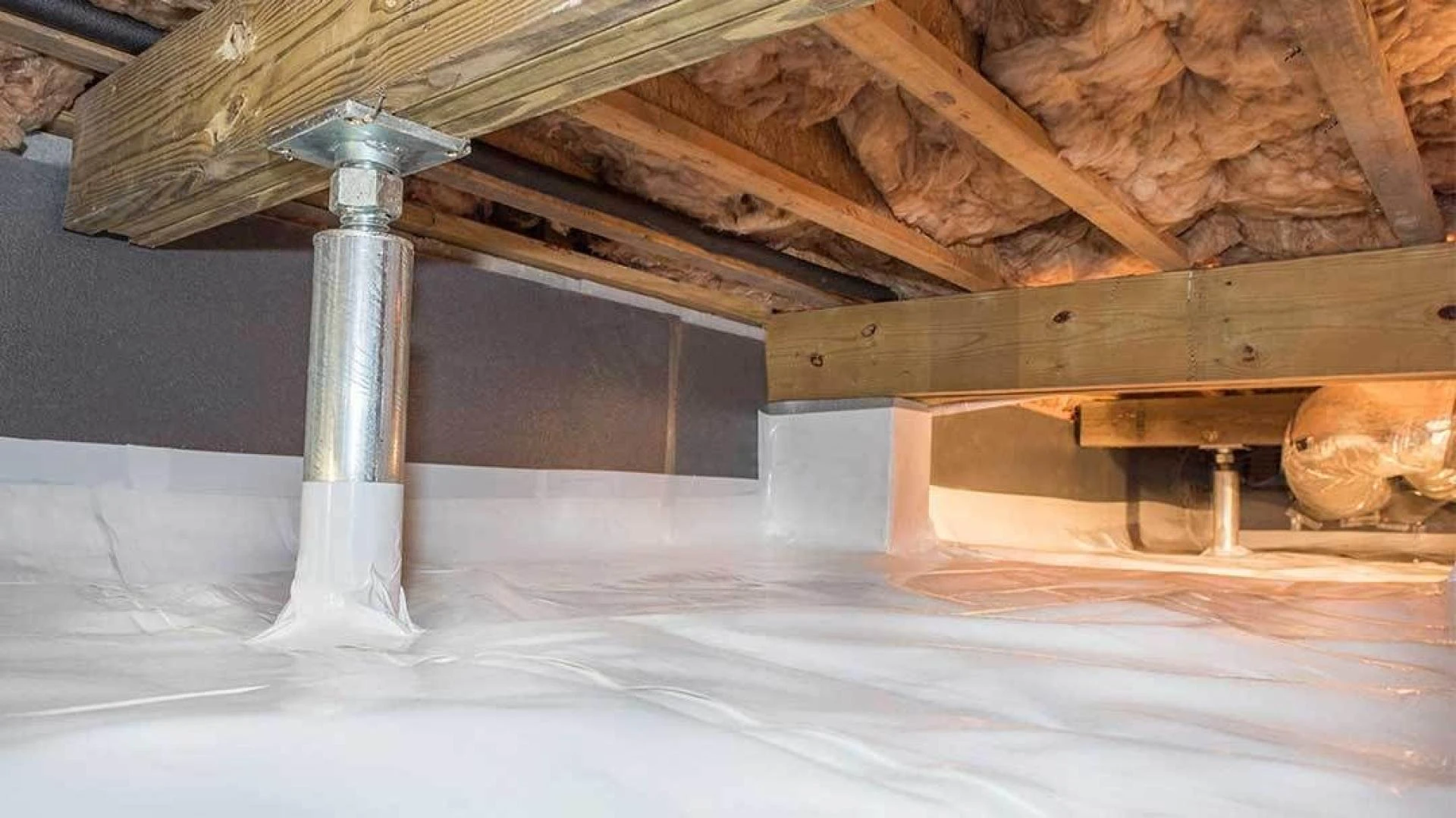
Reduces ground moisture transfer and stabilizes floor temperatures.
Wall Insulation
Improves overall envelope performance and blocks noise transfer.
Floor Insulation
Minimizes heat loss through subfloors, especially above vented crawl spaces.
Batt Insulation
Cost-effective solution for uniform wall cavities with easy installation access.
Insulation Removal
Eliminates moldy, compacted, or ineffective materials safely before new installation.
Air Sealing
Targets and closes leakage pathways around penetrations, ducts, and framing intersections.
Builder Services
Support for new construction projects to integrate code-compliant, efficient insulation systems.
Common Questions Before Choosing Insulation
Which insulation works best for Decatur’s humidity?
Closed-cell spray foam or cellulose due to their better moisture resistance.
Should I prioritize R-value or air sealing?
Both. High R-value slows heat flow; air sealing prevents infiltration. Together, they maximize comfort.
How do I know if my insulation is underperforming?
Hot/cold spots, high energy bills, or visible insulation gaps are strong indicators.
Can I combine insulation types?
Yes. Hybrid solutions like spray foam with batt or blown-in fiberglass are effective for layered performance.
FAQ Section
How often should insulation be inspected or upgraded?
Inspect insulation every 3–5 years or during HVAC replacement. Upgrade when energy use spikes or comfort drops.
Does insulation degrade over time?
Yes. Fiberglass can settle; cellulose may compact. Spray foam maintains form longer but should still be checked.
Can insulation reduce sound between rooms?
Yes. Wall and floor insulation—especially cellulose or batt—can significantly lower sound transfer.
What’s the best option for retrofitting older homes?
Blown-in cellulose or spray foam allows for non-invasive upgrades without major demolition.
Is insulation a good DIY project?
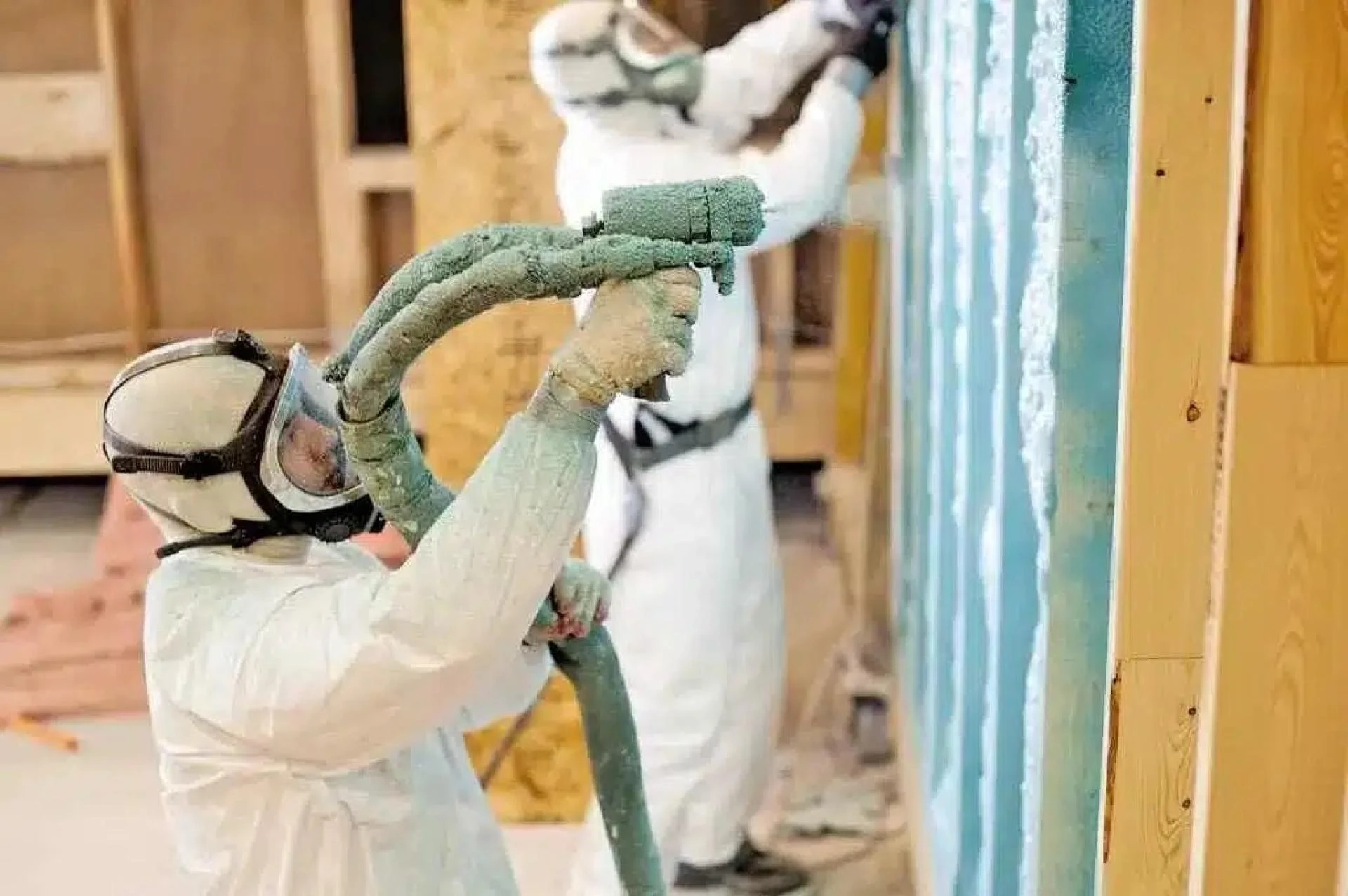
Small batt replacements may be DIY-friendly, but spray foam and blown-in applications require professional handling.
Ready to Achieve Year-Round Comfort and Efficiency?
Apply these insights now: Schedule your tailored insulation performance evaluation with Makeover Insulation. Gain expert guidance rooted in proven application methods for Decatur’s climate.
Contact Makeover Insulation
📞 (470) 664-5300
Reviewer: Ava Clark shared her input based on 6 years of working with spray foam insulation teams. Her focus on customer trust and communication helped shape key parts of this post.

























Sign in to leave a comment.