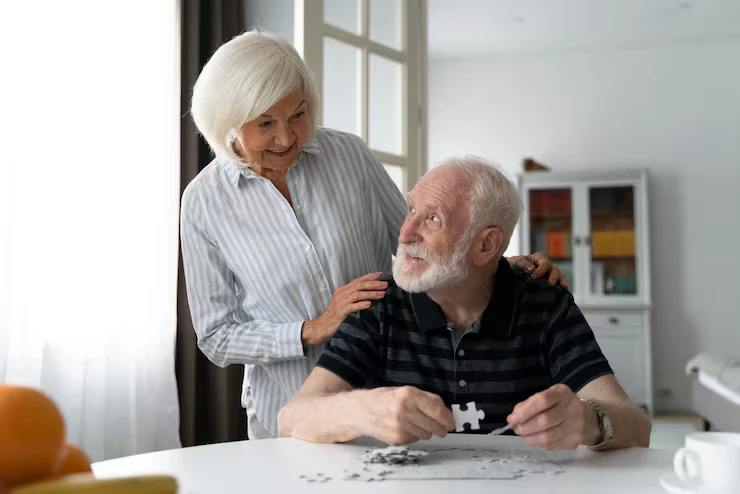

Watching your ageing parents, grandparents, or any of your loved ones struggling with memory loss is truly heartbreaking. What might begin as an occasional and mild forgetfulness, such as not remembering names, misplacing keys, repeating things, or missing medicines, can slowly turn to anxiety and unsafe behaviours.
However, when a memory decline begins to affect the daily activities and emotional well-being of the senior citizens, most families start questioning, “Is it time to think about memory care or wait for a little longer?” The uncertainty is quite natural for families.
But one needs to understand that knowing the right moment for the transition is not about giving up or stepping away from responsibility; rather, it is about ensuring the safety and dignity of the elderly, who deserve compassionate care post-retirement.
In this write-up, we have listed the key signs to help you decide whether memory-assisted living is the wise choice.
What is Assisted Living?
An assisted living community is a housing facility for those who need help with daily tasks but not necessarily intensive nursing care. Many senior citizens with progressive memory-related conditions like dementia, Alzheimer’s, or Parkinson’s disease require professional support, structured routines, and constant supervision, which might not be possible at times to meet at home.
In such situations, exploring memory care in Kolkata, like the one near IIM Calcutta, Joka, provides peace of mind to the families that their loved ones will be safe and supported at every step.
But instead of making impulsive decisions, here are the early signs to watch for.
1. Increased Forgetfulness
Occasional memory loss lapses are normal with ageing. But when persistent forgetfulness interferes with the daily routine, it is definitely a warning sign. For instance, if your loved one repeatedly asks the same questions, gets lost in familiar places, and struggles to follow conversations, memory care is the environment they need.
2. Poor Physical Health
Missed medications, weight loss, inadequate nutrition, and lack of personal hygiene are some of the signs that are quite prevalent in seniors with cognitive impairment. To avoid further deterioration, transitioning them to a memory care in Kolkata ensures that the elderly receive constant care by trained professionals and potential medical emergencies are identified.
3. Safety Risks
A decline in awareness about the surroundings is a major risk for the elderly. For example, leaving the gas stove on, using sharp objects, frequent falls, and wandering away from home often result in fatal accidents as well as constant anxiety among the families. Memory care offers safe spaces and is designed with safety features like a safe environment, fall prevention, round-the-clock monitoring, and professional staff for the residents to move safely while being protected.
4. Behavioural Changes
Progressive mental conditions often bring various emotional changes like mood swings, irritation, anxiety and aggression. If you find your loved one is avoiding interactions or the activities that they used to enjoy, it is probably due to embarrassment about their memory, which further makes them isolated and lonely. Luxury senior living facilities always arrange opportunities for social interaction, like cultural events, group activities, and programs throughout the year to foster relationships and connections.
5. Burnout of the Caregiver
Looking after an ageing loved one with memory loss is extremely challenging and emotionally exhausting. If you or any of the family members are stressed or sleep-deprived, it highly indicates that additional help is required. Choosing memory care in Kolkata is a practical solution, allowing the elderly to get the professional care they need.
Conclusion
Memory loss can be frustrating for everyone, both the person experiencing it and their family members. By recognising the key signs and transitioning them to the right memory care community, you can ensure a supportive environment where they will continue to live in comfort and respect.















Sign in to leave a comment.