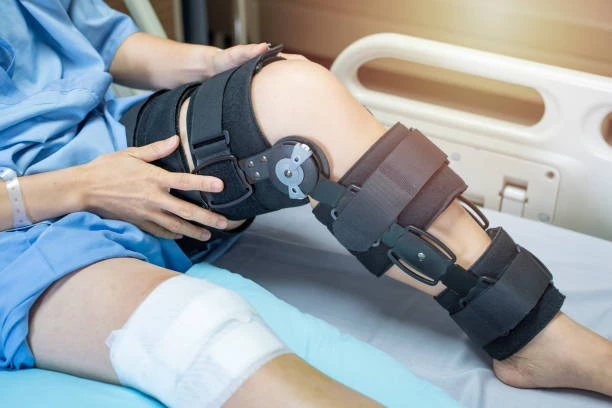

Knee pain or a feeling that the joint may “give way” is a common reason people seek orthopedic care. These symptoms can arise from everyday strain, sports injuries, or age-related wear and tear. However, one of the most frequent underlying causes is damage to the ligaments that stabilize the knee. Understanding how ligament injuries are assessed can help patients make informed decisions and seek timely treatment. This article explains the most important clinical tests used to diagnose knee ligament injuries, why they matter, and when to consult a specialist.
Understanding Knee Ligaments and Their Role
The knee joint relies on four major ligaments to maintain stability and guide movement. The anterior cruciate ligament (ACL) and posterior cruciate ligament (PCL) control forward and backward motion of the tibia, while the medial collateral ligament (MCL) and lateral collateral ligament (LCL) provide side-to-side stability. Injury to any of these structures can lead to pain, swelling, stiffness, or instability.
Ligament injuries often occur during sports that involve sudden stops, twisting, or direct impact. They can also result from falls or road traffic accidents. Because symptoms may overlap with meniscal or cartilage injuries, accurate clinical testing is essential.
Why Clinical Tests Are Essential
Clinical knee tests are physical examinations performed by trained healthcare professionals to assess ligament integrity. These tests help narrow down which ligament may be injured and guide further investigations such as imaging. While MRI scans provide detailed images, clinical tests are often the first and most crucial step in diagnosis.
A thorough examination considers the patient’s history, mechanism of injury, swelling pattern, and range of motion. When combined with specific tests, this approach allows for a reliable initial assessment.
Tests for Anterior Cruciate Ligament (ACL) Injury
The ACL is the most commonly injured knee ligament. Two widely used tests help evaluate its condition.
The Lachman test is considered the most sensitive for ACL injuries. With the knee slightly bent, the examiner gently pulls the tibia forward while stabilizing the thigh. Excessive forward movement compared to the opposite knee suggests ACL damage.
Another commonly used assessment is the anterior drawer test. Here, the knee is bent to 90 degrees, and the tibia is pulled forward. Although useful, this test is slightly less reliable in acute injuries due to muscle guarding.
A positive result in either test often leads to further evaluation and discussion of treatment options, which may include physiotherapy or surgery depending on activity level and severity.
Tests for Posterior Cruciate Ligament (PCL) Injury
PCL injuries are less common and usually result from direct trauma, such as a dashboard injury in car accidents. The posterior drawer test is the primary clinical assessment. With the knee bent, the examiner pushes the tibia backward. Increased backward movement compared to the healthy knee indicates a possible PCL tear.
Another helpful observation is the posterior sag sign. When the patient lies on their back with hips and knees bent, the tibia may appear to sag backward if the PCL is injured. These tests together provide valuable insight into posterior knee stability.
Tests for Medial and Lateral Collateral Ligament Injuries
Collateral ligament injuries typically occur due to a force applied to the side of the knee. The valgus stress test evaluates the MCL by applying inward pressure to the knee while the leg is slightly bent. Pain or excessive opening on the inner side suggests MCL injury.
Similarly, the varus stress test assesses the LCL by applying outward pressure. Increased gapping on the outer side of the knee indicates possible LCL damage. These tests are especially important in contact sports injuries.
When Imaging and Specialist Care Are Needed
While clinical tests are highly informative, imaging such as MRI may be required to confirm the diagnosis or identify associated injuries. Early consultation with an experienced orthopedic specialist ensures accurate interpretation of findings and a tailored treatment plan.
Patients seeking expert evaluation often look for the best orthopedic surgeon in aligarh to ensure comprehensive care, from diagnosis to rehabilitation. Timely management can prevent long-term complications such as chronic instability or early arthritis.
Holistic Care and Trusted Healthcare Providers
Managing knee ligament injuries goes beyond diagnosis. Rehabilitation, patient education, and coordinated care play a vital role in recovery. Healthcare centers like Joint Replacement India emphasize a multidisciplinary approach, combining orthopedic expertise with physiotherapy and patient support.
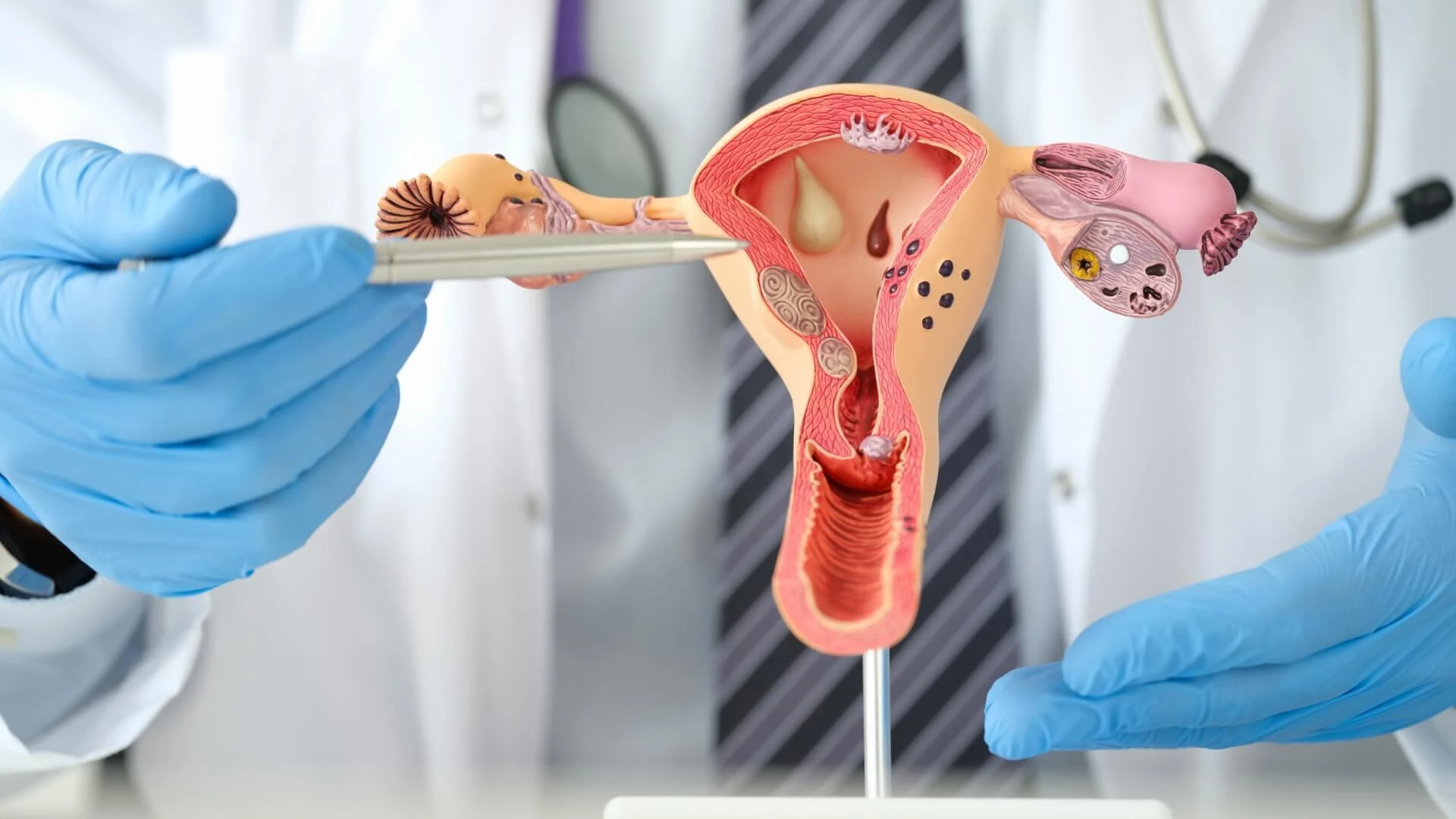
In some cases, families also value access to broader medical services under one roof. This is why institutions recognized as the best maternity hospital in aligarh often gain trust for their overall healthcare standards, benefiting patients across different life stages.
Conclusion
Knee pain and instability should never be ignored, especially when they affect daily activities or athletic performance. Clinical tests for ligament injuries are a cornerstone of accurate diagnosis and effective treatment planning. By understanding these tests and seeking timely professional care, patients can take an active role in protecting their knee health and ensuring a safe return to movement.



Sign in to leave a comment.