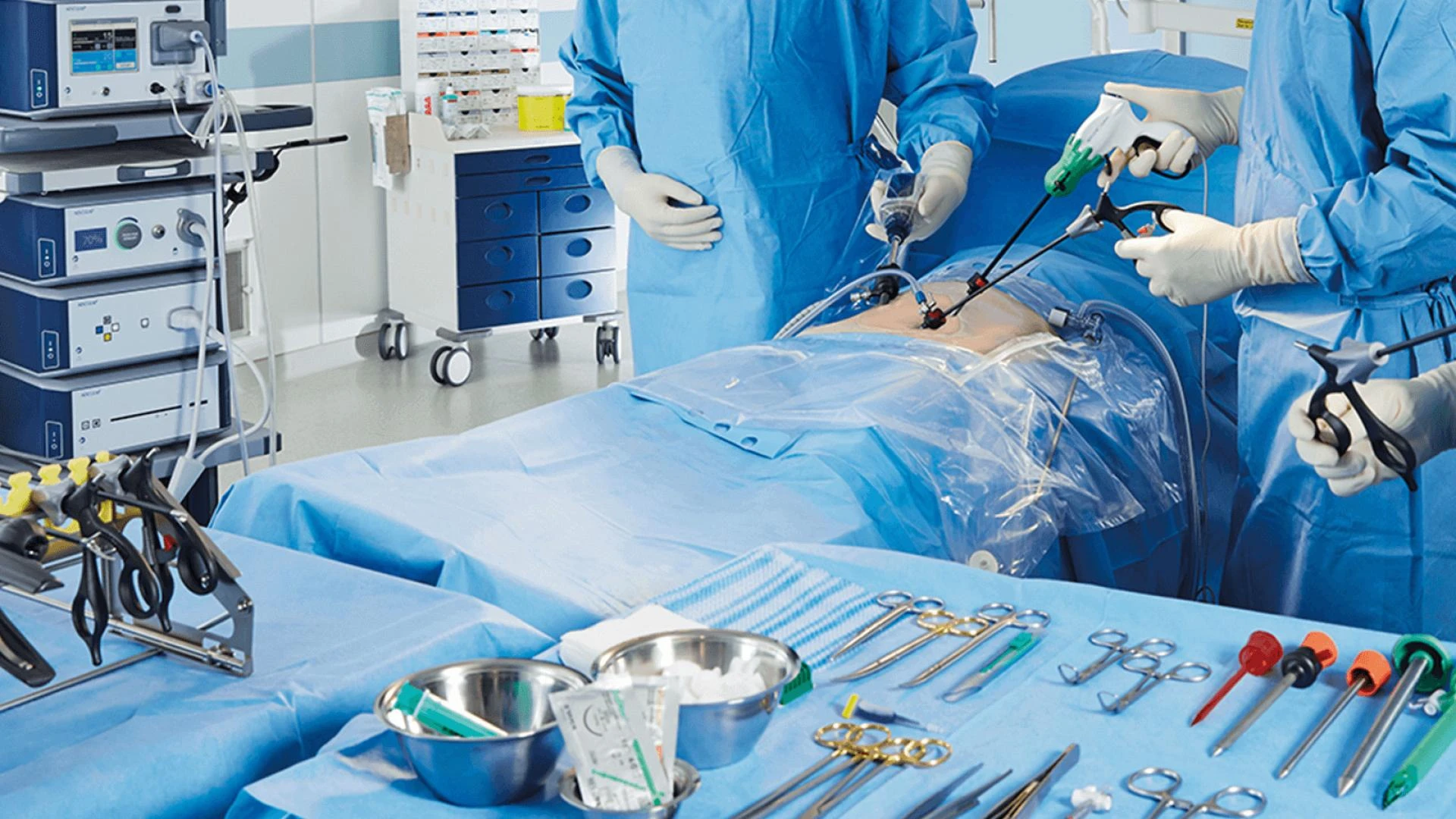

In recent decades, surgical medicine has shifted from traditional open procedures to more advanced, patient-centric methods. Minimally invasive surgery (MIS) stands at the forefront of this evolution, utilizing specialized instruments and imaging technology to perform complex operations through tiny incisions. For patients, this shift represents more than just a technological milestone; it translates into a safer, faster, and less painful journey toward recovery.
Reduced Postoperative Pain and Trauma
The most immediate advantage of minimally invasive surgery is the significant reduction in physical trauma to the body. In traditional open surgery, large incisions are often necessary to provide the surgeon with a direct view and physical access to the internal organs. This process frequently involves cutting through skin, underlying fat, and significant muscle layers.
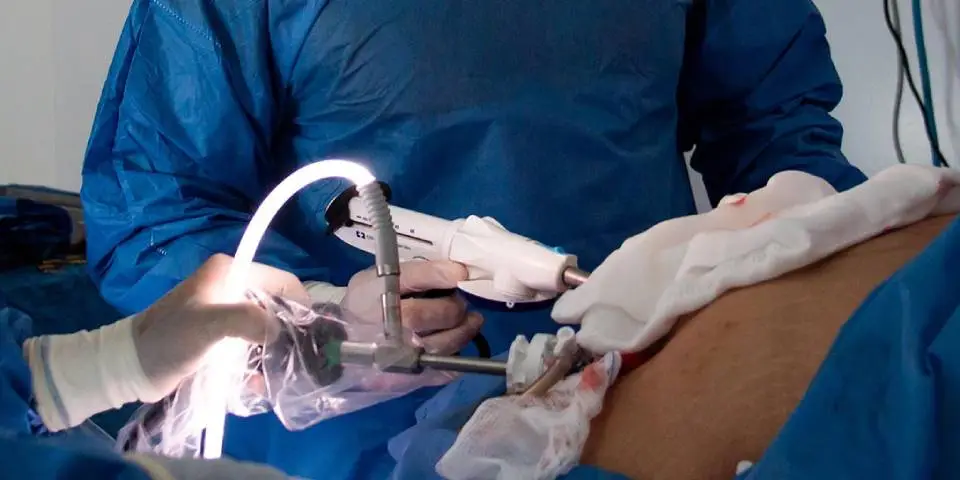
In contrast, MIS requires only a few "keyhole" incisions, usually less than half an inch long. Because there is minimal disruption to muscles and nerves, patients experience substantially lower levels of pain after the procedure. This reduced trauma not only improves the immediate comfort of the patient but also decreases the body’s inflammatory response, leading to a smoother initial healing phase.
Shorter Hospital Stays and Faster Recovery
Minimally invasive techniques have revolutionized the timeline of surgical recovery. Since the body does not have to repair large abdominal or thoracic incisions, the healing process is accelerated. Clinical studies consistently show that MIS patients are often discharged within one to three days, compared to the week-long stays frequently required for open surgeries.
For many, this means returning to the comfort of their own home sooner. The ability to resume daily activities, such as walking, driving, and returning to work, is also greatly enhanced. This efficiency is particularly beneficial for those seeking specialized care in regional hubs. For instance, finding a best orthopedic surgeon in aligarh who utilizes these modern techniques can mean the difference between months of bed rest and a swift return to an active lifestyle.
Lower Risk of Infection and Complications
Patient safety is the primary goal of any surgical intervention. Minimally invasive surgery offers a clear edge in reducing postoperative complications. Large open wounds are more susceptible to environmental contaminants, increasing the risk of surgical site infections (SSIs). With the smaller incisions used in MIS, the internal tissues have less exposure to the external environment, significantly lowering infection rates.
Furthermore, MIS is associated with reduced blood loss during surgery. Because the surgeon uses high-definition cameras to navigate with extreme precision, they can avoid major blood vessels and delicate structures more effectively. This precision minimizes the need for blood transfusions and reduces the likelihood of complications such as blood clots or respiratory issues that can arise from prolonged immobility after major surgery.
Improved Cosmetic Outcomes
While health is the priority, the cosmetic result of a surgery is a valid concern for many patients. Traditional surgery often leaves long, prominent scars that can take years to fade. Because minimally invasive procedures use such small entry points, the resulting scars are often barely visible once healed. These "keyhole" scars are easily concealed and result in much higher patient satisfaction regarding their physical appearance following the procedure.
Versatility Across Medical Fields
The benefits of MIS are not limited to a single specialty. From cardiac and gastrointestinal procedures to orthopedic and gynecological care, these techniques are becoming the gold standard. In Aligarh, Joint Replacement India Aligarh has been instrumental in bringing these advanced protocols to the local community, ensuring that patients receive global-standard care close to home.
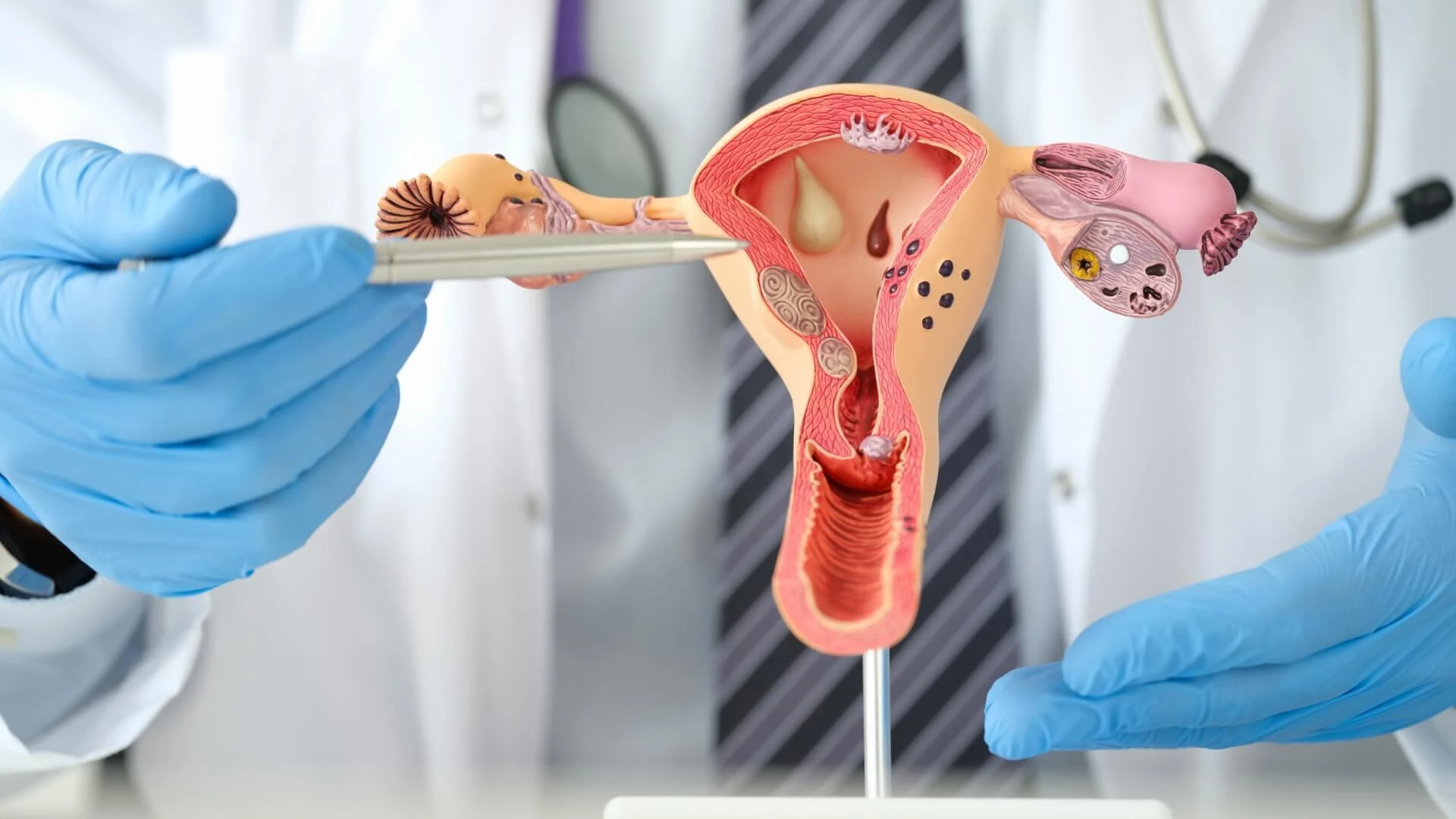
The precision of these methods is especially vital in multi-specialty care. For families looking for comprehensive healthcare, knowing that a facility also provides top-tier maternal services—akin to what one would expect at the best maternity hospital in aligarh—provides immense peace of mind. Whether it is a joint reconstruction or a delicate gynecological procedure, the principle remains the same: minimal intervention for maximum patient benefit.
Long-Term Health and Financial Benefits
Beyond the clinical advantages, minimally invasive surgery offers long-term value. While the technology involved may be sophisticated, the overall cost of care is often lower due to shorter hospital stays and fewer postoperative medications. Patients also avoid the indirect costs of "lost time," such as extended leaves from work or the need for long-term home nursing care.
By choosing MIS, patients invest in a future where their recovery is measured in days rather than months. As technology continues to improve, these procedures will only become more accessible, further cementing their role as the preferred choice for modern surgical care.
























Sign in to leave a comment.