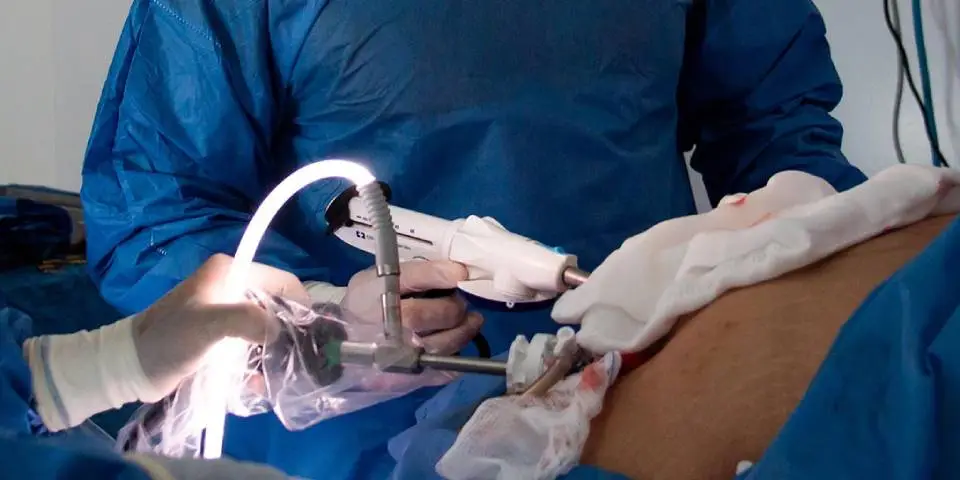

Appendicitis is one of the most common surgical emergencies worldwide. It occurs when the appendix, a small pouch attached to the large intestine, becomes inflamed. If left untreated, the appendix can rupture, leading to life-threatening infections. The standard treatment is an appendectomy—the surgical removal of the appendix.
Historically, this was performed through a single, large incision in the lower right abdomen, a method known as open surgery. However, with the advancement of medical technology, laparoscopic surgery has become the gold standard in many hospitals. Patients often choose their surgical approach based on recovery time and scarring, but a critical long-term factor to consider is the risk of developing an incisional hernia.
Defining Incisional Hernias
An incisional hernia occurs when abdominal tissue or an organ pushes through a weakened area in the muscle wall created by a previous surgical incision. This complication can happen months or even years after the initial procedure. While many factors influence hernia formation—including obesity, age, and wound infection—the type of surgical technique used plays a significant role in the structural integrity of the abdominal wall.
When evaluating the risk between laparoscopic and open appendectomies, researchers focus on how the abdominal wall is breached and how it heals. At modern facilities like Joint Replacement India, surgeons prioritize techniques that minimize trauma to the fascia, thereby reducing the likelihood of these post-operative complications.
The Open Appendectomy Approach and Hernia Risks
In an open appendectomy, the surgeon makes an incision approximately two to four inches long. This requires cutting through the skin, underlying fat, and the abdominal muscles or fascia. Because the incision is relatively large, the tension placed on the wound during the healing process is significant.
Statistically, open surgery carries a slightly higher risk of incisional hernias compared to minimally invasive methods. This is often attributed to the size of the wound and a higher incidence of surgical site infections (SSIs). When a wound becomes infected, the tissue strength is compromised, making it much easier for a hernia to develop later. Patients seeking an expert general surgery doctor in aligarh often discuss these risks during pre-operative consultations to ensure they are making the most informed decision for their long-term health.
The Laparoscopic Appendectomy Approach and Hernia Risks
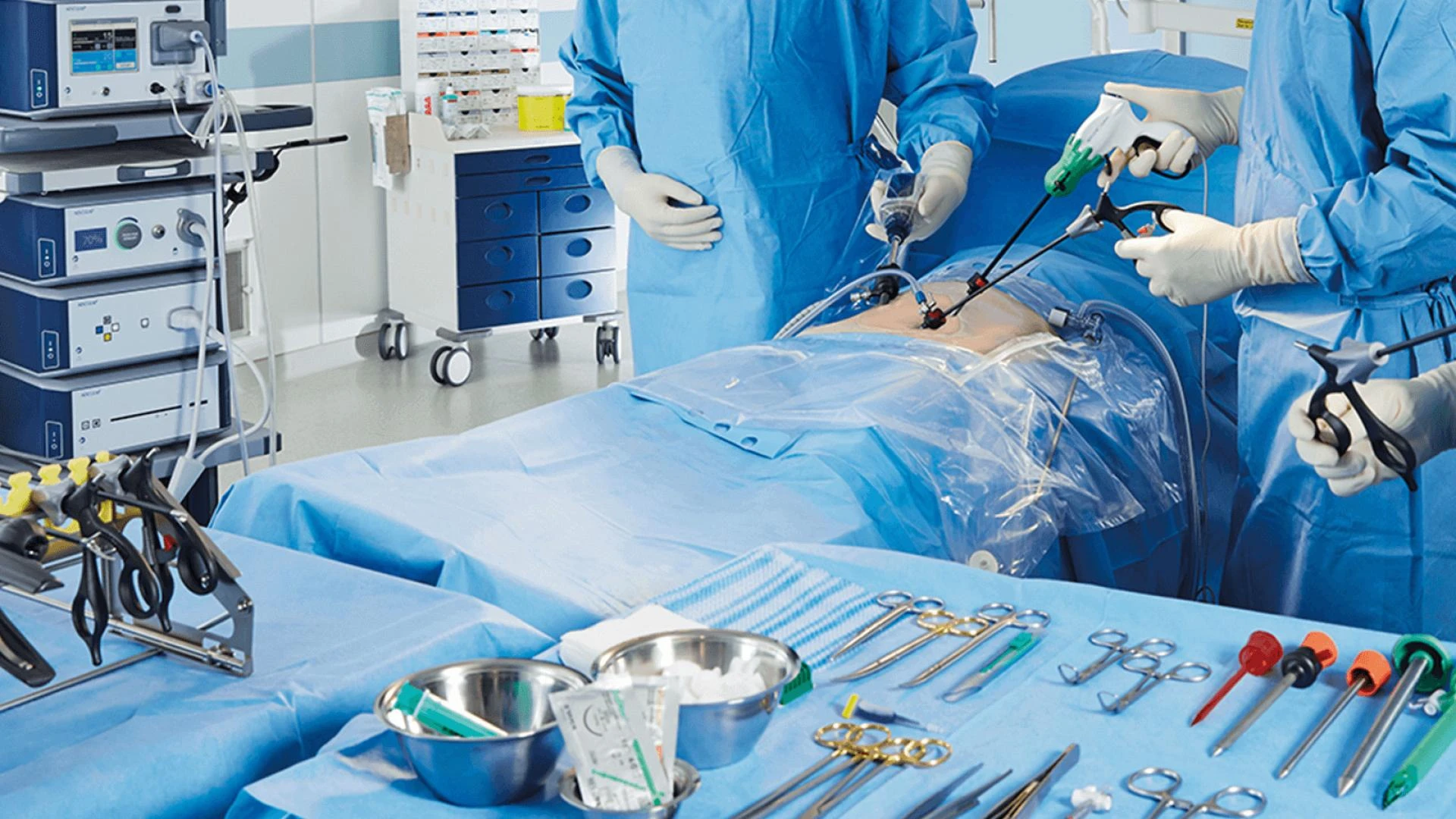
Laparoscopic surgery, often called "keyhole surgery," involves making three or four tiny incisions, usually no more than half an inch each. A camera and specialized tools are inserted through these small ports to remove the appendix. Because the primary incisions are so small, the overall trauma to the abdominal wall is drastically reduced.
However, laparoscopic surgery is not entirely free of hernia risks. A specific type called a "trocar site hernia" can occur at the location where the surgical ports were inserted. While the overall rate of hernias in laparoscopic procedures is lower (often cited below 1%), the risk increases if the surgeon has to enlarge one of the small incisions to extract a particularly inflamed or large appendix.
Comparative Analysis: Which Has the Higher Risk?
When comparing the two, clinical data generally suggests that laparoscopic appendectomy has a lower overall rate of incisional hernia. The primary reasons include:
- Reduced Incision Size: Smaller holes mean less disruption of the muscle fibers.
- Lower Infection Rates: Minimally invasive surgery is associated with fewer wound infections, which is a leading precursor to hernia formation.
- Better Visualization: Surgeons can often see the internal structures more clearly, allowing for precise movements that preserve tissue health.
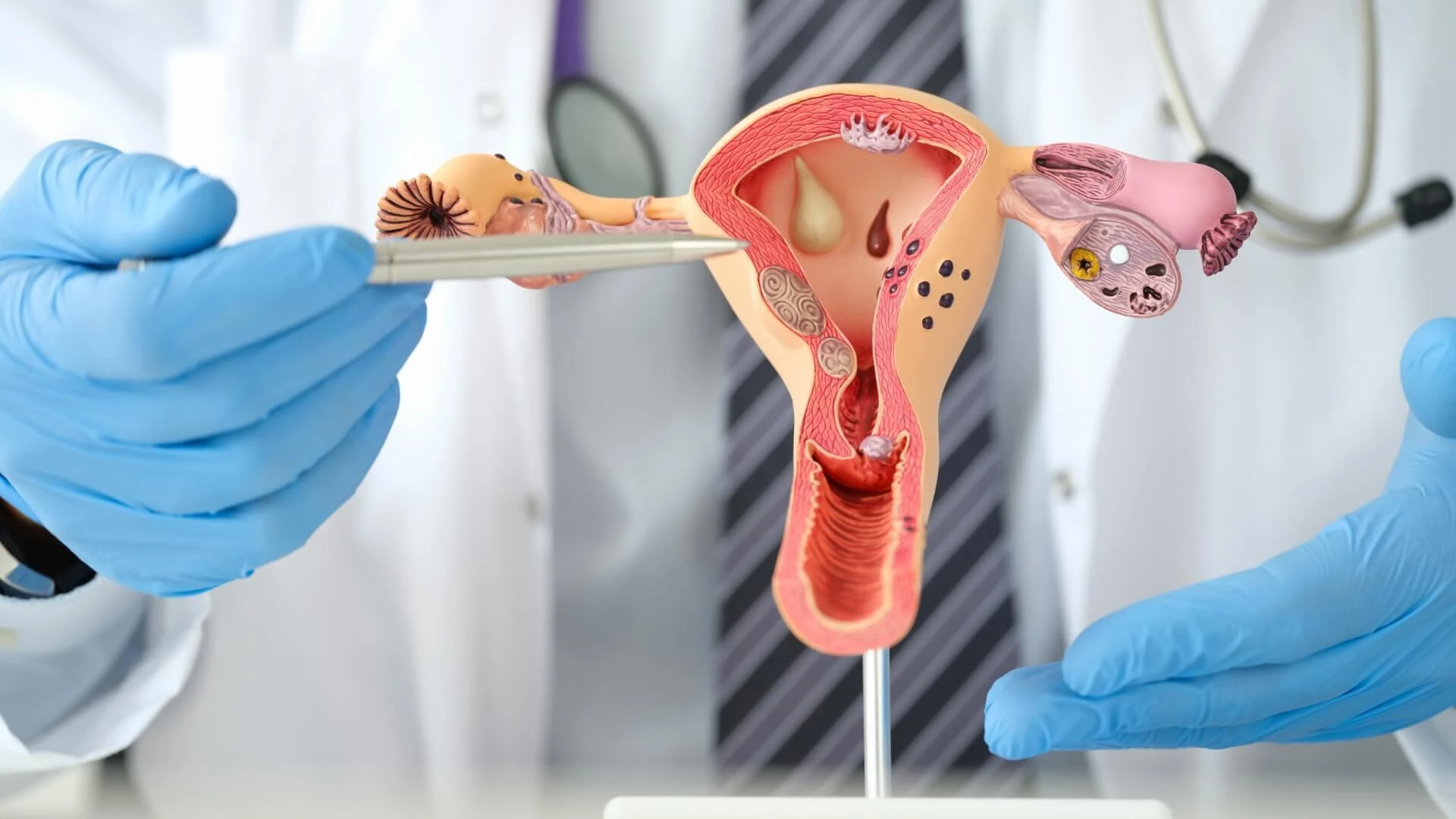
Despite the lower risk in laparoscopic cases, the "open" method remains necessary for complex cases, such as a severely ruptured appendix with widespread infection. In these scenarios, the priority shifts from hernia prevention to life-saving infection control. For families planning for various healthcare needs, including specialized care at the best maternity hospital in aligarh, understanding the nuances of surgical recovery is essential for long-term family wellness.
Factors That Influence Hernia Formation
Beyond the surgical technique itself, several patient-specific factors can increase the risk of a hernia regardless of the method used. These include:
- Smoking: Nicotine constricts blood vessels and slows down the healing process of the surgical wound.
- Obesity: Increased intra-abdominal pressure puts constant strain on the incision site.
- Diabetes: Poor blood sugar control can lead to slower healing and a higher risk of infection.
- Post-operative Strain: Lifting heavy weights or intense physical activity too soon after surgery can pull the healing tissues apart.
Joint Replacement India emphasizes comprehensive post-operative care to manage these risks. By following a strict recovery protocol, patients can ensure that their abdominal wall heals strongly, whether they underwent an open or laparoscopic procedure.
Conclusion and Final Recommendations
In the debate of laparoscopic vs. open appendectomy, the evidence points toward the laparoscopic approach as having the lower risk for incisional hernias. The smaller incisions and reduced risk of infection provide a structural advantage during the healing phase. However, the "best" surgery is always the one that is safest for the patient’s specific clinical condition.
If you are diagnosed with appendicitis, the most important step is to consult with a qualified surgical team who can evaluate your medical history and the severity of the inflammation. Choosing a reputable center ensures that you receive the highest standard of care, minimizing the chances of long-term complications like hernias and ensuring a swift return to your daily life.



























Sign in to leave a comment.