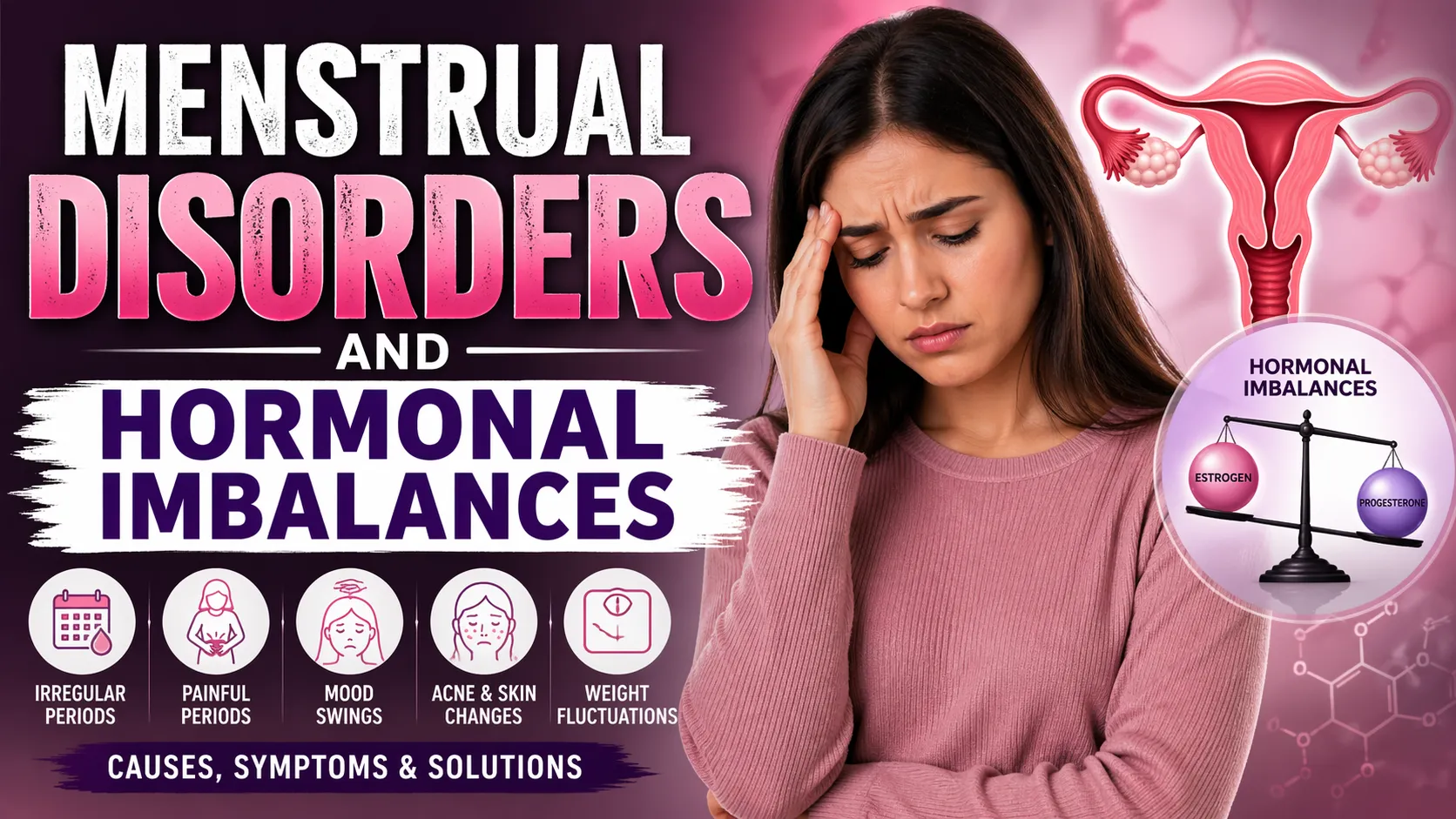

Menstrual health is a vital indicator of a woman’s overall well-being. While many women experience minor discomfort during their cycle, persistent irregularities often signal underlying hormonal shifts or medical conditions that require professional attention. Menstrual disorders can range from heavy bleeding and painful cramps to absent periods or extreme mood swings.
Hormones like estrogen and progesterone act as chemical messengers, regulating everything from the reproductive cycle to metabolism and mood. When these hormones fall out of balance, the body often responds with physical symptoms that can disrupt daily life. Consulting a specialist is the first step toward reclaiming your health and ensuring that minor issues do not escalate into long-term complications.
Common Types of Menstrual Irregularities
Menstrual disorders manifest in several ways, each requiring a tailored approach to diagnosis and treatment. One of the most common issues is Menorrhagia, characterized by abnormally heavy or prolonged bleeding. This condition can lead to anemia and fatigue if left untreated. Conversely, Amenorrhea refers to the absence of menstruation, which may be caused by stress, excessive exercise, or thyroid issues.
Dysmenorrhea, or severely painful periods, is another frequent concern. While mild cramping is normal, intense pain that prevents daily activities may indicate conditions like endometriosis or fibroids. Recognizing these patterns early allows patients to seek the expertise of top gynaecologist and obstetrician doctors in aligarh who can provide a comprehensive evaluation and personalized care plan.
The Role of Hormones in Women’s Health
Hormonal health is the foundation of a regular menstrual cycle. The endocrine system must function in perfect harmony to trigger ovulation and menstruation. Conditions such as Polycystic Ovary Syndrome (PCOS) are prime examples of how hormonal imbalances can cause irregular periods, acne, and weight gain. In PCOS, elevated levels of androgens (male hormones) interfere with the regular release of eggs from the ovaries.
Thyroid disorders also play a significant role in menstrual health. An overactive or underactive thyroid can cause periods to become very light, very heavy, or stop altogether. Because hormones affect almost every organ system, addressing these imbalances requires a holistic view of the patient’s health, combining lifestyle changes with medical intervention where necessary.
Diagnostic Steps for Menstrual and Hormonal Issues
A gynecologist typically begins a diagnosis by reviewing the patient’s menstrual history and conducting a physical examination. Tracking your cycle—including the duration, flow intensity, and any pain—is incredibly helpful for your doctor. Modern diagnostic tools have made it much easier to pinpoint the exact cause of discomfort.
Ultrasounds are frequently used to check for structural abnormalities like polyps, fibroids, or ovarian cysts. Blood tests are equally essential to measure hormone levels, including thyroid-stimulating hormone (TSH), FSH, and prolactin. In Aligarh, Renuka Hospital Aligarh offers advanced diagnostic facilities that allow women to undergo these tests in a comfortable and professional environment, ensuring accurate results for a targeted treatment strategy.
Treatment Options for Menstrual Disorders
Treatment for menstrual disorders is never a one-size-fits-all solution. For many, hormonal birth control methods, such as pills, patches, or hormonal IUDs, are effective in regulating the cycle and reducing heavy flow. These methods work by stabilizing hormone fluctuations and thinning the uterine lining.
In cases where medication is not enough, minimally invasive procedures might be recommended. For instance, uterine artery embolization or endometrial ablation can treat fibroids and heavy bleeding without the need for major surgery. The goal of any treatment plan is to improve the patient’s quality of life while preserving reproductive health whenever possible.
Managing Hormonal Imbalances Through Lifestyle
While medical treatments are essential, lifestyle modifications serve as a powerful supportive therapy for hormonal issues. Diet plays a crucial role; consuming a balance of healthy fats, fiber, and lean proteins helps stabilize insulin levels, which is particularly beneficial for women with PCOS. Regular physical activity also helps manage stress hormones like cortisol, which can otherwise interfere with reproductive hormones.
Stress management techniques, such as yoga or meditation, are highly recommended. Chronic stress can lead to "hormone hijacking," where the body prioritizes stress response over reproductive functions. Integrating these healthy habits ensures that the body is in the best possible position to respond to clinical treatments provided by the best maternity hospital in aligarh.
The Importance of Regular Screenings
Prevention and early detection remain the best tools in women’s healthcare. Many hormonal problems develop gradually, and regular check-ups allow doctors to catch changes before they become symptomatic. Annual exams, including pelvic exams and necessary screenings, help maintain a clear picture of reproductive health across different stages of life, from puberty to menopause.
Renuka Hospital Aligarh emphasizes the importance of consistent follow-ups for women dealing with chronic conditions like PCOS or endometriosis. By maintaining a relationship with a trusted healthcare provider, patients can adjust their treatment plans as their bodies change, ensuring long-term health and vitality.
When to See a Doctor
It is important to know when a "bad period" is actually a medical concern. You should schedule an appointment if you experience bleeding that lasts longer than seven days, periods that occur more frequently than every 21 days, or if you experience bleeding between periods. Sudden, severe pain or the cessation of periods for more than three months (if not pregnant) are also red flags.
Seeking help early can prevent complications such as infertility or chronic pelvic pain. Modern gynecology offers a wide range of solutions that can restore balance to your life. With the right medical guidance and a proactive approach to wellness, most menstrual and hormonal disorders can be managed effectively, allowing women to live healthy, uninterrupted lives.




























Sign in to leave a comment.