

Women's health needs change throughout different stages of life, making regular gynecological care an essential part of overall well-being. A gynecologist not only treats reproductive health conditions but also helps prevent diseases through routine checkups, early diagnosis, and personalized guidance. From managing menstrual concerns to supporting pregnancy and menopause, timely treatment can improve both physical and emotional health. Understanding the most common gynecologist treatments allows women to seek medical care confidently and address health concerns before they become serious.
Why Regular Gynecological Care Matters
Many women visit a gynecologist only when they experience pain or unusual symptoms. However, preventive healthcare plays a significant role in maintaining long-term reproductive health. Routine consultations help detect infections, hormonal disorders, cervical abnormalities, and other conditions at an early stage when treatment is usually more effective.
Regular examinations also provide an opportunity to discuss menstrual health, contraception, fertility planning, and lifestyle habits that may affect reproductive wellness. Early intervention often reduces the risk of complications and improves treatment outcomes.
Treatment for Menstrual Disorders
Irregular, painful, or heavy menstrual cycles are among the most common reasons women consult a gynecologist. Menstrual disorders can result from hormonal imbalance, thyroid problems, polycystic ovary syndrome (PCOS), fibroids, or other medical conditions.
Treatment depends on the underlying cause and may include:
- Hormonal medications
- Pain management therapies
- Lifestyle modifications
- Nutritional guidance
- Further diagnostic testing when required
Proper evaluation helps restore regular cycles while improving comfort and overall quality of life.
Managing Vaginal Infections and Urinary Problems
Vaginal infections are common and may be caused by bacteria, fungi, or parasites. Symptoms often include itching, unusual discharge, irritation, burning sensation, or unpleasant odor.
A gynecologist performs a thorough examination and recommends appropriate medications based on the type of infection. Prompt treatment prevents recurring infections and reduces the risk of complications affecting reproductive health.
Urinary tract infections are also frequently treated during gynecological consultations, particularly among women who experience repeated episodes. Early treatment helps relieve discomfort and prevents infection from spreading to the kidneys.
Diagnosis and Treatment of PCOS
Polycystic ovary syndrome is a hormonal condition affecting many women of reproductive age. Symptoms may include irregular periods, excessive hair growth, acne, weight gain, and difficulty conceiving.
Treatment usually focuses on managing symptoms while reducing long-term health risks. Depending on individual needs, care may include hormone therapy, medications to improve insulin sensitivity, weight management plans, and fertility support.
Regular monitoring ensures that symptoms remain under control while reducing the risk of diabetes, cardiovascular disease, and infertility.
Cervical Screening and Preventive Care
Preventive screening remains one of the most valuable services provided by gynecologists. Cervical screening helps identify abnormal cell changes before they develop into cervical cancer.
Women may also receive HPV vaccination guidance, breast examinations, and advice regarding reproductive health according to their age and medical history. These preventive measures significantly improve long-term health outcomes through early detection.
Pregnancy Care and Prenatal Monitoring
Gynecologists provide complete care throughout pregnancy, ensuring the health of both mother and baby. Prenatal visits monitor fetal growth, maternal health, nutrition, blood pressure, and overall pregnancy progress.
Expecting mothers can also learn about the importance of early pregnancy scan benefits for fetal health to understand how early imaging supports accurate pregnancy assessment, confirms fetal development, and helps identify potential concerns at the earliest stage.
Regular prenatal care encourages healthier pregnancies while reducing complications during delivery.
Fertility Evaluation and Treatment
When couples face difficulty conceiving, gynecologists perform comprehensive fertility evaluations to identify possible causes. Female fertility may be affected by ovulation disorders, blocked fallopian tubes, endometriosis, hormonal imbalance, or age-related factors.
Doctors may recommend blood tests, ultrasound examinations, ovulation monitoring, or additional diagnostic procedures before creating an individualized treatment plan.
Understanding fertility challenges is equally important for both partners. Educational resources such as 8 facts on infertility in men and women india tips can help couples gain better awareness while preparing for appropriate medical consultation.
Treatment for Fibroids, Ovarian Cysts, and Endometriosis
Many women develop benign gynecological conditions that require medical monitoring or treatment. Fibroids, ovarian cysts, and endometriosis are among the most frequently diagnosed disorders.
Depending on symptoms and severity, treatment options may include:
- Observation with regular follow-up
- Medication for symptom control
- Hormonal therapy
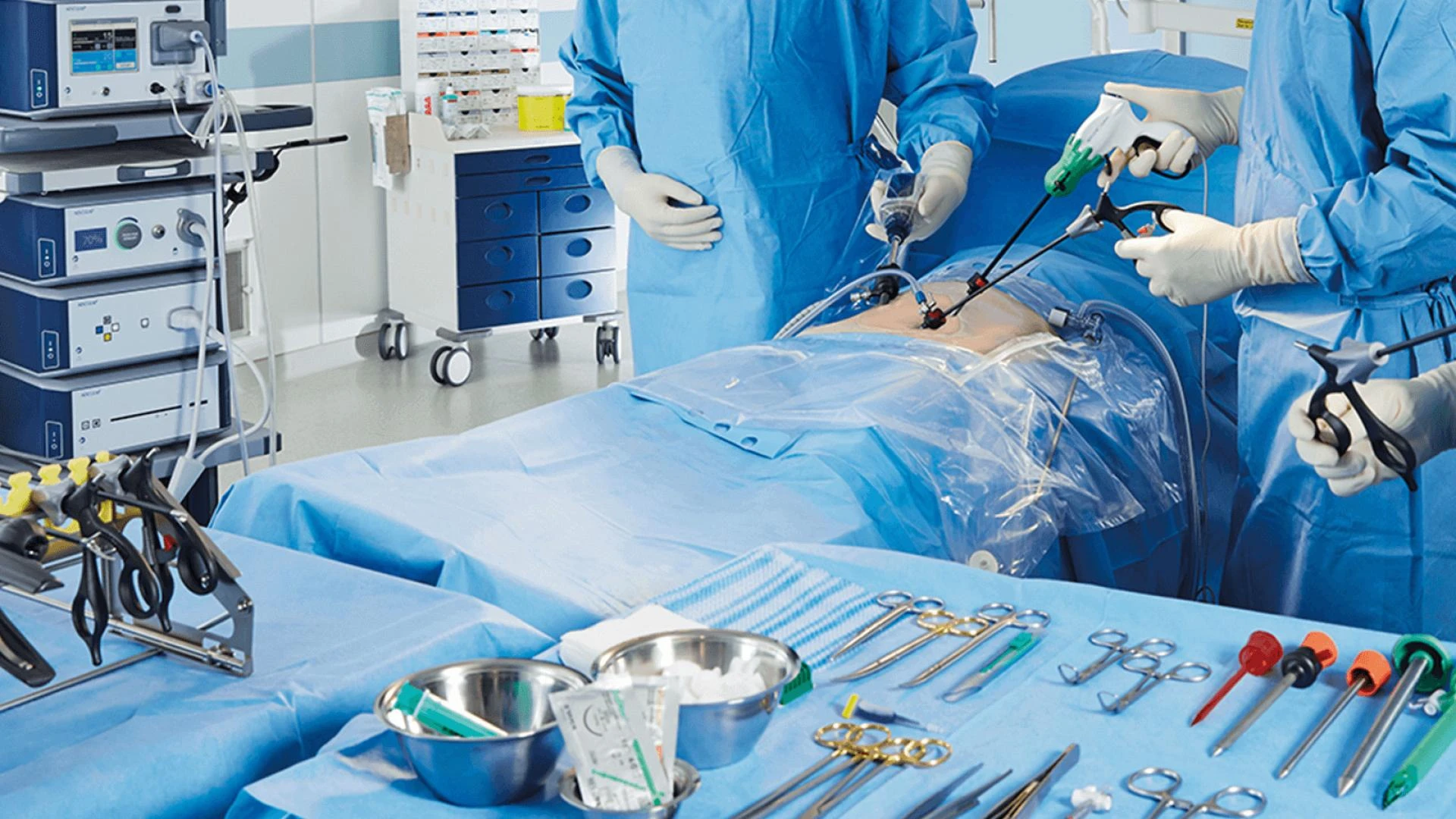
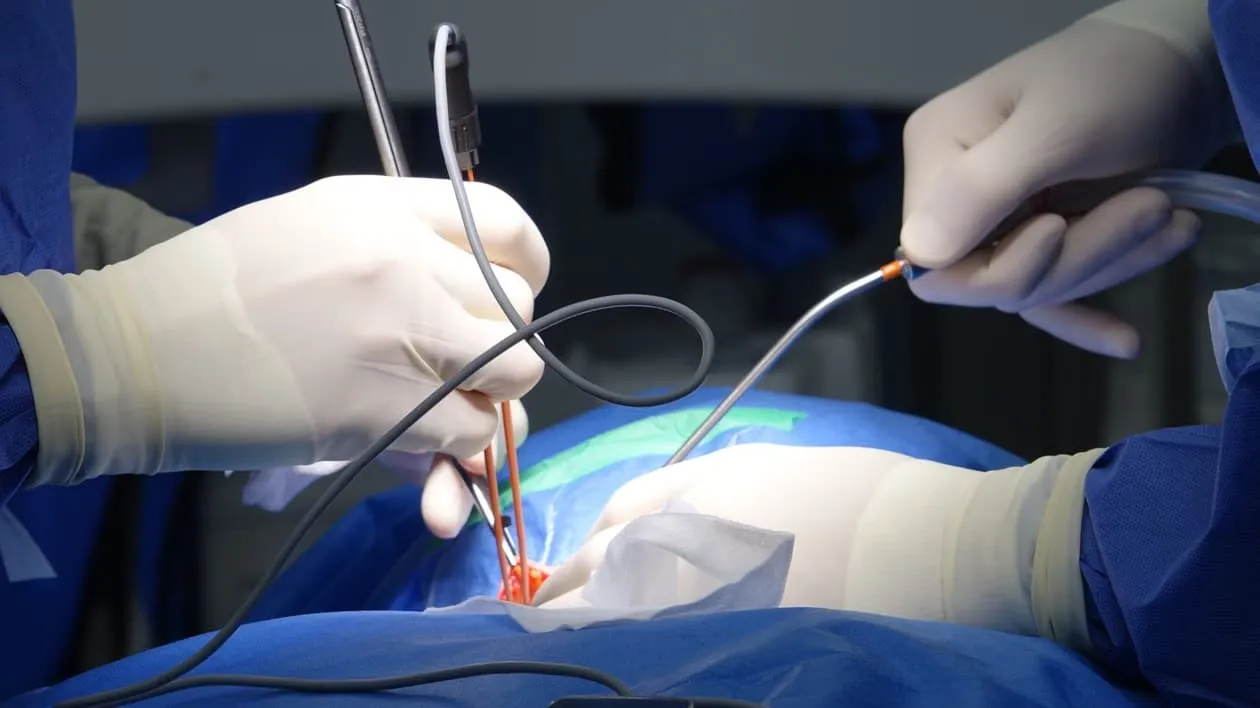
- Minimally invasive surgical procedures
- Advanced surgical management when necessary
Individualized treatment aims to relieve pain, preserve fertility whenever possible, and improve daily functioning.
Menopause Management
Menopause is a natural stage in every woman's life, but hormonal changes can produce uncomfortable symptoms including hot flashes, mood changes, sleep disturbances, vaginal dryness, and reduced bone density.
Gynecologists provide personalized treatment plans that may include hormone replacement therapy, nutritional counseling, exercise recommendations, and medications to manage symptoms safely.
Proper menopause care helps women maintain an active, healthy, and comfortable lifestyle during this important transition.
Choosing Trusted Gynecological Care
Selecting an experienced healthcare provider is an important step toward maintaining lifelong reproductive health. Women should feel comfortable discussing sensitive concerns openly and receiving evidence-based treatment tailored to their individual needs.
Those seeking expert consultation can learn more about top gynaecologist and obstetrician doctors in aligarh to better understand available specialist services and comprehensive women's healthcare options.
For patients looking for compassionate and dependable medical care, Renuka Hospital Aligarh offers experienced gynecological services supported by modern diagnostic facilities and patient-focused treatment. The hospital emphasizes preventive care, timely diagnosis, personalized treatment planning, and continuous support across every stage of a woman's life.
Conclusion
Gynecologists play a vital role in protecting women's health through preventive screenings, early diagnosis, effective treatments, and ongoing reproductive care. Whether managing menstrual disorders, treating infections, supporting pregnancy, addressing fertility concerns, or guiding women through menopause, timely medical attention helps prevent complications and improves quality of life.
Regular gynecological consultations empower women to make informed healthcare decisions while maintaining long-term reproductive wellness. By seeking professional care when symptoms arise and attending routine checkups, women can safeguard their health and enjoy greater confidence throughout every stage of life.

























Sign in to leave a comment.