

Spinal problems can affect people of different ages and may develop because of aging, injuries, poor posture, repetitive activities, or certain medical conditions. Common concerns include lower back pain, neck pain, slipped or herniated discs, spinal stenosis, sciatica, spinal deformities, and nerve compression. While many cases improve with rest, exercise, medicines, and physical therapy, persistent or severe symptoms may require evaluation by a spine specialist.
A spine surgeon focuses on diagnosing conditions affecting the spine, spinal cord, nerves, and supporting structures. Importantly, seeing a spine surgeon does not always mean surgery is necessary. Specialists usually consider non-surgical treatments first when they are appropriate and recommend an operation only when it is likely to provide meaningful benefits.
How Spine Surgeons Evaluate Symptoms
Diagnosis generally begins with a detailed discussion about the patient's symptoms and medical history. The surgeon may ask when the pain started, where it is located, whether it spreads to the arms or legs, and what activities make it better or worse. Information about previous injuries, treatments, medications, and existing health conditions can also help identify possible causes.
A physical examination is another important part of the assessment. The surgeon may check spinal movement, posture, muscle strength, reflexes, sensation, walking ability, and signs of nerve irritation. These observations can help determine whether symptoms are related to muscles, joints, discs, nerves, or another spinal structure.
Diagnostic Tests Used for Spinal Conditions
Imaging tests may be recommended when symptoms are persistent, severe, unusual, or associated with neurological changes. X-rays can show the alignment of the spine, bone structure, fractures, and some age-related changes. They may also help identify problems such as abnormal spinal curvature or instability.
Magnetic resonance imaging, commonly called an MRI, provides detailed images of discs, nerves, the spinal cord, and soft tissues. It can help identify disc herniation, nerve compression, spinal stenosis, infections, or other abnormalities. A CT scan can provide detailed information about bones and may be useful when evaluating fractures or complex spinal structures.
In selected situations, additional tests such as nerve conduction studies or electromyography may help assess nerve function. The choice of testing depends on the symptoms and findings from the clinical examination.
Treating Spinal Problems Without Surgery
Many spinal conditions can be managed without an operation. Depending on the diagnosis, treatment may include activity modification, medicines for pain or inflammation, physical therapy, posture correction, and exercises designed to improve flexibility and core strength.
Doctors may also recommend lifestyle changes, such as maintaining a healthy body weight, avoiding prolonged sitting, improving workplace ergonomics, and using safe lifting techniques. These measures can reduce stress on the spine and support recovery.
For some patients, injections may be considered to reduce inflammation around irritated nerves or spinal joints. The treatment plan should be individualized because the same symptom, such as back pain, can have different underlying causes.
When Surgery May Be Recommended
Surgery is generally considered when conservative treatment does not provide sufficient relief, when a structural problem is causing significant symptoms, or when there is serious or progressive nerve compression. Conditions that may sometimes require surgical treatment include severe disc herniation, spinal stenosis, certain fractures, spinal instability, and some deformities.
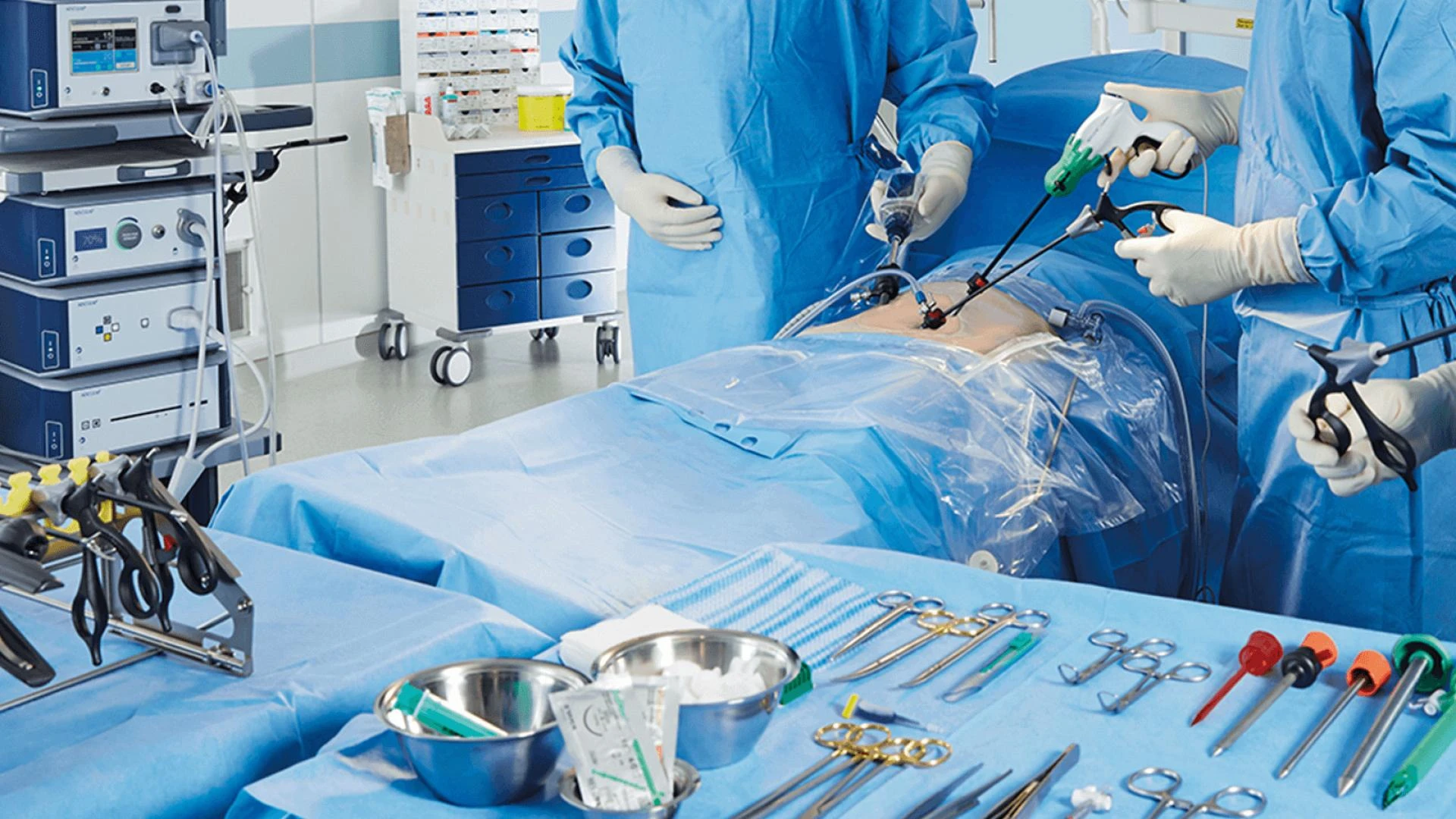
The type of procedure depends on the specific condition. For example, decompression surgery may be used to relieve pressure on nerves, while spinal fusion may be recommended when stability needs to be restored. Some patients may be candidates for minimally invasive procedures that use smaller incisions and may reduce tissue disruption.
A surgeon should explain the purpose of the recommended procedure, expected benefits, possible risks, alternatives, and recovery process before treatment is chosen.
Recognizing When Specialist Evaluation Is Important
Understanding when should you see a spine surgeon can help patients avoid delaying appropriate medical assessment. Persistent back or neck pain, pain that travels into an arm or leg, numbness, weakness, difficulty walking, or symptoms that continue despite initial treatment may require specialist evaluation.
Immediate medical attention is particularly important when severe spinal symptoms occur suddenly with significant weakness, loss of bladder or bowel control, numbness around the groin or inner thighs, or following a serious injury. These symptoms can indicate a potentially urgent neurological problem.
Choosing the Right Spine Care Team
Choosing an experienced specialist and a well-equipped healthcare facility can make the diagnostic and treatment process more organized. Patients may consider the surgeon's qualifications, experience with their particular spinal condition, diagnostic facilities, treatment options, hospital support, and approach to explaining care.
People looking for best doctors for spine surgery doctors in aligarh should focus not only on professional experience but also on whether the doctor provides an appropriate diagnosis and discusses both surgical and non-surgical options.
Why Comprehensive Hospital Support Matters
Spine treatment can involve several stages, including consultation, imaging, diagnosis, conservative management, surgery when necessary, and rehabilitation. Having these services supported within a coordinated healthcare setting can make treatment more convenient for patients and families.
renuka hospital aligarh can be considered by patients seeking access to orthopedic and spine-related medical care in the Aligarh region. A hospital with appropriate diagnostic resources, experienced medical professionals, surgical facilities, and postoperative support can help patients receive care according to their individual needs.
Supporting Recovery After Spine Treatment
Recovery depends on the spinal condition, treatment method, overall health, and adherence to medical advice. After surgery, patients may receive instructions about wound care, activity levels, medications, exercises, and follow-up visits. Rehabilitation can help restore movement, strength, and confidence while gradually returning the patient to everyday activities.
Even after symptoms improve, maintaining good posture, staying physically active, using proper lifting techniques, and following a suitable exercise program can support long-term spinal health.
Making an Informed Treatment Decision
Spinal problems should not be diagnosed solely from imaging reports or online information. A proper evaluation combines symptoms, physical examination findings, medical history, and appropriate diagnostic tests. This approach helps doctors identify the actual source of discomfort and avoid unnecessary procedures.
A qualified spine surgeon can guide patients through available treatment choices and explain when surgery is or is not appropriate. Early evaluation of persistent or concerning symptoms can also help prevent certain problems from becoming more difficult to manage. With accurate diagnosis, personalized treatment, and appropriate follow-up care, many people with spinal conditions can achieve better pain control, mobility, and quality of life.





























Sign in to leave a comment.