
When people explore vision correction, two names often stand out: LASIK and SMILE. Both are widely discussed and frequently recommended. Yet there is another option that tends to be overlooked: lasek laser eye surgery.
Despite being less talked about, LASEK continues to play an important role. In fact, it is often the procedure surgeons suggest when other options are not suitable. The reason it gets ignored is not that it is ineffective, but because it requires a different kind of patience.
Understanding the Three Procedures
Before comparing them, it helps to understand how each method works.
LASIK
LASIK creates a thin flap in the cornea, reshapes the tissue underneath, and then replaces the flap. It is known for quick recovery.
SMILE
SMILE removes a small piece of tissue from within the cornea through a tiny opening. It avoids creating a full flap.
LASEK
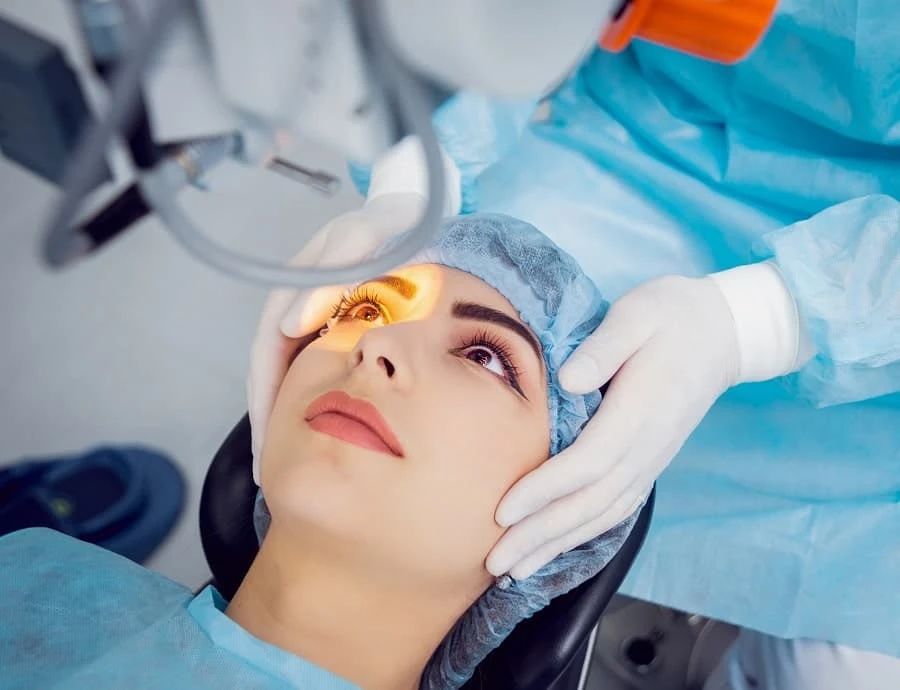
Lasek laser eye surgery works on the surface of the cornea. The outer layer is gently moved aside, the cornea is reshaped, and the layer is placed back.
Each method has its place. The choice depends on the structure of the eye rather than personal preference alone.
Why Patients Often Ignore LASEK
Most people are drawn to procedures that promise fast results. LASIK and SMILE both offer relatively quick recovery, which makes them appealing.
In contrast, LASEK laser eye surgery involves a slower healing process. Vision may take days or even weeks to stabilise, and there can be some discomfort in the early stages.
Because of this, patients sometimes overlook it, even when it may be the more suitable option.
Why Surgeons Still Recommend It
From a clinical perspective, LASEK offers advantages in certain situations.
Preserving Corneal Strength
Since no flap is created, more of the cornea remains intact. This can be important for patients with thinner corneas.
Suitability for More Patients
Some people are not suitable for LASIK or SMILE due to the shape or thickness of their cornea. In these cases, lasek laser eye surgery may still be an option.
Reduced Flap-Related Concerns
Without a flap, there is no risk linked to flap movement after surgery. This can matter for people with active lifestyles.
These reasons explain why surgeons continue to recommend lasek laser eye surgery, even when it is not the most popular choice.
Comparing Recovery and Comfort
One of the main differences between the three procedures is recovery time.
LASIK
- Clear vision often within a day or two
- Minimal discomfort
SMILE
- Slightly longer recovery than LASIK
- Mild discomfort
LASEK
- Slower recovery over several days or weeks
- Temporary discomfort during healing
Patients considering lasek laser eye surgery are usually advised to plan for this recovery period. While it takes longer, the final results can be comparable.
Visual Outcomes and Expectations
Once healing is complete, the visual results of LASEK laser eye surgery can be similar to those of LASIK and SMILE.
However, the journey to that result is different. Patients need to be patient during the early stages and follow aftercare instructions closely.
Clear communication about expectations helps ensure satisfaction with LASEK laser eye surgery.
Choosing Based on Suitability, Not Popularity
One of the biggest misconceptions is that the most popular procedure is always the right one.
In reality, the choice depends on:
- Corneal thickness
- Eye shape
- Prescription level
- Lifestyle needs
Clinics often recommend lasek laser eye surgery when it offers a safer or more stable option for a particular patient.
The Role of Detailed Assessment
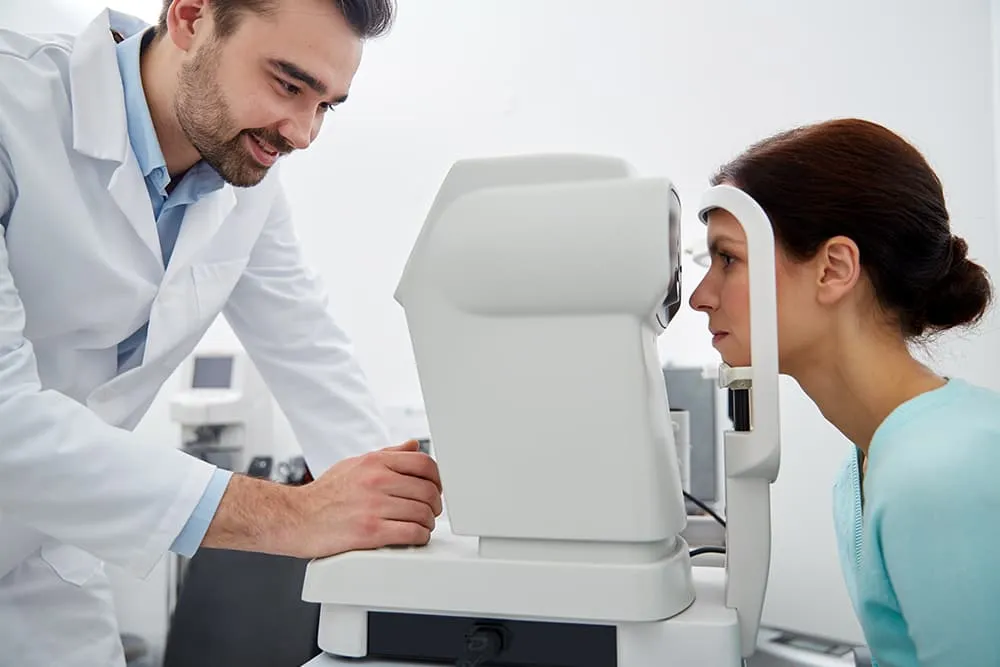
A thorough eye examination is essential before deciding on any procedure.
This may include:
- Mapping the corneal surface
- Measuring thickness
- Assessing tear film and eye health
These steps help determine whether LASIK, SMILE, or LASEK laser eye surgery is the most suitable choice.
Why the Conversation Is Changing
There is a growing shift towards more personalised care in vision correction. Instead of focusing only on speed or convenience, more attention is being given to long-term outcomes.
This shift has brought renewed attention to lasek laser eye surgery. It is no longer seen as an outdated option, but as a valuable part of a wider range of treatments.
Addressing Common Concerns
Is LASEK less effective?
No. Once healing is complete, results can be similar to other procedures.
Is recovery difficult?
It can take longer, but most patients manage well with proper guidance.
Why would a surgeon recommend it?
Because it may suit the structure of the eye better than other options.
These points help explain why lasek laser eye surgery continues to be recommended in certain cases.
Final Thoughts
LASIK and SMILE may receive more attention, but they are not the only choices available. Lasek laser eye surgery remains an important option, particularly for patients who are not suitable for other methods.
The key is not to choose based on popularity, but on what fits your eyes. With careful assessment and realistic expectations, LASEK can provide clear and lasting vision.
Taking the time to understand each option allows for a more confident and informed decision.



























Sign in to leave a comment.