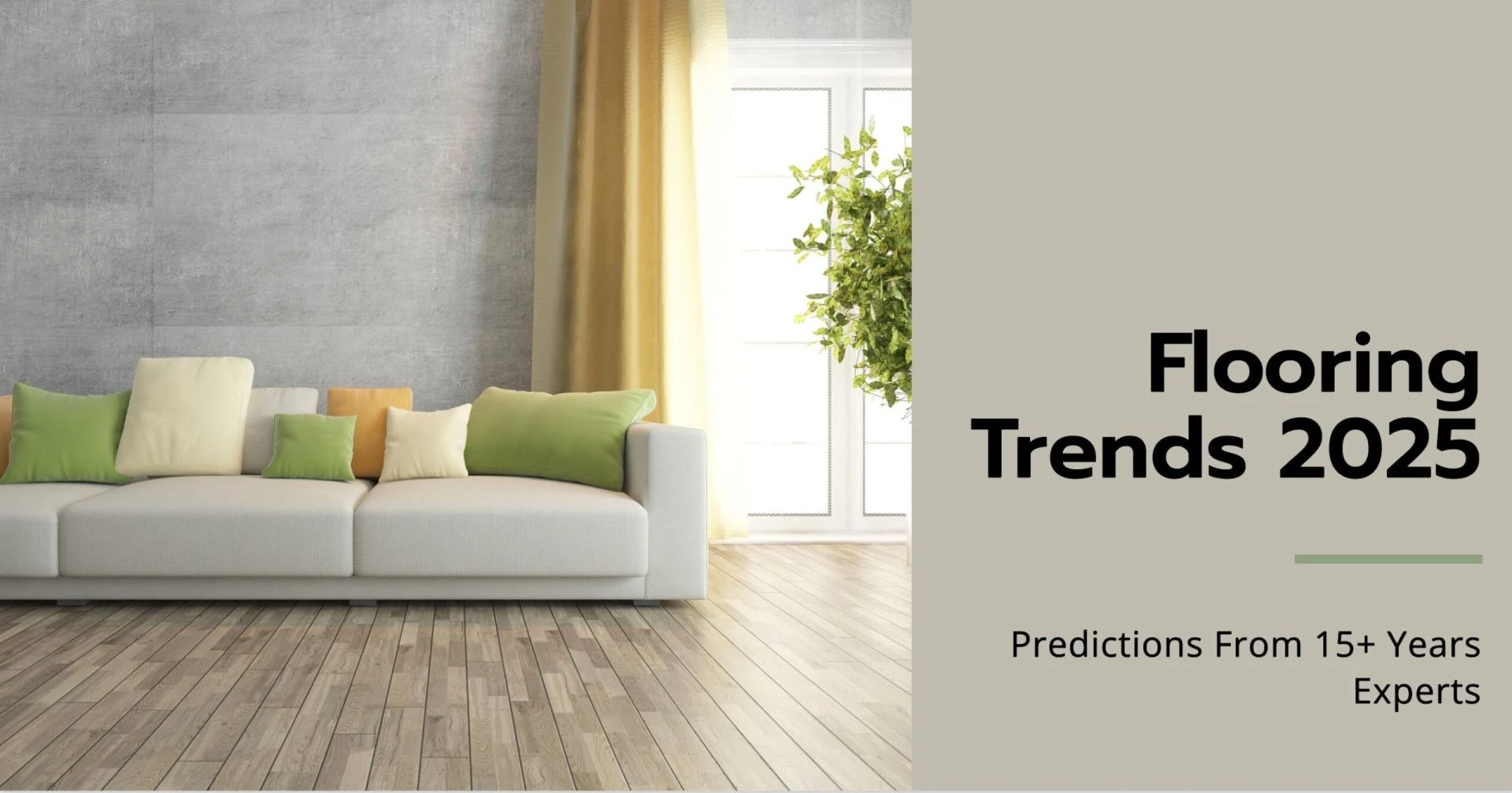

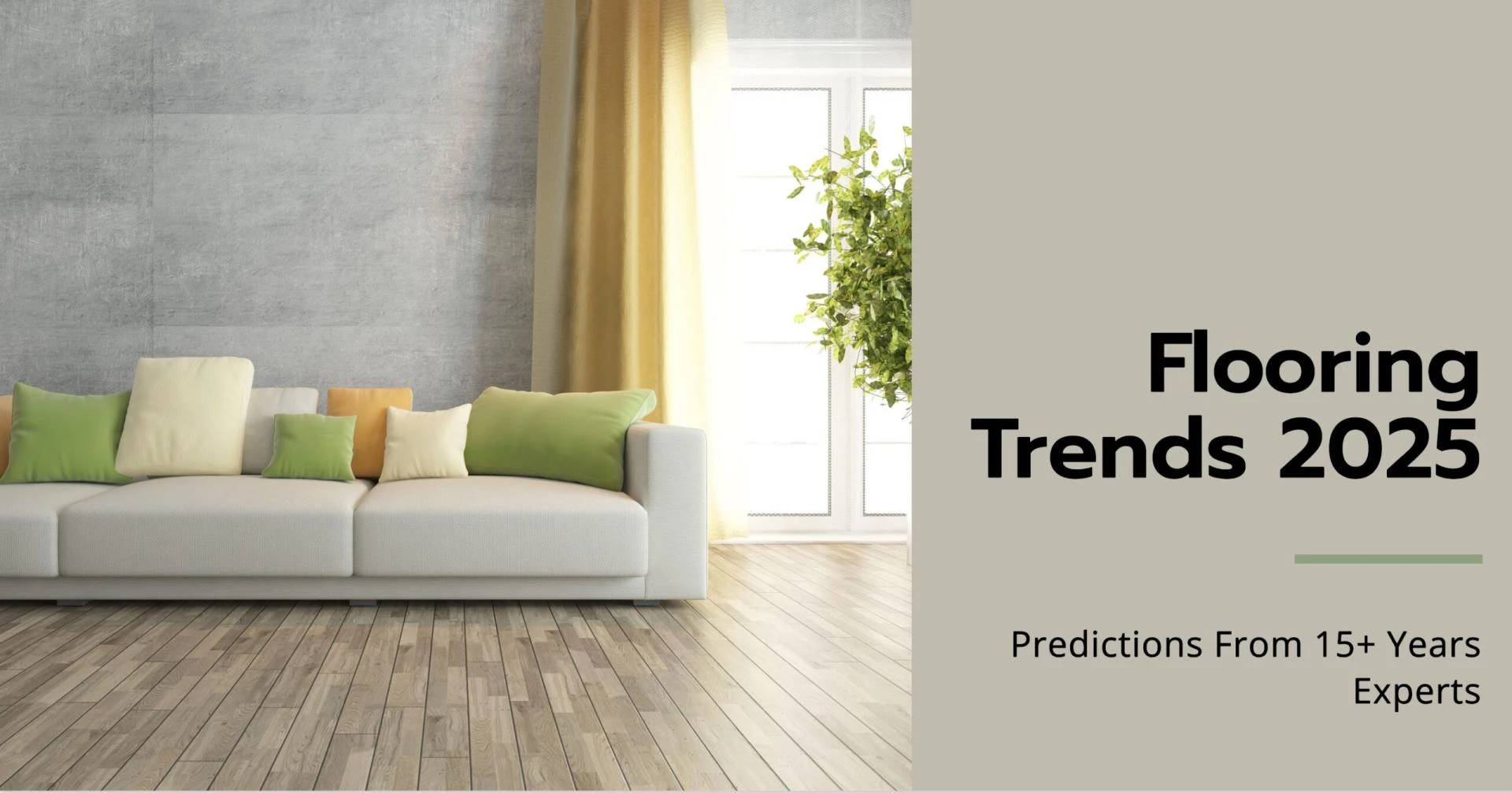
Floor carpet tiles have transformed from being a purely practical flooring solution into one of the most stylish and versatile choices in modern design. As we step into 2025, the industry is experiencing rapid innovation, with manufacturers, designers, and architects embracing new materials, eco-friendly concepts, and bold aesthetics. Whether for homes, offices, gyms, or retail spaces, carpet tiles are no longer just about covering the floor—they are now central to creating comfort, sustainability, and style.
Sustainability at the Core of Design
One of the most prominent trends shaping Floor carpet tiles in 2025 is sustainability. Consumers are increasingly aware of environmental impact, and flooring companies are responding with eco-friendly solutions. Recycled fibers, biodegradable backings, and low-VOC adhesives are becoming standard. The push for circular economy practices means that tiles can be removed, recycled, and repurposed without contributing to landfill waste. Designers are also emphasizing natural and renewable resources, making green flooring not just a responsible choice but also a fashionable one.
Bold Colors and Artistic Patterns
Minimalist grey and beige tones dominated for years, but 2025 is ushering in a new era of creativity. Homeowners and businesses are leaning toward bold colors, gradient effects, and artistic patterns. Geometric motifs, abstract designs, and even carpet tiles inspired by digital art are trending. This movement allows people to personalize their spaces and create unique visual identities. Offices are embracing vibrant tiles to energize workplaces, while luxury homes are adopting artistic designs that make a statement.
Modular Layouts for Flexible Spaces
Flexibility has become a priority in both residential and commercial interiors. Carpet tiles perfectly complement this need, offering modular layouts that can be easily adjusted. In 2025, designers are experimenting with zoned flooring concepts where different tile colors and textures define specific areas without the need for walls. For example, a living room can smoothly transition into a home office area by simply altering the carpet tile design. In offices, modularity supports hybrid work environments, allowing spaces to evolve as companies grow.
Smart Carpet Tiles and Technology Integration
Technology is playing a fascinating role in flooring. Smart carpet tiles, equipped with embedded sensors, are emerging as a futuristic trend. These tiles can monitor foot traffic, measure air quality, and even provide energy efficiency insights. In commercial settings, smart flooring helps optimize cleaning schedules and monitor employee movement for better space utilization. While still in early adoption, 2025 is seeing a rise in demand for tech-enhanced tiles that add a new layer of functionality to interior design.
Texture-Rich Surfaces for Comfort and Style
Texture is taking center stage in 2025. Beyond flat, uniform finishes, consumers are gravitating toward textured carpet tiles that offer depth and character. Cut-and-loop pile combinations, ribbed patterns, and tactile finishes bring dimension to flooring while enhancing comfort underfoot. These textures not only elevate aesthetics but also improve acoustics, making them ideal for open-plan offices, study rooms, and entertainment spaces. The tactile element creates warmth, making interiors more inviting and visually dynamic.
Hybrid Carpet Tile Solutions
The merging of different flooring categories is another trend gaining ground. Hybrid carpet tiles combine the softness of carpet with the durability of vinyl or PVC Carpet Tiles backings, offering the best of both worlds. These solutions are water-resistant, easy to clean, and perfect for high-traffic areas such as cafeterias, gyms, and retail outlets. With more emphasis on multipurpose flooring, hybrid carpet tiles are set to dominate both residential and commercial applications in 2025.
Customization and Personal Expression
Individuality is key in interior design, and carpet tile manufacturers are tapping into this demand by offering more customization options. From choosing color palettes to designing entirely bespoke patterns, customers can now play an active role in the creative process. Hotels, co-working spaces, and luxury apartments are especially adopting this trend, as customized carpet tiles allow them to reinforce brand identity and create memorable experiences. With advanced printing technology, personalization has become more accessible and affordable than ever.
Acoustic and Wellness Benefits
Wellness-oriented design is continuing to influence flooring choices in 2025. Carpet tiles are being engineered not just for aesthetics but also for health benefits. Acoustic carpet tiles are reducing noise pollution in busy workspaces, while cushioned underlayers improve ergonomics and reduce fatigue. Some tiles even incorporate antimicrobial treatments, making them suitable for healthcare facilities, gyms, and schools. As wellness becomes a priority in architectural design, flooring is playing an active role in enhancing physical and mental well-being.
Luxury and Premium Finishes
High-end interiors are increasingly turning to premium carpet tile finishes that mimic the richness of handwoven rugs or luxury broadloom carpets. Plush textures, high-density fibers, and metallic accents are elevating the perception of carpet tiles from functional to luxurious. In 2025, hotels, boutique offices, and upscale homes are using these premium tiles to make a bold design statement without sacrificing durability and ease of maintenance.
Global Inspiration and Cultural Designs
Global influences are also shaping the carpet tile industry. Designers are incorporating cultural patterns inspired by traditional weaving, heritage textiles, and ethnic art. This trend reflects the growing demand for cultural inclusivity in interior design. By fusing modern technology with global artistry, carpet tiles are becoming storytelling elements that bring depth and authenticity to spaces.
Easy Maintenance and Longevity
Durability has always been a selling point for carpet tiles, but in 2025 manufacturers are enhancing their resilience even further. Stain-resistant coatings, waterproofing technologies, and fade-resistant dyes ensure tiles stay beautiful longer. The ability to replace individual tiles instead of an entire floor remains a major advantage, especially for commercial spaces with heavy traffic. With rising consumer demand for low-maintenance solutions, manufacturers are delivering tiles that require minimal effort yet maintain a premium look.
The Future Outlook of Carpet Tiles
As we move deeper into 2025, it is clear that carpet tiles are no longer just an alternative to broadloom carpets but a category in their own right. Combining sustainability, technology, flexibility, and creativity, they are redefining the way people think about flooring. From smart innovations to bold aesthetic choices, carpet tiles are poised to remain at the forefront of modern interior design.
































Sign in to leave a comment.