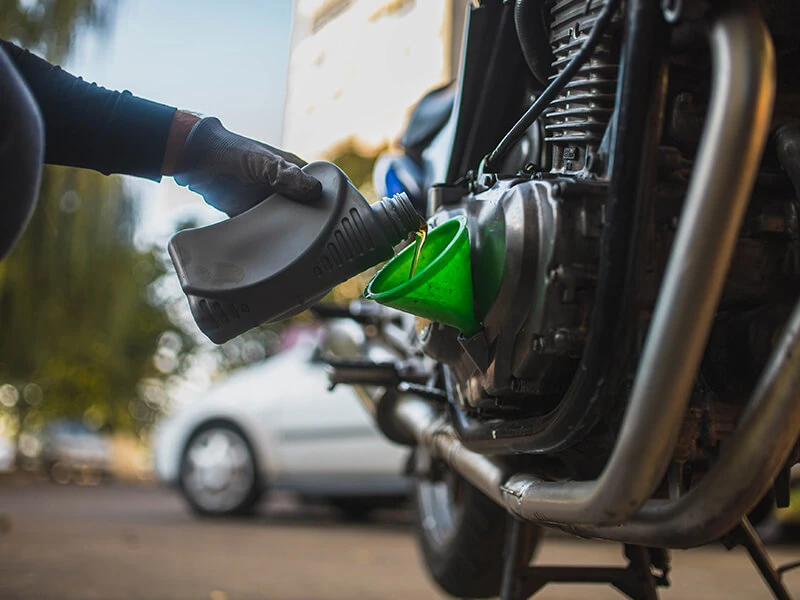

Have you ever asked yourself what keeps your bike humming even after all those years of daily commute, weekend rides, and monsoon adventures? The solution is to be found in a tiny but powerful part – engine oil. With India’s roads swarming with two-wheelers ranging from mopeds to high-performance bikes, the market for high-quality engine oils is changing at a fast pace. So what has changed in the world of two-wheeler engines? Why are bikers switching to synthetic blends from mineral oils? And how are engine oil companies responding to the expanding market?
In this article, we will discuss the latest trends that are influencing the two-wheeler engine oil in the Indian market and analyze what is driving these trends and what it means for each rider who wants his/her vehicle to perform better, last longer, and remain fuel efficient.
The Changing Dynamics of India’s Engine Oil Market
The motorcycle engine oil in the Indian market is not only growing, it’s changing. According to a recent report by Persistence Market Research, the market is forecasted to grow from USD 1.15 billion in 2024 to USD 1.49 billion by 2031 at a CAGR of 3.8%. This increase in motorcycles and scooters on Indian roads and increased consumer awareness about timely engine maintenance are the reasons behind this growth.
Whether it is a 100cc commuter in a small town or a 500cc bike in the city, you are part of a growing consumer base that is beginning to take note of what goes into their engine. And there is where two-wheeler engine oil in India is stepping up.
Why the Shift Toward High-Performance Oils?
Among the most obvious tendencies in this segment is the increasing tendency to use synthetic and semi-synthetic engine oils. It is becoming clear to riders that better quality oil will mean smoother performance, better fuel consumption, and longer life for your engine.
Differing from traditional mineral oils, synthetic oils are formulated to deal with the higher temperatures and reduce friction and increase the oil drain interval. This translates to less traveling to the mechanic and engines that are more protected especially in India’s tough riding environment.
The keyword here is performance. Indian riders today do not just need their bikes to run; they want them to operate properly. This increasing need is creating a continuous rise in demand for premium oil segments.
Changing Two-wheeler Demographics
The Indian two-wheeler market has become diversified. It is no longer an old man’s possession; it is no longer dominated by low-cc commuter bikes. The trend in increased popularity of sports bikes, cruisers, and premium motorcycles (above 250cc) has also changed the demand for two-wheeler engine oil. Such bikes need oils that can maintain high performance without losing their structure to pressure.
As a result, brands are now coming up with specialized oils that suit different engines. Therefore, whether it’s a 100cc Hero Splendor or a 650cc Royal Enfield Interceptor, there’s an engine oil that will keep it running at its best.
The EV Challenge: Is the Market in Trouble?
With the increasing popularity of electric two-wheelers, many question whether the two-wheeler engine oil market is in danger. Although EVs do not need engine oil, the share of electric two-wheelers on the market is still pretty small.
Also, ICE (Internal Combustion Engine) bikes are likely to be the majority for the next decade, especially in rural and semi-urban areas where EV infrastructure is lacking. So for now, makers of engine oils are not too concerned. In fact, they are using this time to be more innovative.
Innovations in Viscosity and Formulation
Another interesting trend is a change in viscosity grades. Engine oils such as 10W-30, 20W-40, and 15W-50 are being redesigned for the need for new engines and altered environmental standards.
Currently, oils are provided with advanced additives that not only ensure the reduction of wear and tear but also help in cold start performance and fuel efficiency. These innovations are not simply technical improvements, they are becoming key to bikes that are designed to meet the BS-VI emission standards.
Distribution Channels: Beyond the Workshop
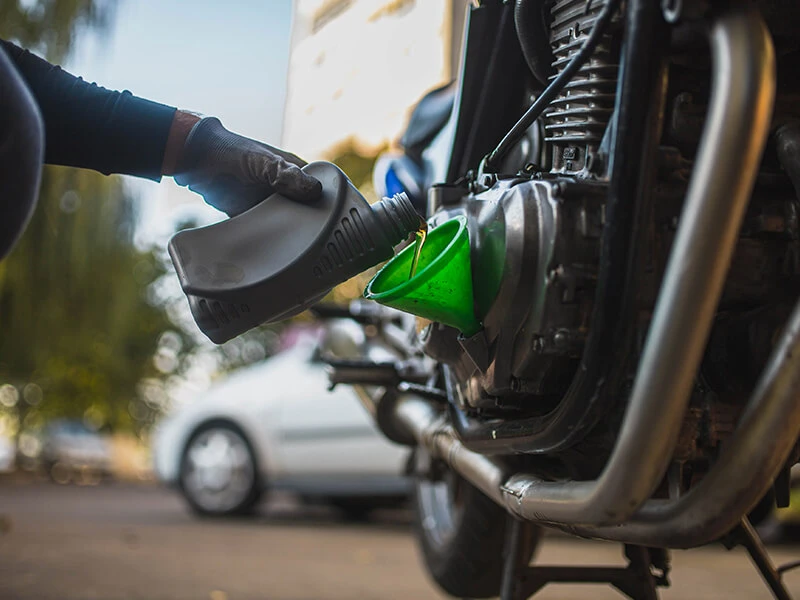
Even the way people purchase two-wheeler engine oil is changing too. In the past, most of the sales occurred in service centers and workshops. Nowadays, engine oils are being collected by riders from online platforms, branded stores, petrol pumps, and even in supermarkets.
Engine oil firms are also concentrating on factory-filled lubricants that are pre-filled in new bikes and providing an upper hand in the customer journey from the very beginning. This shift in approach to the distribution strategy is making oils more available and building brand loyalty.
What This Means for You
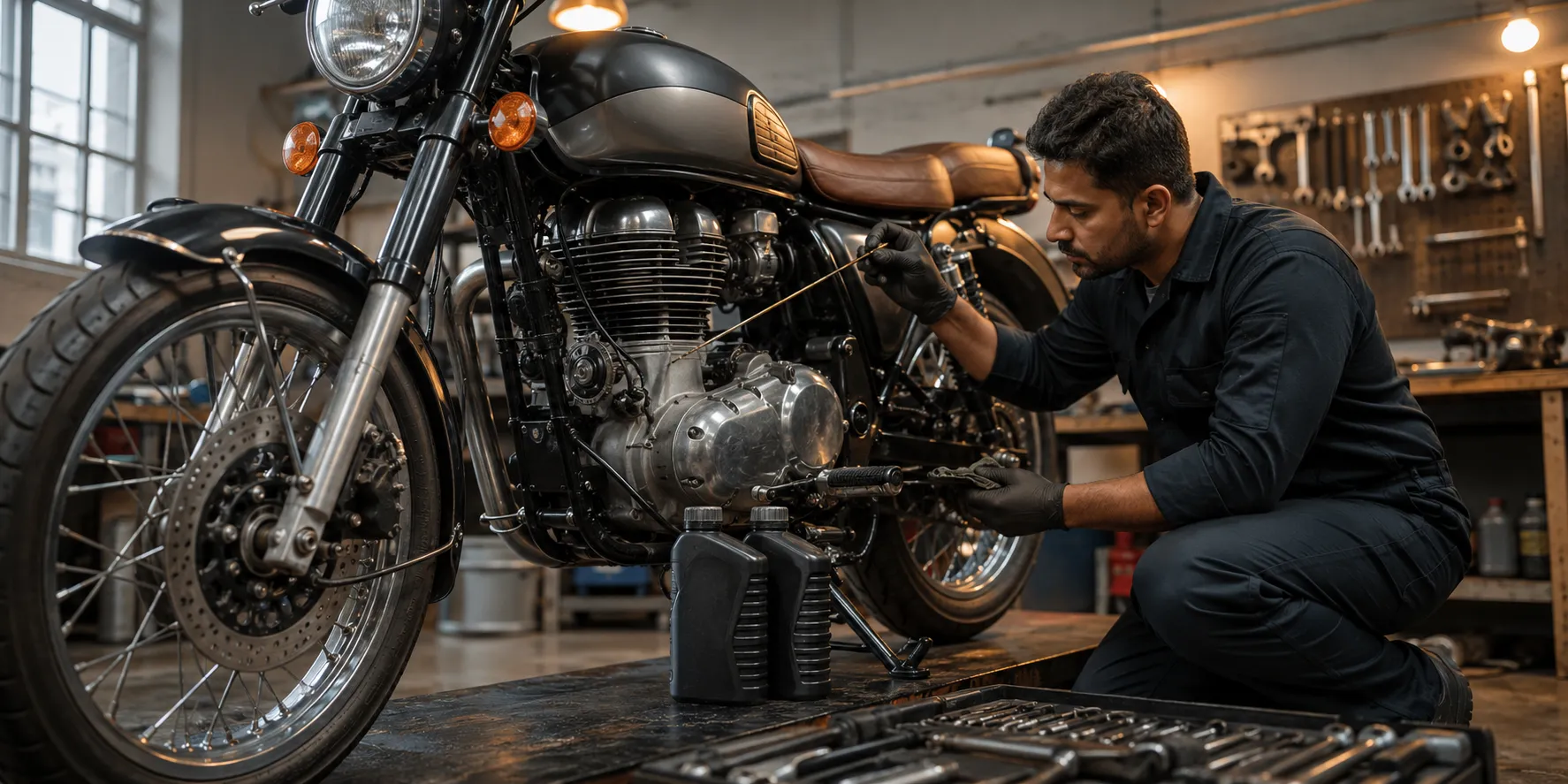
If you have a bike, this is an excellent time to consider your engine oil options again. Don’t rush and pick the cheapest option next time you need a service. Look at the viscosity grade, is it synthetic or mineral, does it suit your riding style and climate conditions?
In light of the changed environment, being informed can save you money in the long term – not only in maintenance but also in fuel and the life of the engine.
Conclusion
The two-wheeler engine oil market in India is on a stable, innovation-driven growth. Every aspect of this segment is changing starting from advanced formulations to smarter buying options, and awareness. The power to maintain your engine healthy is in your hands as a rider; knowing these trends will keep you in the game.































Sign in to leave a comment.