

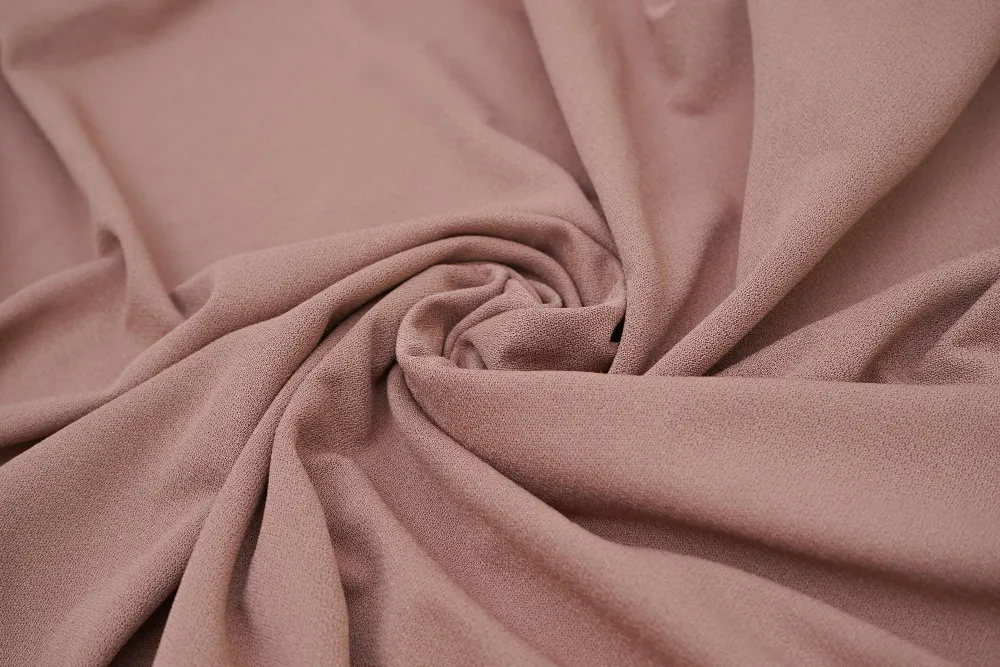
Viscose fabric has been around for over a century, but it's having a serious moment right now. From fast-fashion staples to high-end luxury blends, viscose is showing up everywhere—and for good reason. It's breathable, affordable, and remarkably versatile. As sustainability becomes a bigger priority across global supply chains, viscose is also evolving in ways that make it more relevant than ever.
This post covers where viscose stands today, what's driving its resurgence, and where the fabric is headed over the next decade.
A Quick History of Viscose Fabric
Viscose—also called rayon—was developed in the late 19th century as a more affordable alternative to silk. It's made from cellulose, typically sourced from wood pulp, which is processed into a soft, lightweight fiber. By the mid-20th century, it had become a staple of the global textile industry.
For a long time, viscose sat in an awkward middle ground: not as durable as cotton, not as luxurious as silk, and not as easy to produce sustainably as some consumers would like. That perception is changing fast.
Why Viscose Is Gaining Ground Again
Comfort is a big driver. Viscose drapes well, feels soft against the skin, and absorbs moisture effectively. Compared to polyester, it breathes far better. Compared to cotton, it tends to have a silkier drape and a lighter hand feel. For warmer climates and transitional-season dressing, those qualities matter.
Versatility is the other factor. Viscose works across price points, from budget-friendly everyday wear to premium fabric blends. That range makes it attractive to manufacturers, retailers, and consumers alike.
Brands and fabric suppliers—including companies like Fabriclore Pvt Ltd, one of India's leading fabric suppliers offering both local and online options—have expanded their viscose offerings significantly in recent years to meet growing demand.
Sustainable Innovations Changing Viscose Production
Conventional viscose production has real environmental drawbacks. It relies on chemical-heavy processes that can release harmful byproducts if not managed properly. That's why closed-loop manufacturing methods and eco-certified fibers are gaining traction.
Lenzing ECOVERO™ is one of the most well-known sustainable viscose fibers on the market. Produced using a closed-loop system that recaptures and reuses chemicals during production, it generates significantly lower emissions and water impact than standard viscose. Lenzing reports that ECOVERO™ fibers produce up to 50% lower emissions and water impact compared to generic viscose.
Other producers are following suit, investing in cleaner production methods and sourcing wood pulp from responsibly managed forests certified by organizations like the Forest Stewardship Council (FSC).
The result? Viscose fabric is becoming a more credible choice for brands committed to reducing their environmental footprint—without sacrificing the fabric's signature qualities.
Key Trends in How Viscose Fabric Is Being Used
Apparel: From Everyday Basics to Luxury Blends
Viscose fabric is a go-to for everyday apparel. Dresses, blouses, and skirts made from viscose are widely available across all market segments. The fabric's natural drape and breathability make it especially popular in warm-weather collections.
Activewear is a newer frontier. While viscose isn't traditionally associated with performance wear, its moisture-wicking properties make it a functional choice for low-impact activity and athleisure. Blended with elastane or bamboo fibers, viscose activewear holds shape while keeping the wearer comfortable.
At the luxury end, viscose blends with silk and cashmere are gaining attention. These blends retain a premium feel while bringing down cost, making high-end aesthetics more accessible.
Home Textiles: Bedding, Drapery, and Beyond
Viscose has a strong foothold in home textiles. Its softness makes it a natural fit for bedding—viscose-blended sheets and pillowcases have a smooth, breathable feel that's popular with consumers looking for an affordable alternative to pure silk or high-thread-count cotton.
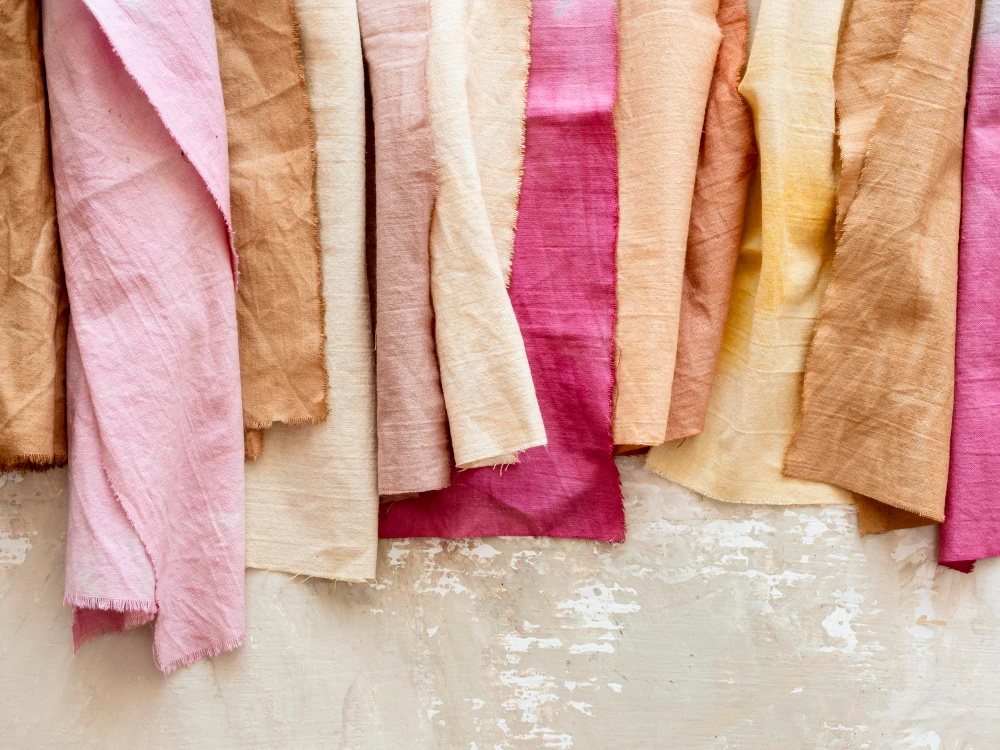
Drapery and upholstery are also growing areas. Viscose handles dye well, producing rich, vibrant colors that hold up in decorative applications. For brands looking to offer affordable, visually striking home goods, viscose fabric is a practical choice.
Non-Woven Applications: Wipes and Medical Textiles
Beyond fashion and home goods, viscose plays a significant role in non-woven textiles. It's widely used in wet wipes, personal care products, and medical textiles like wound dressings. Its absorbency and soft texture make it well-suited to applications where skin contact matters.
Regional Trends and Market Growth
Asia-Pacific: The Production Powerhouse
Asia-Pacific dominates global viscose production and consumption. China and India are the largest producers, accounting for the majority of global viscose fiber output. India, in particular, has seen strong growth in viscose fabric manufacturing, with suppliers like Fabriclore Pvt Ltd making it easier than ever to buy fabric online in bulk or small quantities.
Europe and North America: Sustainability-Driven Demand
In Europe and North America, demand for sustainable viscose options is growing quickly. Consumers in these markets are increasingly scrutinizing supply chains and seeking out fabrics with credible environmental certifications. This has pushed retailers to source eco-certified viscose and communicate that to buyers.
Emerging Markets: Growing Adoption
In markets across Southeast Asia, Africa, and Latin America, viscose is gaining ground as local textile industries expand. As disposable incomes rise and fashion consumption increases, viscose offers an accessible, high-quality option for both local production and export.
Challenges Facing the Viscose Industry
Viscose's growth doesn't come without friction.
Supply chain volatility is a real concern. Wood pulp prices fluctuate, and disruptions in raw material supply can ripple through to finished fabric costs. Brands relying heavily on viscose fabric wholesale sourcing need reliable supplier relationships to manage this risk.
Price volatility makes long-term planning harder, especially for smaller manufacturers and retailers.
Consumer perception remains a challenge in some markets. Many buyers don't fully understand what viscose is or how it's made. Clearing up misconceptions—particularly around sustainability—is an ongoing effort for the industry.
What's Next for Viscose Fabric?
The outlook for viscose is positive, but the path forward depends on continued investment in sustainable production and clearer communication with consumers.
Technological advancements are already improving the fiber. New processing methods are reducing chemical use and improving fiber strength, making viscose more durable and more competitive with synthetic alternatives.
Fiber blends are expanding what viscose can do. Combinations with bamboo, modal, and recycled fibers are opening new applications and performance characteristics.
Sustainability mandates from major fashion brands and retailers will continue to push the industry toward cleaner production. Suppliers that can offer certified, traceable viscose fabric will be in a strong position.
Over the next 5–10 years, expect viscose to grow its share of the global textile market—particularly in sustainable fashion, home textiles, and technical applications.
The Bottom Line on Viscose Fabric
Viscose has earned its place as one of the most widely used fabrics in the world, and it's not slowing down. Sustainable production methods are addressing its historic environmental concerns. New applications are expanding its market. And growing demand across Asia-Pacific, Europe, and emerging markets is keeping production investment strong.
For buyers looking to buy fabric online—whether sourcing viscose fabric wholesale for manufacturing or purchasing smaller quantities for design—options have never been better. Trusted suppliers like Fabriclore Pvt Ltd offer an accessible entry point for businesses of all sizes looking to tap into the viscose market.
Viscose isn't just a fabric of the past. It's shaping what comes next in global textiles.
Frequently Asked Questions
What is viscose fabric made from?
Viscose is made from cellulose, usually derived from wood pulp. The pulp is chemically processed into a soft, lightweight fiber. Because it comes from plant-based sources, viscose is considered semi-synthetic.
Is viscose fabric sustainable?
Standard viscose production can be chemically intensive. However, newer closed-loop production methods and certified fibers like Lenzing ECOVERO™ significantly reduce environmental impact. Look for FSC-certified or eco-labeled viscose when sustainability is a priority.
What are the benefits of viscose fabric over cotton or polyester?
Viscose drapes better than cotton and breathes more effectively than polyester. It's also highly absorbent and accepts dye well, resulting in vibrant colors. The tradeoff is that it can be less durable when wet compared to cotton.
Where can I buy viscose fabric wholesale?
Viscose fabric wholesale is widely available through textile suppliers in India, China, and Southeast Asia. Online platforms, including those offered by suppliers like Fabriclore Pvt Ltd, allow buyers to browse and purchase fabric in various quantities directly online.
What are the most common uses of viscose fabric?
Viscose is used across apparel (dresses, blouses, activewear), home textiles (bedding, drapery), and non-woven products (wipes, medical textiles). Its versatility makes it one of the most widely applied fabrics in the global textile industry.
How is viscose fabric expected to change in the next decade?
Cleaner production processes, improved fiber blends, and stronger sustainability certifications are expected to shape the future of viscose. Demand from both fashion and technical textile sectors is projected to grow, particularly in Asia-Pacific and sustainable fashion markets.























Sign in to leave a comment.