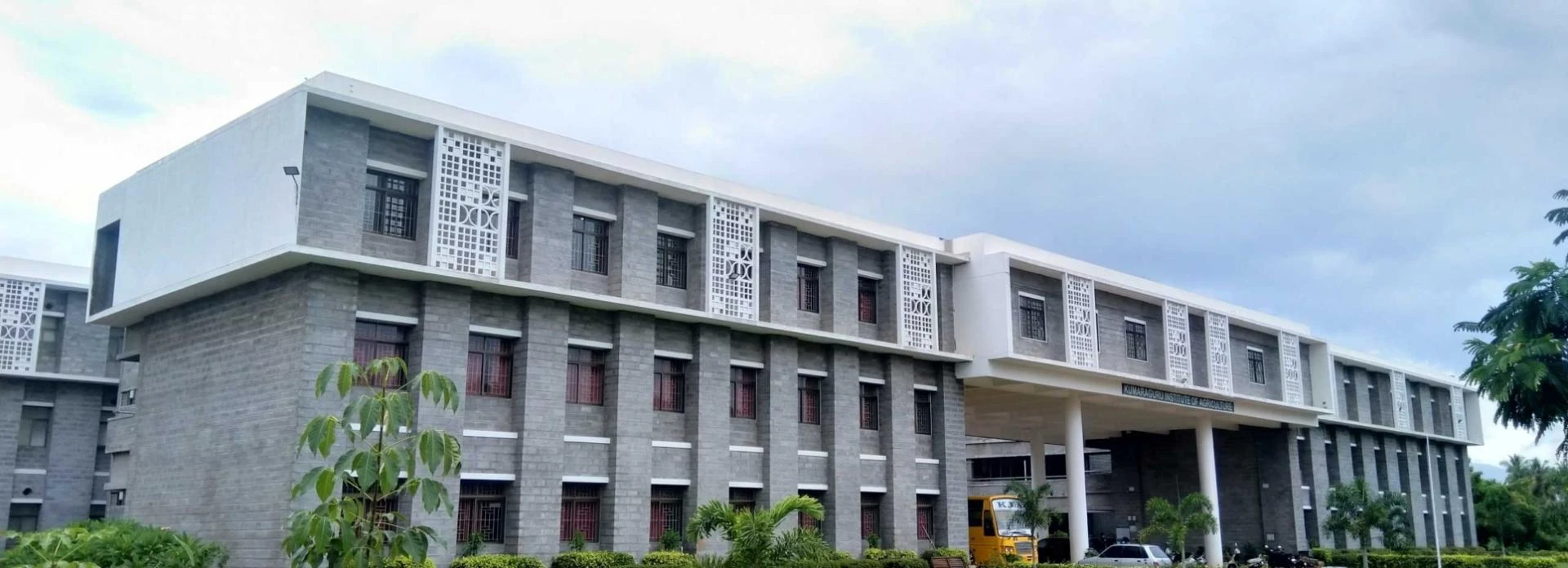
In the rapidly evolving landscape of modern farming, theoretical knowledge alone is no longer enough. To succeed, students need an ecosystem that bridges the gap between the classroom and the field. Located in the agriculturally rich Erode district, the Kumaraguru Institute of Agriculture (KIA) has emerged as a top-tier destination for those seeking a BSc Agriculture course with a heavy emphasis on hands-on experience.
Here is why KIA is recognized as a leader for practical learning in Tamil Nadu.
1. A Massive 131-Acre "Live Laboratory"
While many BSc hons agriculture colleges are limited by space, KIA boasts 131 acres of diverse farmland. This isn't just open space; it is a meticulously managed training ground featuring:
- South Farm (18.00 ha): Dedicated to field practicals and instructional units like crop cafeterias.
- North Farm (24.0 ha): Divided into six blocks cultivating a wide variety of horticultural crops, including mango, banana, and pomegranate.
- Agribusiness Models: The campus hosts over 20 active agribusiness models, allowing students to see the commercial side of farming in real-time.
2. Specialized Departments and Advanced Labs
KIA’s curriculum is supported by 18 specialized laboratories designed to give students technical mastery over BSc agriculture subjects.
- Crop Protection Management: Students get hands-on training in identifying and managing pests and diseases using modern scientific equipment.
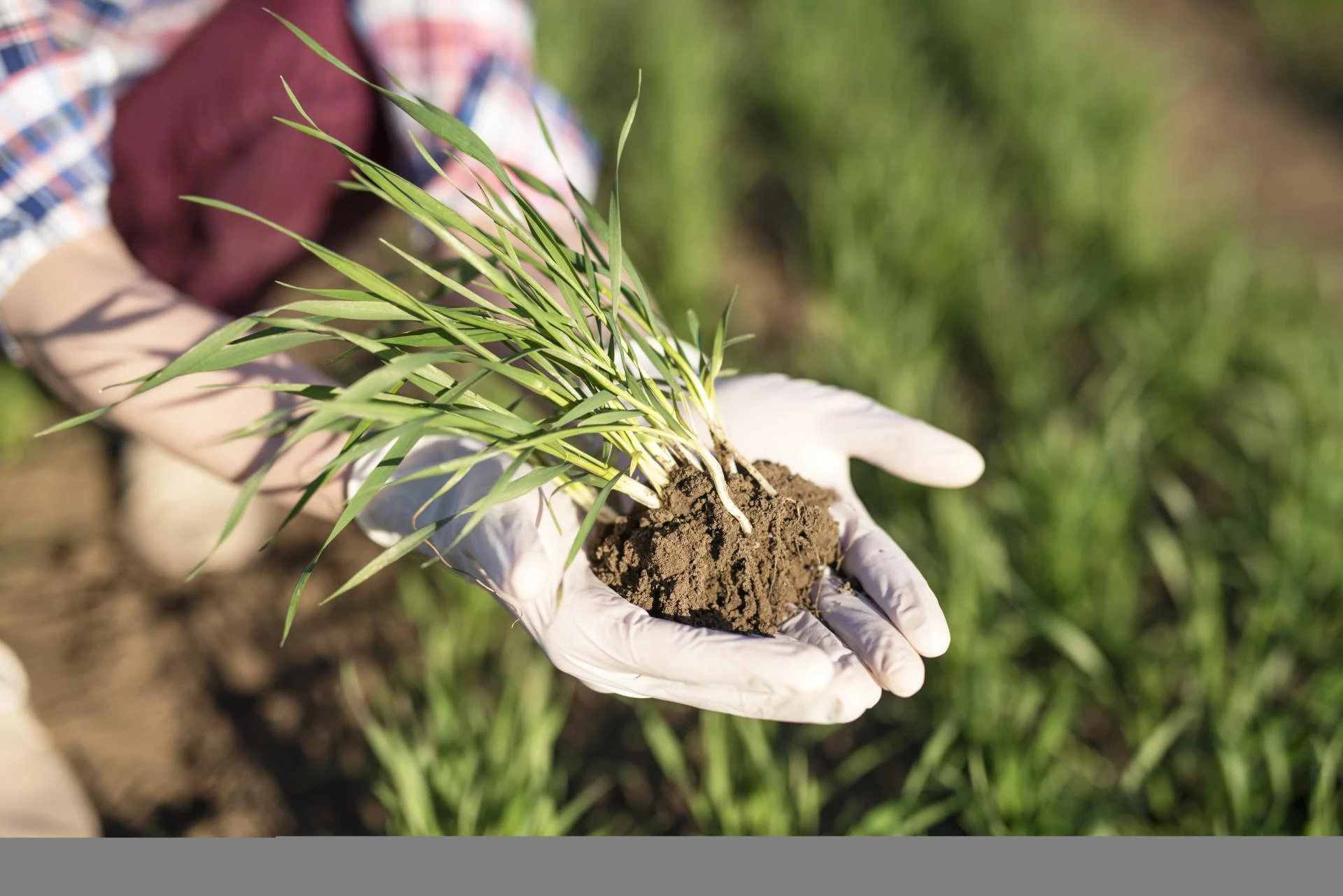
- Soil Science & Agricultural Chemistry: Practical training includes soil sample collection, taxonomic classification, and fertility estimation to help students frame land utilization policies.
- Agricultural Engineering: Students aren't just reading about machinery; they are trained to operate and maintain tractors, implements, and irrigation systems like drip and solar-powered pumps.
3. Real-World Student Projects & Income Generation
One of the most unique aspects of the BSc hons agriculture courses at KIA is the "Crop Production" practical. Students are often allotted specific land areas (such as 5.0 cents) where they must manage the entire crop cycle—from seedbed preparation and nutrient management to harvesting and marketing.
- Financial Literacy: Students work out the economics of their own cultivation, calculating cost, gross returns, and net profit.
- Exposure: Field visits to various cropping systems and cattle fairs (like the Kongu Nattu Kalandai Thiruvizha) expose students to different breeds and real-world market situations.
4. Integration of Technology and Sustainability
As a forward-thinking agriculture institute, KIA integrates "Agriculture 4.0" into its agricultural science courses.
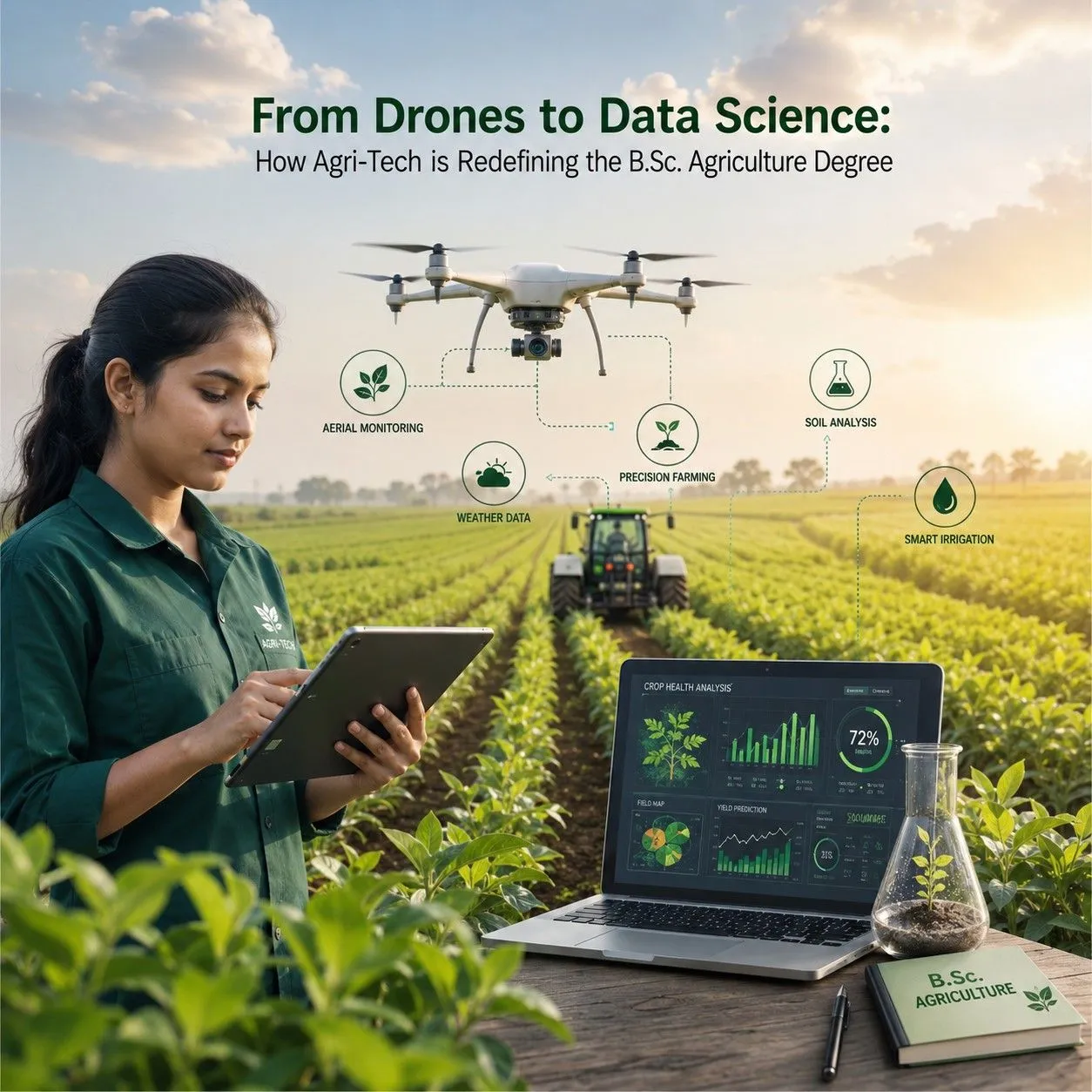
- Modern Tools: Training covers the use of drones, IoT, and Big Data in farm management.
- Sustainability: Students gain practical skills in organic farming, vermicomposting, and biodiversity assessment using indices like Shannon and Simpson.
5. Guidance from Expert Scientists
Practical learning is only as good as the mentors providing it. At Kumaraguru Institute of Agriculture (KIA), students are trained by over 30 scientists, most of whom hold Ph.Ds. This ensures that when students are "wetting their feet in the wetlands," they are backed by the highest level of academic and research expertise.
Conclusion For students pursuing BSc agriculture courses after 12th, KIA offers more than just a degree. It offers a professional immersion into the science, technology, and entrepreneurship of farming. By combining high-tech labs with expansive field training, KIA ensures that every graduate is industry-ready and capable of leading the global agricultural market.






















Sign in to leave a comment.